REVIEW · CENTRAL SLOVENIA
Goriška Brda: Wine Walk and Tasting
Book on GetYourGuide →Operated by Pintar Wine & Guest Estate · Bookable on GetYourGuide
Two hours, five wines, and Brda’s vineyard wisdom. At Pintar Wine & Guest Estate in Goriška Brda, I liked two things right away: the hands-on vineyard walk led by owner/winemaking expert Sacha, and the fact that your tasting is serious and structured with five Estate wines (Merlot, Cabernet Sauvignon, Chardonnay, Malvasia, and Rebula) plus a platter of local cold cuts and cheese. You also get the practical story behind the taste—how the area’s Alpine and Mediterranean interplay affects soil and ripening, and how the terrain shapes what ends up in the glass.
One thing to plan for: transportation isn’t included, and the walking portion means you’ll want comfortable shoes and a bit of stamina for vineyard paths.
In This Review
- Key things that make this wine walk worth your time
- Getting to Pintar Wine & Guest Estate: start in Brestje
- Your guided start: vine life cycle, vineyard tasks, and the local mindset
- The vineyard walk: why Alpine–Mediterranean conditions change the grape
- Cellar time at the winery: learning winemaking tasks without the fluff
- Wine tasting from the viewpoint: five Estate wines plus local food
- The value question: is $47 a good deal for two hours?
- What to bring and how to get the most out of it
- Who this wine walk is best for (and who should skip it)
- Should you book the Goriška Brda Wine Walk at Pintar?
- FAQ
- Where does the tour meet?
- How long is the experience?
- What’s included in the price?
- Do I need to bring anything?
- What wines will you taste?
- Is transportation provided?
- Can I request dietary changes?
- Do they offer tastings of wines-in-the-making?
- What languages are available?
- Is the tour wheelchair-friendly?
Key things that make this wine walk worth your time
- Private guidance from Sacha means you get real answers, not a scripted slideshow
- Five Estate wines are paired with local bites, so you taste as you learn
- Vineyard life cycle and daily work help you connect what you see to what you drink
- Soils and relief influenced by climate explain why Brda tastes like Brda
- Cellar visit with potential in-season tastings makes winemaking feel hands-on
Getting to Pintar Wine & Guest Estate: start in Brestje
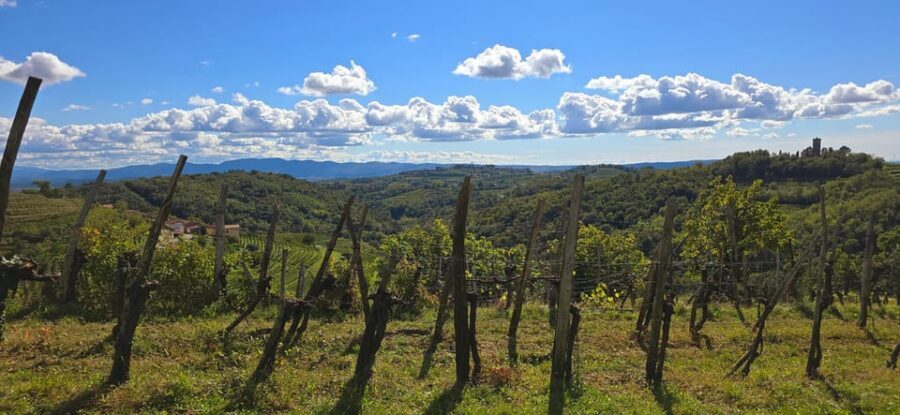
Your experience begins at Brestje 12a, the meeting point for this 2-hour visit. The estate is set up so you can drive in easily, and parking is free on site. If you’re building a day around wine in Central Slovenia, this format is handy because it’s short, focused, and doesn’t require a full afternoon commitment.
Also note the pacing. This is not a long bus-and-wait production. You’re walking with your guide, visiting the winery/cellar, and then tasting from a viewpoint. That rhythm matters: you get movement, context, and then a guided tasting while the wine education is still fresh in your head.
You can also read our reviews of more tours and experiences in Central Slovenia.
Your guided start: vine life cycle, vineyard tasks, and the local mindset
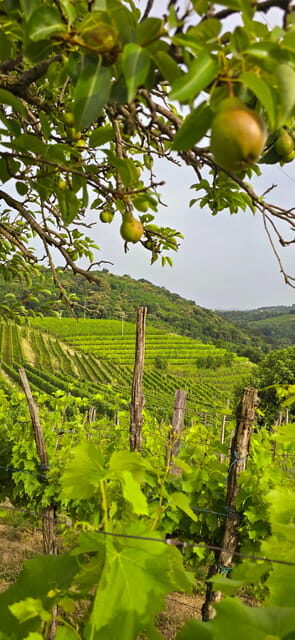
The tour kicks off with a guided walk through the vines. Expect around 30 minutes of walking with scenic views along the way, then you move from the rows to the working parts of the estate. This is where you learn how Brda’s growers think day-to-day—what’s happening in the vineyard, why it matters, and how choices lead to wine character later.
Sacha’s role is key here. In the best moments of the tour, you’re not just hearing about grapes—you’re getting the logic behind the work. You’ll talk through the life cycle of the vine and the vineyard practices that support healthy growth and consistent fruit. That kind of explanation changes the tasting. Instead of thinking, It’s just another set of wines, you start noticing how viticulture shows up as flavor and structure.
You’ll also get a sense of how Brda fits its own everyday life into the rhythm of the land. The tour includes insights into Brda’s history and life, and it’s presented in a way that stays tied to what you’re standing in. That’s more useful than hearing broad regional history with no connection to the vines.
The vineyard walk: why Alpine–Mediterranean conditions change the grape
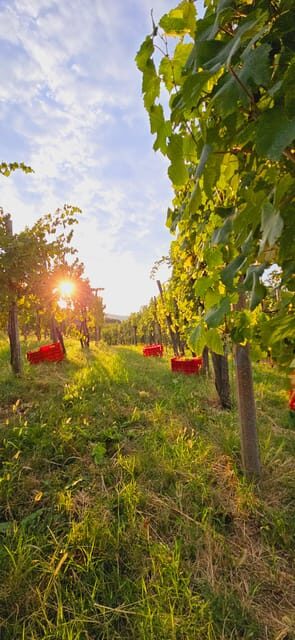
During the walk, you’ll learn how the region’s conditions come from the interplay of Alpine and Mediterranean climates. The tour explains how that combo influences soil conditions and how the sunny location and unique relief help grapes reach quality. Even if you’re not a technical wine person, this part is surprisingly practical.
Here’s why: when you understand that growers are working with a specific mix of weather, terrain, and soils, the tasting becomes more than a flavor check. You start asking better questions. Why does one wine feel crisp and lean while another tastes broader? Why might acidity or aroma behave differently from bottle to bottle? The tour gives you a framework so you can listen to your glass.
You’ll also walk through multiple vineyards with different grape varieties—your tour mentions vineyard coverage with about 9,000 vines across varied plantings. The idea is simple: you see that wine doesn’t come from one magic recipe. It comes from managing different varieties across real ground conditions.
Cellar time at the winery: learning winemaking tasks without the fluff
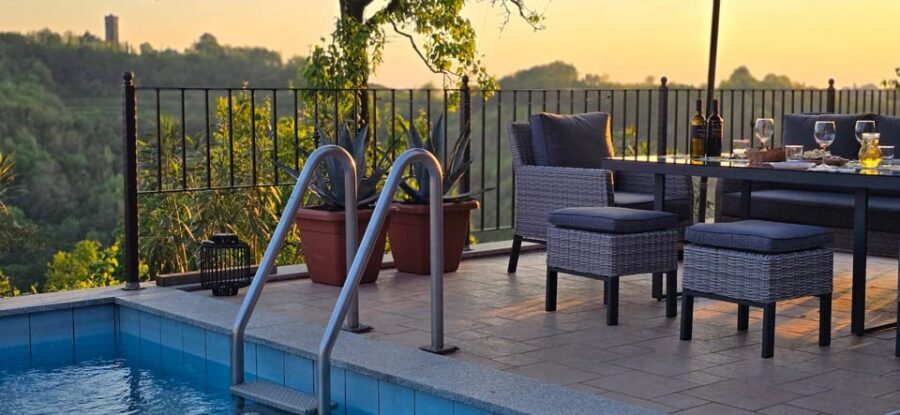
Next comes the winery visit, about 30 minutes. This is where the tour shifts from vineyard to cellar—how grapes become wine. You’ll learn about winemaking tasks, and the tone stays grounded. It’s not abstract. It’s the step-by-step of what happens after harvest and what the cellar team watches for as wine develops.
One detail that can make this stop extra fun is the mention of in-season opportunities to taste wines in-the-making. If that’s available during your visit, it adds a rare perspective: you taste something that hasn’t finished its journey to the final bottle. Even if it’s not offered every day, the tour sets expectations for how it could work when the timing lines up.
The cellar portion also pairs well with the vineyard portion you already did. You’re not learning in separate chapters. You’ll notice how the guide keeps connecting upstream decisions (vine and site) to downstream choices (what the cellar needs to do).
Wine tasting from the viewpoint: five Estate wines plus local food
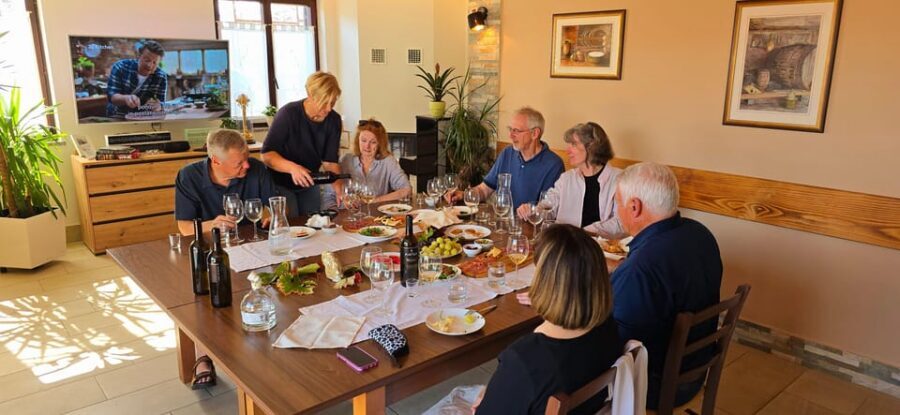
The tasting portion is the longest stop on the visit—about one hour—and it happens at a viewpoint. That location choice isn’t just for photos. Sitting where you can see the area helps you remember that you’re tasting a place, not a product off a shelf.
The tasting itself is built around five Estate-produced wines:
- Merlot
- Cabernet Sauvignon
- Chardonnay
- Malvasia
- Rebula
Each wine is paired with a platter of local delicacies—cold cuts and cheese. This is a smart setup for two reasons. First, food gives you a way to reset your palate between pours. Second, it slows you down so you taste with attention instead of rushing through the flight.
The guide also shares practical insights as you taste, including how Brda’s terrain and climate help shape the grapes. I like tasting formats where the explanation happens right alongside the wine. It keeps you from trying to remember technical points later when the glass is already empty.
You may also notice small surprises during the experience. The tour includes the idea that you might get a delightful extra at some point, like a gentle finishing note after your first sip to last. Those little touches can turn a standard tasting into something more personal.
The value question: is $47 a good deal for two hours?
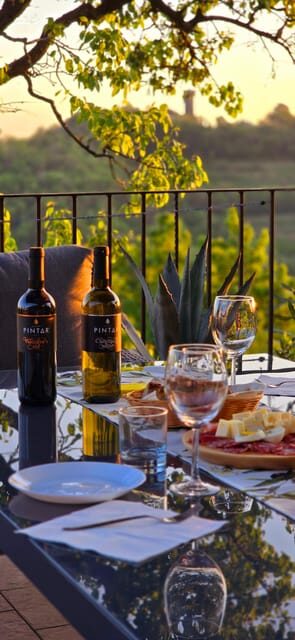
At $47 per person for about two hours, the value is strongest if you care about learning while you drink. You’re not just paying for wine. You’re paying for guided vineyard time, a cellar visit, five tastings, and a local food platter—delivered by the estate’s owner/winemaking expert.
The “private group” element also matters. In a small group, it’s easier to ask questions and get explanations that fit your pace. If you’ve ever done tours where you’re stuck listening while others sprint ahead, this format feels more human.
Also, the skip-the-line idea through a separate entrance saves time and keeps the day smooth, especially if you’re pairing this stop with other plans.
If you’re only in it for the cheapest glass of wine possible, this might not be your best match. But if you want context—how vineyard life cycle and daily tasks show up in your tasting—this is priced like an educational, hosted experience.
What to bring and how to get the most out of it
This tour is built around walking and outdoor viewing, so pack for comfort. Bring comfortable shoes first. The routes run through vineyard areas, and you’ll be happiest if your feet can handle uneven ground.
Add a hat and sunscreen. Even when the tour isn’t long, the vineyard walk and viewpoint stop are exposed. Then wear weather-appropriate clothing, since Slovenia weather can shift quickly.
One more practical tip: if you have dietary restrictions, tell the team when you book and again at the tasting. The tour notes that dietary requirements can be handled when advised, and that’s the kind of detail that makes the experience feel thoughtful rather than stressful.
Who this wine walk is best for (and who should skip it)
This tour fits best if you want to connect vineyard work to wine in a way that’s clear, not intimidating. It’s also a good choice if you enjoy local pairing—cold cuts and cheese—served with a guided explanation rather than tossed at you as an afterthought.
It’s also ideal for couples and small groups who want a conversation with the winemaking team. The experience is explicitly private, and the tone from the on-site hosts is built around personal attention.
If you have mobility limitations, this one may not work. It’s not suitable for wheelchair users, and it’s also listed as not suitable for people with mobility impairments and pregnant women. The walk and the vineyard environment are part of the experience, so plan accordingly.
Should you book the Goriška Brda Wine Walk at Pintar?
I’d book it if you want a short, well-paced wine experience that teaches you while you taste. The standout strength here is the pairing of a vineyard walk + cellar visit + structured tasting led by owner/winemaking expert Sacha, with five Estate wines and local bites that keep your palate busy and interested.
I’d skip or rethink it if you don’t drive to the meeting point and you don’t have an easy way to get to Brestje 12a, or if you need a fully non-walking, fully accessible format. Also, if you only want a casual drink with no interest in why the wines taste the way they do, you might find the guided structure less enjoyable.
If you’re the kind of person who likes learning one good thing and then tasting it right away, this is a smart use of your time in Goriška Brda.
FAQ
Where does the tour meet?
You meet at Brestje 12a. The estate says it is easy to access by car, and the guide greets you personally on arrival.
How long is the experience?
The duration is listed as 2 hours.
What’s included in the price?
The included items are a guided vineyard tour, introduction to winegrowing tasks and winemaking process, a guided tasting of five Estate wines, and a platter of local delicacies (cold cuts and cheese). Transportation isn’t included.
Do I need to bring anything?
Wear comfortable shoes and bring a hat and sunscreen. The tour also advises dressing for the weather.
What wines will you taste?
The tasting includes five Estate-produced wines: Merlot, Cabernet Sauvignon, Chardonnay, Malvasia, and Rebula.
Is transportation provided?
No. The tour notes that transportation to/from the estate is not included.
Can I request dietary changes?
Yes. The tour asks you to advise of any dietary requirements when booking and at the tasting.
Do they offer tastings of wines-in-the-making?
The tour notes that in season, you might have the opportunity to taste wines in-the-making during the cellar visit.
What languages are available?
The live tour guide is offered in Slovenian, Serbo-Croatian, Italian, and English.
Is the tour wheelchair-friendly?
No. It is listed as not suitable for wheelchair users and also not suitable for people with mobility impairments.