REVIEW · BLED
Mighty Mount Triglav Climb-summer Special-join Group
Book on Viator →Operated by Kofler sport-sport agency · Bookable on Viator
Triglav has a way of getting into your head. I like this tour because it turns that big goal into two clear days with real mountain guidance and support. You’ll hike through the Krma Valley to the Kredarica hut for classic mountain-hut food, then (when conditions allow) move into a summit day with licensed leadership and the technical climbing setup. The big plus: small group size (max 8) means you’re not stuck feeling lost or rushed, and you’ll get hands-on help if you’re tired. One thing to plan for: this is physically demanding, and the tour expects strong fitness (plus you’ll pay for hut meals and drinks yourself).
A standout for me is how the guides work with individuals, not just the group. I saw that in the way guests talked about support and practical kindness—for example, one guest mentioned Griga lending her poles and encouraging her on the way down, and another highlighted how Andraž was professional, communicated well, and adapted the climb to conditions. The possible drawback is timing and feasibility: Day 2 can become the summit day if Day 1 wasn’t possible, so bring a flexible attitude about when you reach the top.
In This Review
- Key things I’d actually look for before you book
- What makes this Triglav climb different (and worth your time)
- Getting to the start: transfers, meeting point, and how the day begins
- Day 1: Krma Valley hike to Kredarica (and why the hut lunch is part of the plan)
- What to watch on Day 1
- Day 2: harnesses, via ferrata-style climbing, and the Aljaž Tower photo
- Who will feel most comfortable on Day 2
- Equipment and transfers: the small details that save you stress
- Guides make the difference: what guests praised, and what you should look for
- Price and value: what $396.50 buys (and what you still need to budget)
- Practical fitness expectations (so you don’t get surprised on the day)
- Who should book this Triglav climb (and who might choose differently)
- Should you book Mighty Mount Triglav Climb (summer special)?
- FAQ
- What’s the price for the Mighty Mount Triglav climb?
- How long is the tour?
- Do I get pickup and transfers?
- Is the tour offered in English?
- What’s included versus not included?
- Is there a vegetarian option?
Key things I’d actually look for before you book
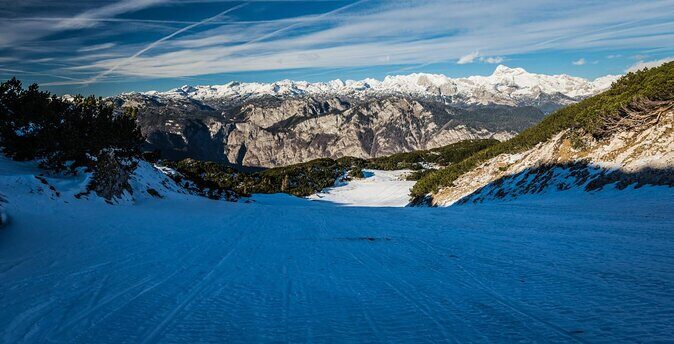
- Max 8 people: enough help close by, without the herd feeling
- Licensed guidance (IMFGA) plus mountain technical equipment you don’t have to source
- Krma Valley hike with meadows, forest edges, and a shepherd hut break
- Kredarica (2515m) hut lunch with traditional soup choices and vegetarian options
- Summit day with harness + helmet and a via ferrata system for the final approach
- Photo stop at Aljaž Tower—a simple way to capture the symbol of Slovenia
What makes this Triglav climb different (and worth your time)
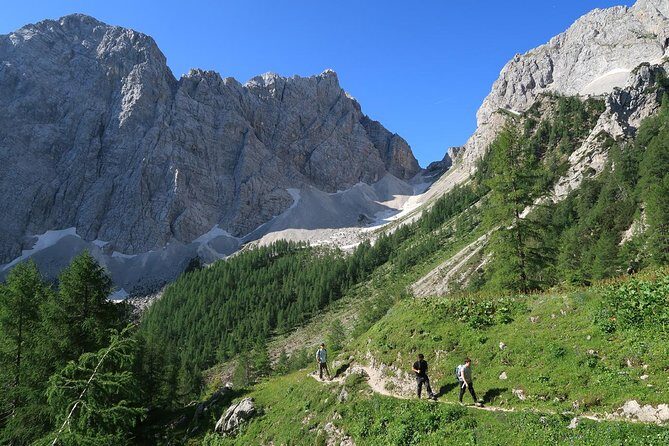
Most “climb to the top” tours sell a summit shot. This one sells the process—getting you from the valley footpath feel into proper alpine climbing, with support along the way. That matters because Triglav isn’t just about willpower. It’s about pacing, footing, and knowing what to do when the terrain gets steeper or more technical.
You’ll start from the wider Bled/Kranjska Gora area with transfers included, then move into the Krma Valley. That’s not just scenic filler. The valley day helps you settle into altitude and rhythm before you’re dealing with harnesses, helmets, and the more serious climbing systems. In other words, it’s a gentler on-ramp to a big goal.
And the small group size (up to 8) is a big deal on a mountain. When something goes wrong—wrong step, tired legs, a quick gear question—you want your guide close and available. Guests specifically praised the sense of reassurance and practical help, which is exactly what you should want when you’re working hard.
You can also read our reviews of more tours and experiences in Bled.
Getting to the start: transfers, meeting point, and how the day begins
The meeting point is Savska cesta 1, 4281 Mojstrana, Slovenia. From there, the tour can include pickup from accommodations within a set range (from Kranjska Gora to Jesenice is included in the guiding price). That’s one of those details that can quietly make or break a mountain day. If you’re traveling in Slovenia and you have to figure out local transport and timing on your own, you lose energy before you even start climbing.
You’ll also get a mobile ticket, which is convenient if you don’t want paper. The tour is offered in English, and it notes it’s near public transportation—so even if you’re not getting picked up, you should find it easier to reach the meeting point.
This tour runs with a strong emphasis on safety and organization, and that starts early: picking you up, getting you into the right area, and sorting gear timing so you’re not scrambling while you’re already out of breath.
Day 1: Krma Valley hike to Kredarica (and why the hut lunch is part of the plan)
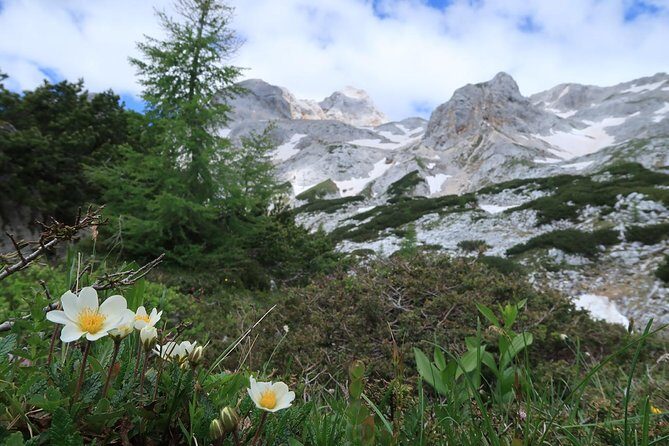
Day 1 is all about building momentum. You’ll start with a hike from the Krma Valley area, first moving slowly through the forest, then over meadows. It sounds simple, but in mountain terms it’s smart: you warm up on softer, varied ground before the slope and exposed stretches start asking more of you.
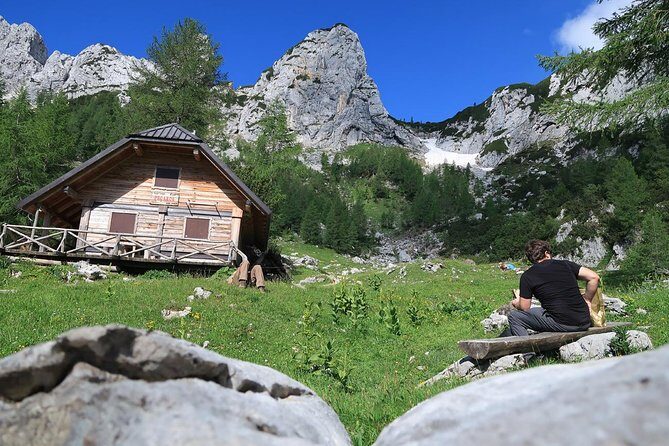
Then comes a very “Slovenia” moment. At the shepherd hut, you might meet cows, take a breather, and use the time to enjoy views and eat a snack from your backpack. This is the kind of pause that keeps you from pushing too hard too early. When people skip these breaks, they often show up later on the steeper parts with tired legs and worse decision-making.
As you climb above the forest level, the hike shifts onto solid limestone. That’s when the walking starts to feel more alpine: firmer footing, bigger views, and terrain that rewards careful steps. The reward ramps up fast.
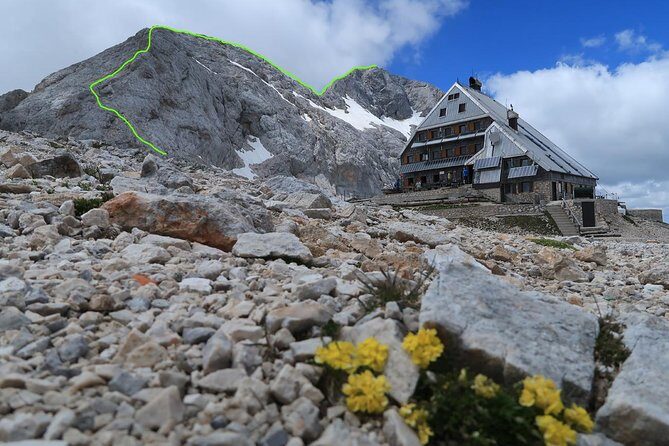
Your day’s anchor point is Triglava lodge at Kredarica (2515m). From there, you can clearly see Mount Triglav (2864m)—the top of Slovenia—and it’s a powerful psychological moment. The mountain stops being a distant idea and becomes an actual target you can picture.
Lunch is a highlight in a very practical way. Hut meals are part of how mountain days stay manageable: you refuel, you sit down, and you get something hot. The tour notes that meals there include traditional choices like barley soup, cabbage soup, goulash, plus pasta and a vegetarian meal option. Since the tour package doesn’t include food and drinks, you should expect to purchase what you choose at the lodge. Still, having clear meal options on the route means you’re not forced into guessing what’s available up high.
What to watch on Day 1
The main “consideration” is energy. If you go too fast through the forest and meadows, Day 1 can end up stealing strength you’ll need later. I’d treat Day 1 as training and pacing, not a race.
Day 2: harnesses, via ferrata-style climbing, and the Aljaž Tower photo
Day 2 is the technical part—assuming the first day wasn’t possible for a summit attempt, the guide can do the ascent to the summit in the morning. Either way, the structure is similar: you prep, you climb, you return safely.
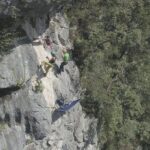
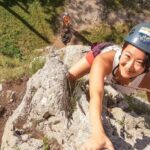
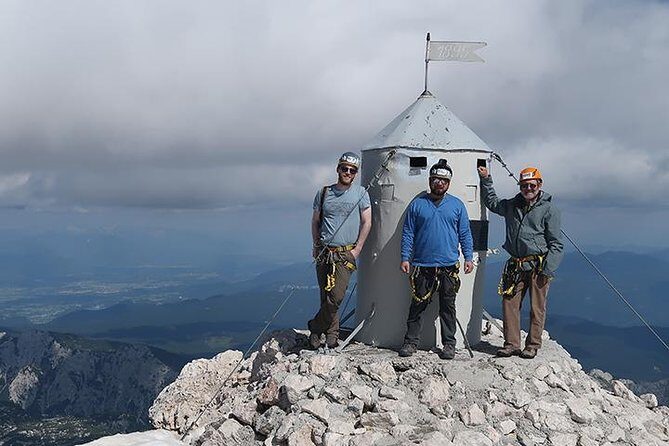
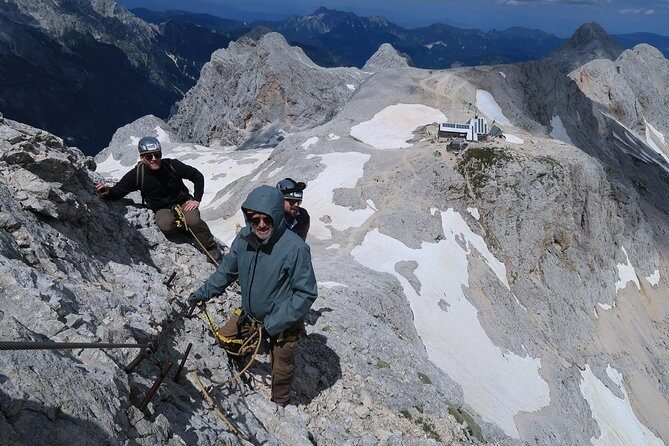
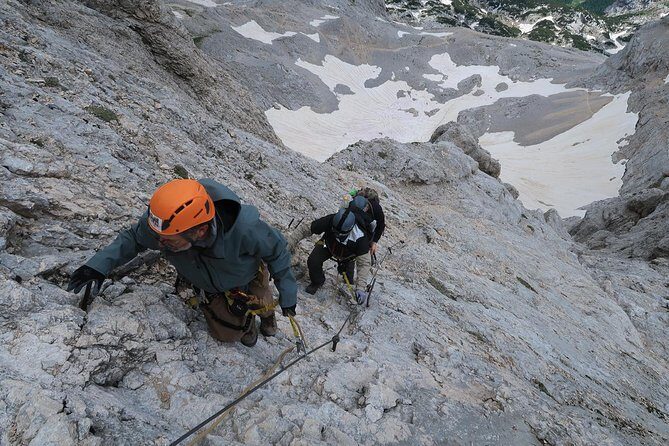
Before you move, the guide prepares you with harnesses and a helmet, then uses the via Ferata system setup for the ascent. That gear and process isn’t just “extra gear.” It changes how you climb. With the right system and guidance, you can focus on technique and steady progress instead of constantly worrying about how you’ll manage exposures.
Once you start the climb toward the summit, you’re surrounded by big Alpine views: the Julian Alps area, Triglava National Park, and direct sightlines to Triglav itself. You’ll also get a chance to take a photo at Aljaž Tower, described as a symbol of Slovenia. It’s a simple stop, but it’s worth it—photos taken with your own effort behind them feel different than a quick stop on a bus tour.
After the summit portion, the guide ensures a safe return back to the lodge and then back down toward Krma Valley. That safe, guided descent is where many climbs are won or lost. A tired person without instruction can rush or misstep. This tour’s point is to keep you supported during the hardest moment of the day: when your legs are done and your judgement has to stay sharp.
Who will feel most comfortable on Day 2
If you’ve got strong physical fitness and you’re okay following instructions closely, you’ll likely find the day more manageable. If you’re expecting a casual walk, this will feel like a wake-up call. That’s not a criticism—it’s simply the truth of alpine climbing.
Equipment and transfers: the small details that save you stress
This tour includes technical equipment rental and “mountain technical equipment,” along with transfers in both directions. That means you don’t need to sort out climbing gear weeks ahead or gamble on whether rentals will match what you need.
For many people, gear logistics become a hidden tax: time, cost, and uncertainty. Here, the tour handles the rental side so you can concentrate on training, sleep, hydration, and showing up on time.
Transfers also reduce friction. You’ll be collected and returned from the Kranjska Gora/Bled area with the guiding price range covering pickup from Kranjska Gora to Jesenice. On a two-day climb, cutting travel stress makes a real difference. You’ll arrive fresher, and you won’t end up burning your best energy on getting to the start.
And the small-group format (up to 8) works with the equipment setup too. You’ll be able to get fit checks, quick help, and reassurance without waiting forever for your turn.
Guides make the difference: what guests praised, and what you should look for
Across the reviews, the most consistent praise is about the guides: professional, kind, and actively supportive when conditions change.
One guest specifically called out Griga for being extremely professional and kind, including lending poles and encouraging them during the tough descent. Another guest credited Andraž as excellent—communicative, attentive to wishes, and capable of adapting the tour to conditions. That ability matters. Weather, fatigue, and trail state can change quickly in mountain environments, and you want a guide who can adjust without drama.
As you decide whether to book, don’t just ask Are they friendly? Ask: do they give clear instructions, do they help when you’re tired, and do they keep you moving at a safe pace? The best part of this tour seems to be that the leadership shows up in exactly those moments.
Price and value: what $396.50 buys (and what you still need to budget)
At $396.50 per person for about two days, this is not a cheap activity. But it also isn’t just a hike with a random escort. You’re paying for:
- Licensed mountain guiding with a professional team (IMFGA and mountain leaders)
- Technical equipment rental
- Transfers in both directions from the Bled/Kranjska Gora area
- A structured plan with a hut stop and a technical summit day setup
What you should budget separately: food and drinks (including hut meals) and sleeping in the huts. Since the hut has meals and soups available, you’ll likely want to set aside money for lunch on Day 1. If you’re planning snacks, bring your own for the shepherd hut break and any extra fuel between points.
So is it value? For me, it feels like good value if you want a guided alpine experience and you don’t want to handle gear rentals and summit-day systems yourself. If you already have the right equipment and strong via ferrata experience, you might find cheaper independent options. But most people don’t—and on Triglav, the guidance is part of the safety and confidence.
Practical fitness expectations (so you don’t get surprised on the day)
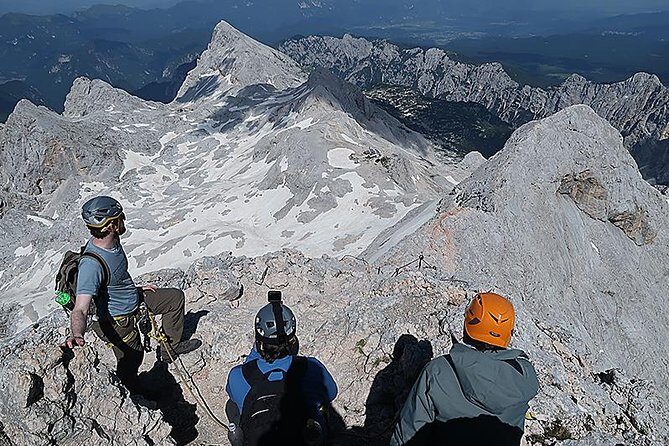
This tour explicitly asks for strong physical fitness. That’s consistent with the route profile: a hike from the valley to around Kredarica (2515m), plus a technical summit approach on Day 2 when conditions allow. Even with guide support and small-group pacing, you’re still moving uphill for long stretches.
My advice: treat this like a serious outing, not a weekend stroll. If you can handle sustained uphill hiking and you’re comfortable with climbing exposure in general terms, you’ll likely adapt faster once harnesses and systems are in play.
Also, plan for the mental side. One guest described a decades-long wish to climb Triglav and did it despite feeling it was too heavy or too far away before. That’s a real thing: confidence builds as you see the next milestone. Day 1’s hut stop and view of Triglav can help you believe the summit day is actually possible.
Who should book this Triglav climb (and who might choose differently)
This tour is a good match if you:
- Want a guided summit experience with technical support
- Like the idea of a clear two-day structure, not a single brutal day
- Prefer a small group where help is close by
- Are okay paying for meals/drinks on the mountain
You might want to think twice if you:
- Don’t consider yourself strongly fit
- Hate technical setups and want an easier hike-only experience
- Need meals and accommodation fully included in the base price (this one doesn’t include food or hut sleeping)
Should you book Mighty Mount Triglav Climb (summer special)?
If you’re aiming to climb Triglav with real structure—hike day, hut day, technical summit day—this is one of the clearer options I’d consider. The strongest reason to book is the combination of licensed guidance, small group size, and technical support gear. You’re not left to figure it out on your own.
My final nudge: read this as a serious mountain commitment. Train a bit before you go, pack smart for snacks, and be ready to pay for meals and drinks at the lodge. If you do those things, you’ll get the kind of accomplishment that sticks—plus the satisfaction of doing it with guides who know how to keep you moving safely.
FAQ
What’s the price for the Mighty Mount Triglav climb?
The price is $396.50 per person.
How long is the tour?
It’s listed as 2 days (approx.).
Do I get pickup and transfers?
Yes. Transfers in both directions are included, and pickup from accommodations in a range from Kranjska Gora to Jesenice is included in the guiding price.
Is the tour offered in English?
Yes, it’s offered in English.
What’s included versus not included?
Included: professional guide team (IMFGA and mountain leaders), technical equipment, transfers, and technical equipment rental. Not included: food and drinks, and sleeping in the huts.
Is there a vegetarian option?
Yes, a vegetarian option is available. You should advise any dietary requirements at booking.