REVIEW · BLED
Winter Fairytale – Triglav National Park Half Day Trip
Book on Viator →Operated by Mamut Slovenia · Bookable on Viator
One winter drive can turn into a full fairytale day. This half-day style trip hits the big names in Triglav National Park winter scenery: Lake Bohinj, Savica Waterfall, and snowshoe time on the Pokljuka plateau with Julian Alps views around every bend. I like how the route is built around short, high-impact stops, so you get photos and walking without feeling rushed all day.
I also like the practical package: you get a professional guide, snowshoes and poles, plus Triglav National Park fees and free photos. The likely drawback is cost creep at the two optional-but-important viewpoints: Savica has an entrance fee, and Vogel’s cable car is extra, so you’ll want to budget for those before you go.
In This Review
- Key highlights for a winter fairytale day
- How the Bled pickup and minivan route keeps you sane in winter
- Lake Bohinj in winter: frozen views and a quick first win
- Savica Waterfall: karst water, winter color, and a 2-hour photo-and-walk window
- Vogel Ski Center: cable car altitude, snowshoe time, and a hut break
- Triglav National Park at Pokljuka: glacier leftovers under your feet
- Snowshoeing rhythm: what included gear really buys you
- Price and value: what you pay for, what costs extra, and why it’s still a good deal
- What to pack so the snowshoe day stays fun
- Weather, small groups, and the guide touch you’ll feel on this route
- Best for whom: winter travelers who want scenery plus movement
- Should you book Winter Fairytale in Triglav National Park?
- FAQ
- Where does the Winter Fairytale trip start and end?
- How long is the trip?
- Is the group size small?
- What is included in the price?
- What costs extra during the tour?
- Is the Savica Waterfall ticket included?
- Is lunch included?
- Do I need to get to Ljubljana on my own?
- What fitness level is required?
- What happens if weather is bad?
Key highlights for a winter fairytale day
- Lake Bohinj gets you a frozen, big-lake first impression in just 30 minutes
- Savica Waterfall lasts about 2 hours, with winter color that looks extra dramatic on the green water
- Vogel Ski Center uses a cable car up to 1,535m, with views over Julian Alps and Bohinj Lake
- Pokljuka Plateau snowshoeing gives you Triglav National Park terrain shaped by a past glacier
- Small group (up to 8) helps the guide keep an eye on pace and footing
- Gear included (snowshoes + poles) means you can travel lighter
How the Bled pickup and minivan route keeps you sane in winter
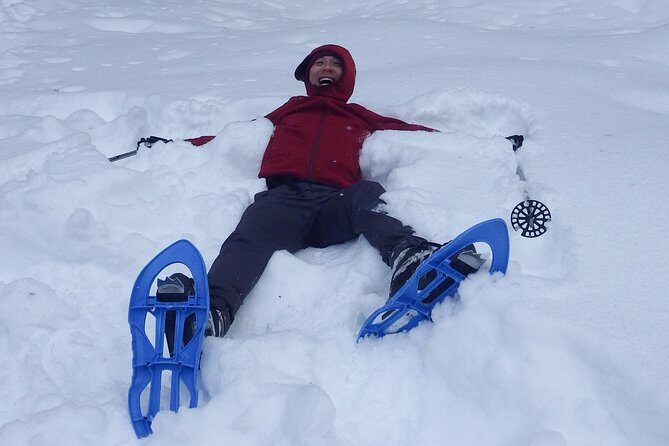
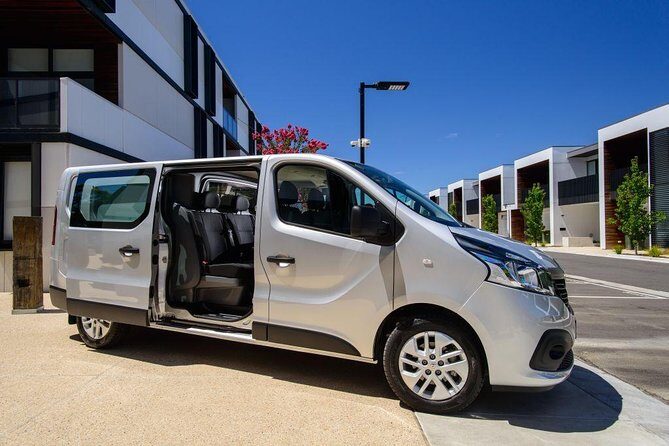
The tour starts in Bled/Ljubljana or another arranged location, and you’ll get pickup and drop-off from accommodations in Bled. Transportation is by minivan, which matters in winter because you avoid the stress of timing buses or figuring out transfers when roads are slick and daylight is short.
Even though it’s called a half-day trip, the duration is listed as about 7 hours, so treat it like a full winter outing. That timing also helps explain why the schedule works: you can move between sites, take in views, and still have time for walking and snowshoeing without feeling like you’re sprinting.
One more good detail: you’re not stuck on just one mode of sightseeing. You get lakeside stillness, waterfall time, cable-car altitude views, and then actual snowshoe trekking on a karst plateau. In winter, that mix is what turns a scenic day into a real experience.
A few more Bled tours and experiences worth a look
Lake Bohinj in winter: frozen views and a quick first win
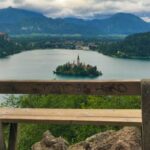
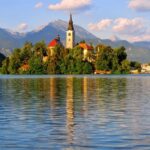
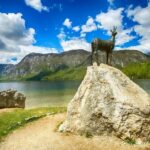
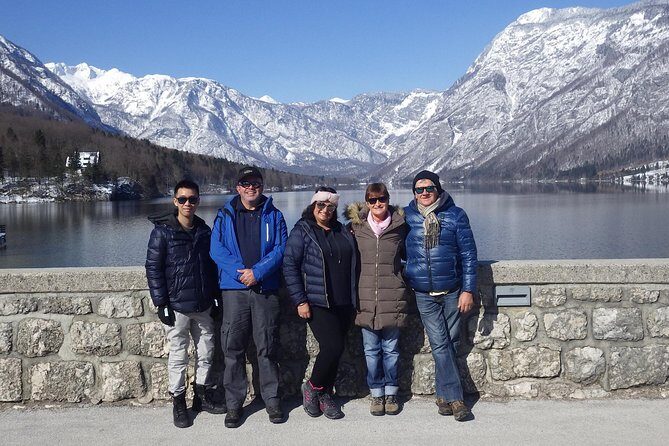
Stop 1 is Lake Bohinj, about 30 minutes. This is the largest permanent natural lake in Slovenia (3.19 km²), sitting at 526 meters in the Julian Alps between Pršivec to the north and Vogel to the south. In winter, the lake is usually frozen, which changes everything: the light looks sharper, reflections get stronger, and the whole scene feels quieter and more still.
What I like about starting here is that it sets the tone fast. You’re not immediately climbing uphill or managing a long trek. You’re just soaking in the big alpine water, snapping photos, and letting your brain adjust to winter scale.
Potential consideration: 30 minutes is exactly what it sounds like—short. If you love slow, lingering photo time on frozen lakes, you may want to arrive with a plan for what you want: wide panorama first, then any close-up spots after.
Also, because the lake can be frozen, surfaces can be slippery or uneven around shore areas. Wear boots you trust, and keep your steps careful even if you’re only walking a few minutes.
Savica Waterfall: karst water, winter color, and a 2-hour photo-and-walk window
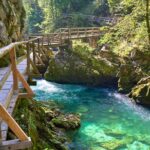
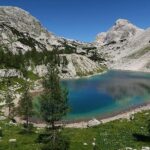
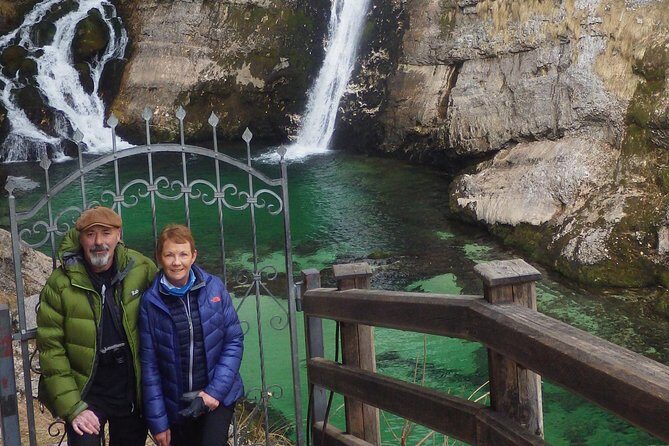
Stop 2 is Savica Waterfall, and it’s built into the day for a reason. This waterfall is a karst fountainhead, with a creek that forms a delta as it flows into Bohinj Lake. If you like nature facts, this one is more than a pretty drop: karst water systems are part of why the region’s hydrology looks so dramatic, even in winter.
The tour gives you about 2 hours here, which is a sweet spot for winter. You’ll have time to see it from likely viewpoint areas, take photos, and give yourself flexibility if conditions slow you down (ice, wind, or visibility).
Here’s the detail worth knowing: in winter, the waterfall’s water turns green, and that color effect is even more noticeable. That’s the kind of seasonal twist that makes winter feel like its own category of travel, not just summer with snow.
Cost note: Savica’s entrance fee is 3 EUR per person, and it’s not included. If you’re already paying for cable car later, it helps to bundle your thinking: this stop is the one place you’re paying for the experience itself.
Potential consideration: two hours sounds generous, but waterfall viewing can mean waiting and moving on sometimes slick ground. Give yourself patience and don’t plan on rushing through it.
Vogel Ski Center: cable car altitude, snowshoe time, and a hut break
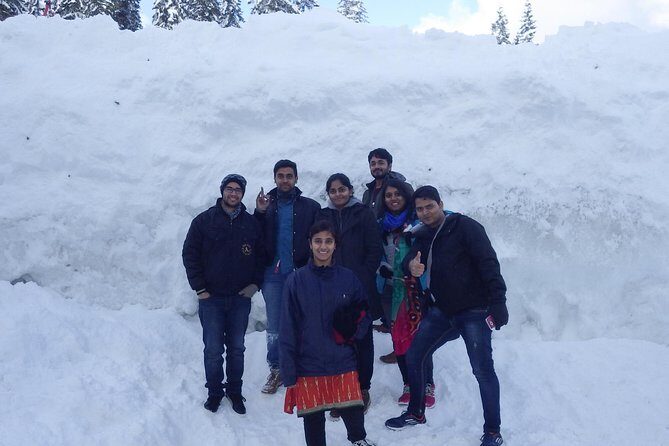
After Savica, the day climbs again with Stop 3 at Vogel Ski Center. You’ll take a cable car up to 1,535m—usually the time to stop thinking in sea-level terms. The higher you go, the more the view becomes the main event.
The cable car cost is around 20 EUR per person, and it’s not included. That’s the main extra expense in this trip besides the waterfall ticket, so if you’re debating value, focus here: Vogel is where you trade walking time for altitude perspective over the Julian Alps and Bohinj Lake.
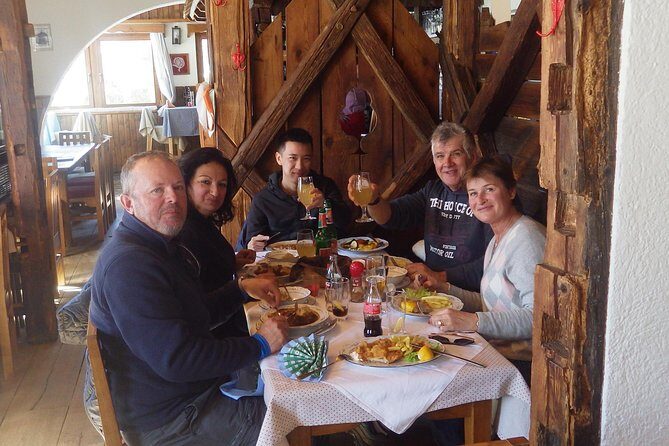
This stop is also where snowshoeing fits in. The area offers snowshoe-friendly terrain, and it’s specifically described as ideal for winter activities. After the snowshoe portion, you make a stop at a mountain hut where you can taste pristine local dishes. Lunch isn’t included on the tour, so you’ll be paying at the hut if you eat there—but that’s often part of the point. In winter, a warm break changes your energy for the final trekking stop.
Potential consideration: cable car days depend on weather and operations, and winter wind can feel sharp at altitude. Dress in layers you can adjust quickly—warm enough for outdoors, but not so bulky that snowshoeing tires you out.
Triglav National Park at Pokljuka: glacier leftovers under your feet
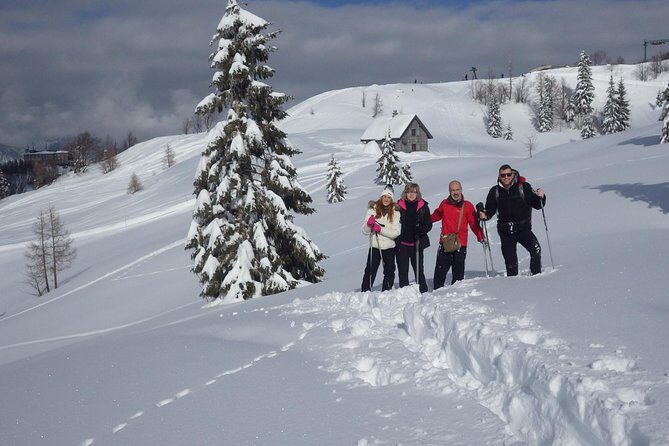
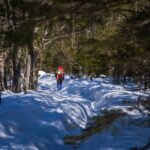
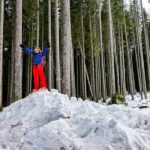
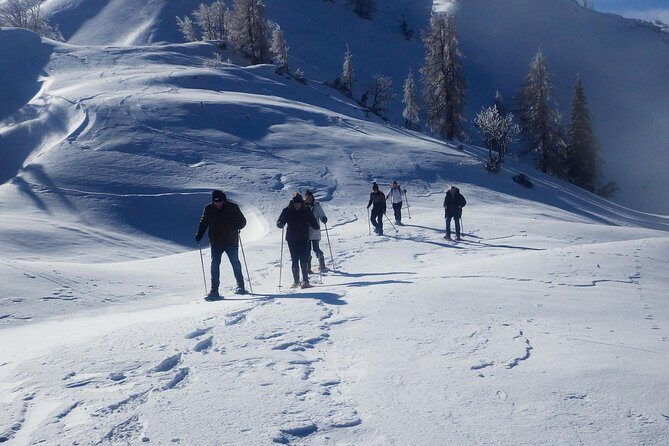
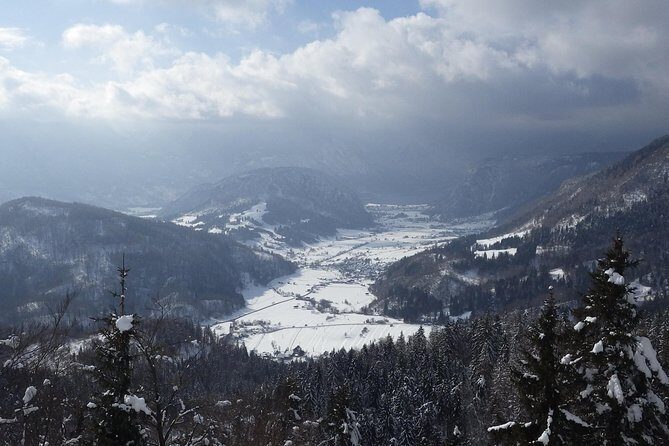
Stop 4 is Triglav National Park, and the key area is Pokljuka, a high wooded karst plateau in the Julian Alps. It’s described as the largest wooded area in Triglav National Park, and that matters because the scenery becomes different from open lake views. You’re walking through a snow-covered forest world where shadows, tree trunks, and muted winter colors give depth to every turn.
The tour explains Pokljuka’s geology in a way that makes the terrain feel personal. The hidden chasms, potholes, sinkholes, and valleys come from a time when a Pokljuka glacier once existed. Even if you don’t know the science, you can usually feel the results: the ground doesn’t look uniformly shaped, and you’ll understand why this kind of landscape invites curiosity.
You’ll explore this area while snowshoeing for about 1 hour. That duration is smart. In winter, snowshoe time is tiring in a way boots alone aren’t, so the schedule gives you enough trekking to feel like you did something physical, without draining the whole day.
Potential consideration: one hour can still feel like a workout in snow and cold. If you’re someone who gets stiff quickly, plan to pace yourself right away and ask the guide for help if footing feels uncertain.
A few more Bled tours and experiences worth a look
Snowshoeing rhythm: what included gear really buys you
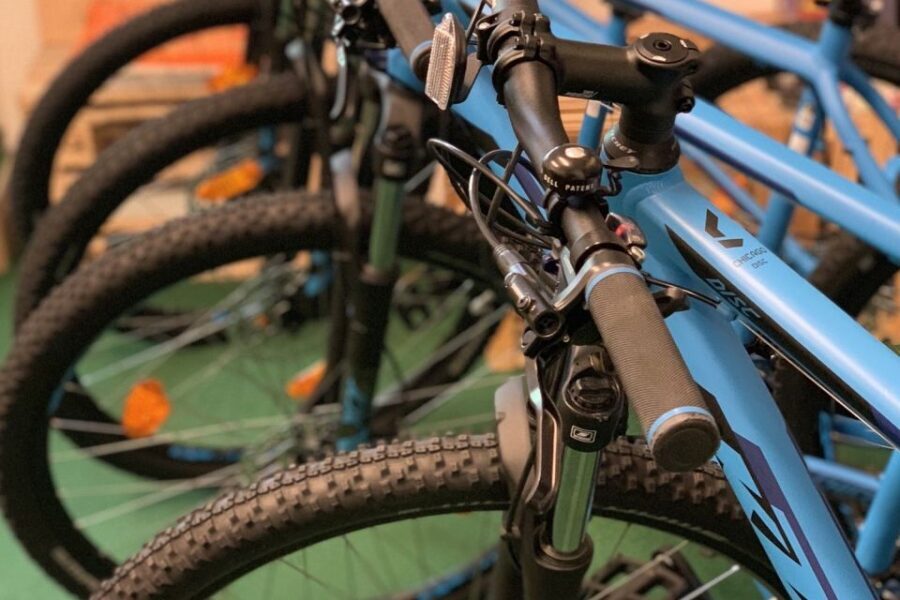
The tour includes snowshoes and poles, which is a big value piece. Winter trips can turn expensive when you have to rent gear on top of everything else, and even when rentals exist, they can be stressful last-minute. Here, the equipment is part of the package, which usually means the guide can match your kit to the terrain.
The trip is also noted for moderate physical fitness. That tells you the day is active, but not extreme. You’re walking outdoors in winter conditions at multiple stops, with snowshoeing built into Vogel and Pokljuka.
Here’s how I’d plan your effort:
- expect short stretches with some uphill or uneven snow
- take breaks when offered and don’t rush between stops
- keep your shoes dry and your gloves on, because cold hands make every photo feel harder
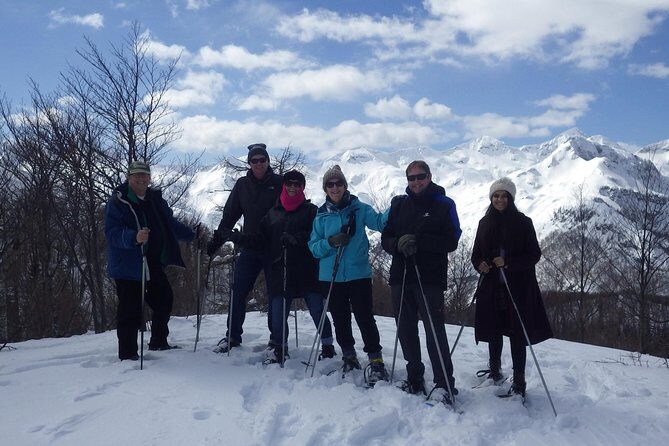
Also, the group size is kept small—maximum 8 travelers—which helps a lot on snowshoe days. Smaller groups tend to move more smoothly and give the guide room to adjust pace if you’re slower or if snow conditions change.
Price and value: what you pay for, what costs extra, and why it’s still a good deal
The price listed is $0.00 for this experience, so I can’t treat it like a normal paid benchmark. But I can still explain the value structure based on what is included and what isn’t.
Included highlights:
- Professional tour guide
- Free photos
- Pickup and drop-off from accommodations in Bled
- Transport by minivan
- Triglav National Park fees
- Snowshoes and poles
Not included highlights:
- Lunch
- Savica entrance fee: 3 EUR/person
- Vogel cable car: around 20 EUR/person
- Transfer from Ljubljana (not included)
Even at a zero-dollar tour price, the included items matter. Guide time is usually the hardest part of winter logistics to replace. Gear and park fees can add up fast. And free photos are practical: in winter, it’s easy to drop your camera or keep forgetting you’re in the scene. Having someone handle photos helps you actually enjoy the stops, not just document them.
Potential consideration: the two extras (Savica fee and Vogel cable car) are real cash costs. If you skip Vogel or feel priced out, you’d miss one of the day’s main perspective changes. So I’d think of those fees as part of building the full circuit: lake → waterfall → altitude → plateau trek.
What to pack so the snowshoe day stays fun
The information doesn’t list a packing list, but the stops scream for winter-ready basics. Bring items that handle cold, wind, and wet snow.
I’d pack:
- warm layers you can adjust quickly (winter air can swing at altitude)
- insulated, waterproof winter boots with good traction
- gloves plus a backup pair if you hate cold hands
- a hat or hood for wind
- sunglasses and lip balm for glare off snow
- a small day bag for water and your essentials
Also, if you’re bringing camera gear, keep it protected from moisture. Winter photos are a payoff, but the weather can make electronics temperamental.
If you’re unsure about your fitness, remember this is snowshoeing with poles included. Your goal is to stay balanced and comfortable, not to set a pace.
Weather, small groups, and the guide touch you’ll feel on this route
This trip runs with a weather requirement, and if poor weather cancels it, you’ll be offered a different date or a full refund. That matters in winter because visibility can make or break waterfall and panoramic stops.
The guide experience is a strong point here. One guide named in the experience, Karin, is described as brilliant and knowledgeable, and the overall tone is that the guide explains what you’re seeing in a way that actually helps you look better. I also like the social aspect that comes from Slovenia being friendly and many people speaking good English. It makes the day feel easier when you want clarification or just want a moment of local conversation.
And one small travel win: near public transportation is listed, which can be helpful if you’re staying outside Bled but need flexibility.
Best for whom: winter travelers who want scenery plus movement
This is a great fit if you want:
- major winter scenery without planning three separate tours
- snowshoeing plus guided context
- a small-group day (up to 8) that doesn’t feel crowded
It may not be ideal if you:
- hate cold outdoor time and want mostly indoor sightseeing
- can’t manage icy, uneven ground even for short periods
- want every cost to be fully included with no extras (Savica and the Vogel cable car aren’t included)
It suits couples, friends, and solo travelers who like guided structure but still want to roam for photos within each stop’s time window.
Should you book Winter Fairytale in Triglav National Park?
If your dream is winter Slovenia that mixes big views and real snowshoe trekking, I think this is worth booking. The included gear, guide-led pacing, and park logistics do the heavy lifting, and the route hits the winter power points: frozen Lake Bohinj, Savica’s green-water waterfall, Vogel’s altitude perspective, and Pokljuka’s karst plateau terrain.
I’d book it if you can handle moderate winter walking and you’re okay budgeting for Savica’s entrance fee and Vogel’s cable car. If you’re the type who gets cold fast or needs slower, longer free time at each stop, you may find the schedule moves quickly—still, the payoff is that you see a lot in one day.
FAQ
Where does the Winter Fairytale trip start and end?
It begins in Bled/Ljubljana or any other arranged location, and it finishes back in Bled/Ljubljana or at an arranged drop-off.
How long is the trip?
The duration is listed as about 7 hours.
Is the group size small?
Yes. The tour has a maximum of 8 travelers.
What is included in the price?
The experience includes a professional tour guide, free photos, pickup and drop-off from accommodations in Bled, transport by minivan, Triglav National Park fees, and snowshoes and poles.
What costs extra during the tour?
Savica Waterfall has an entrance fee of 3 EUR per person, and the cable car to Vogel Ski Center is around 20 EUR per person. Lunch is also not included.
Is the Savica Waterfall ticket included?
No. The Savica entrance fee is not included (3 EUR per person).
Is lunch included?
No, lunch is not included.
Do I need to get to Ljubljana on my own?
Transfer from Ljubljana is not included, though pickup is available from Bled/Ljubljana or an arranged location.
What fitness level is required?
Travelers should have a moderate physical fitness level.
What happens if weather is bad?
The experience requires good weather. If it’s canceled due to poor weather, you’ll be offered a different date or a full refund.