REVIEW · BLED
Triglav tour in 2 days Slovenia
Book on Viator →Operated by Altitude Activities · Bookable on Viator
Mt. Triglav calls for early alarms. This 2-day package brings you from Bled into Triglav National Park with an IFMGA guide, then covers the technical bits and the long mountain days in a tidy, no-car-needed way. I really like that you get real via ferrata-ready equipment, and that a guide shoots photos on a professional camera so you don’t have to fiddle with settings halfway up a cliff. The one thing to think about is that food, drinks, and the mountain hut stay cost extra, so your budget needs some breathing room once you’re on the mountain.
You’re not just buying a hike ticket. You’re buying a guided plan that starts early, keeps the day moving, and includes transfers so you can focus on shoes, water, and enjoying the views. The group size is kept small (max 16), which matters when the terrain gets busy and weather changes fast. If you’re short on stamina for steep, long uphill days, this tour may feel like a workout that goes past “nice stroll” and into serious hiking mode.
Because the itinerary includes an overnight at Triglavski Dom na Kredarici, you’ll want to be ready for a mountain schedule and a mountain-style night—simple and functional, not hotel-comfy. Also, bring warm layers even if the valley feels warm; the mountains can flip the temperature quickly.
In This Review
- Key things that make this Triglav trip worth your time
- From Bled to Krma Valley: why the transfers matter on day one
- Stop 1: Krma Valley to Kredarica hut in about 6 hours
- Stop 2: Triglavski Dom na Kredarici overnight (and what that really means)
- Stop 3: Summit day to Triglav peak and the descent back to Krma Valley
- Via ferrata gear and the comfort of not figuring it out yourself
- Photos on a professional camera: small detail, big payoff
- What to wear and pack: the checklist that actually prevents misery
- Group size, pace, and who this tour fits best
- Price and value: what you’re really paying for
- Should you book the Triglav tour from Bled?
- FAQ
- What time does the tour start, and where do I meet?
- Is pickup available from hotels or nearby accommodations?
- What language is the tour offered in?
- What equipment is included for the technical via ferrata section?
- What fitness level do I need?
- Are meals and mountain hut accommodation included?
Key things that make this Triglav trip worth your time
- IFMGA guide + small group: Maximum 16 people keeps the experience personal.
- Via ferrata equipment included: Technical gear is part of the package, not an extra add-on you have to chase.
- Photos you can keep: The guide takes pictures using a professional camera.
- Two-way transfers from Bled: No self-driving stress for long, early starts.
- Overnight strategy: One night at Triglavski Dom na Kredarici sets you up for a fast summit push the next morning.
- Weather-adapted timing: Guides adjust the schedule to chase the best conditions.
From Bled to Krma Valley: why the transfers matter on day one
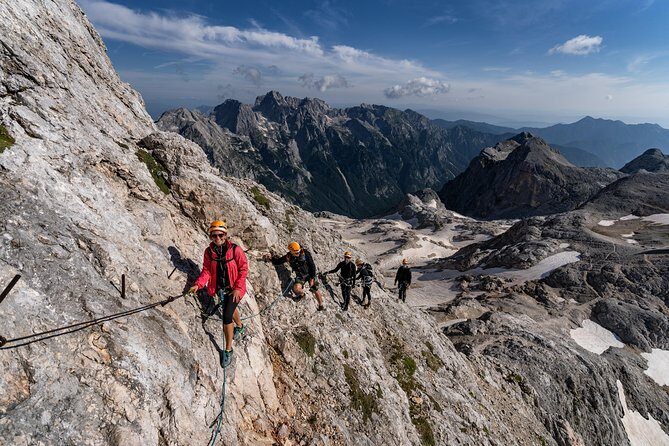
The tour starts early, with a 6:00 am meeting at Ljubljanska cesta 1 in Bled, and you’ll be back at that same point at the end. If you’ve ever tried to coordinate a self-drive mountain trip with shifting weather and tight turnaround times, you’ll understand why this matters. Here, the whole plan is built around getting you from town to the trailhead without any last-minute route drama.
Pickup is included, but only in a tight window: free pickups happen within a 5 km radius of Bled. Because lodgings are scattered, you may be picked up about 10 minutes before or after the start time. That’s normal for mountain-group logistics, but it’s still worth double-checking your pickup details so you don’t end up jogging to the van in your warm layers.
The drive transports you to the starting area in Krma Valley, then you hike onward toward the Kredarica hut. Day one is basically the “get altitude and get comfortable” phase: long enough to feel like a proper mountain day, not so long that you’re exhausted before you even reach the overnight spot.
You can also read our reviews of more tours and experiences in Bled.
Stop 1: Krma Valley to Kredarica hut in about 6 hours
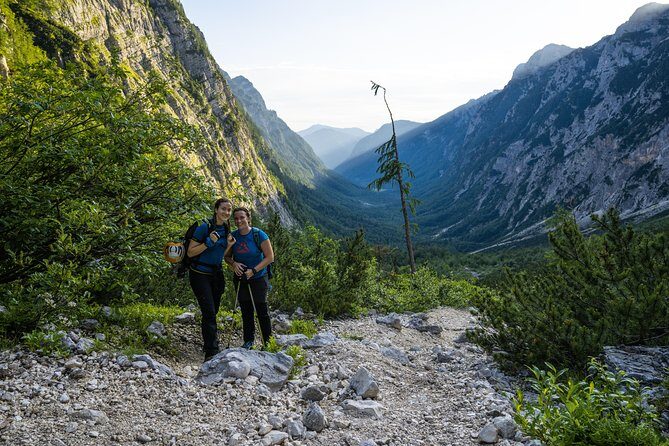
Your first real leg goes from Krma Valley to the Kredarica hut area. Expect roughly 6 hours of hiking, with short breaks along the way. The key detail here is that this is not a casual walk. It’s a long uphill day, and the pacing is set for hiking efficiency and safe mountain movement.
Admission at this stage is listed as free, which is a nice bonus because mountain “extras” can add up quickly. The bigger value is what the hike accomplishes: you’re building the physical rhythm you’ll need for the next morning, plus you’re getting used to the way mountain weather changes.
Bring the right things and day one will feel like forward progress instead of a slog:
- Good hiking shoes are necessary. Renting is possible at the office.
- Warm layers with a windproof jacket and fleece matter. The valley may be sunny and mild, but the higher you go, the more wind and chill you’ll feel.
- Sunglasses and sunscreen aren’t optional for most people on open mountain trails.
- Water: plan on about 2 liters. You may be able to refill in wells on the route or buy in the hut, but start with enough to stay steady.
If you’re used to day hikes where you can snack whenever you want, plan for snacks and sandwiches. Day one is set up like a mountain workday: eat, keep moving, then settle in.
Stop 2: Triglavski Dom na Kredarici overnight (and what that really means)
When you reach Triglavski Dom na Kredarici, the afternoon turns into a reset. This is where you relax, eat dinner, and sleep for the night. The timing is roughly 8 hours at this stage, which sounds long—until you’re on your third coffee and still trying to remember what your body did all day.
Here’s the trade-off: hut accommodation isn’t included, and food and drinks aren’t included either. Admission for this part is also listed as not included. So the hut is a key feature for the itinerary, but it’s also the part where you’ll spend extra. The good news is that it’s a straightforward cost decision: you know exactly what’s not included, and you can plan.
What you should expect from an overnight in a mountain hut setting:
- More basic comfort than a hotel.
- A schedule that follows the mountain, not your phone.
- A night where you’ll want warm sleep clothes and a calm plan for morning energy.
This stop is the heart of why the trip is only two days but still feels complete. Sleeping up high means the summit morning starts early and doesn’t require an extra full day of hiking beforehand.
Also, this is where the guided approach pays off again. When you’re tired, it’s easy to guess wrong about timing. A good guide helps you conserve energy without feeling rushed.
Stop 3: Summit day to Triglav peak and the descent back to Krma Valley
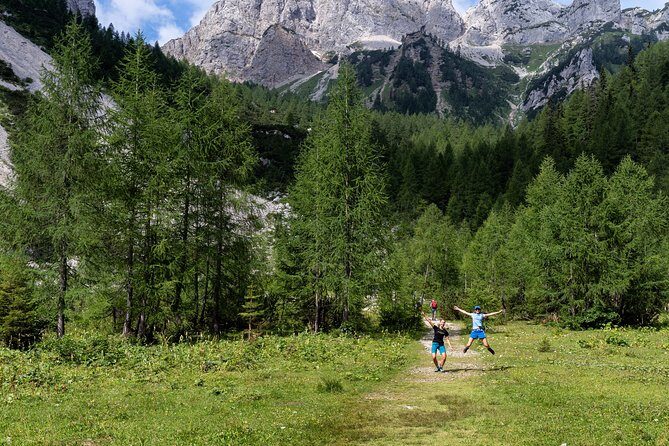
The next morning starts early again, because the summit climb is about timing and conditions. The top climb takes around 4 hours, then you get roughly 4 hours descending back to Krma Valley. That’s a full day—up, then down.
A lot of people think the hard part is the ascent. It’s not just that. The descent is a real workout too: legs burn, knees take strain, and footing attention matters. This is where trekking poles can help. They’re not required, but the tour notes they’re recommended—and I agree. Poles can reduce impact and help you stay balanced, especially when trail surfaces change.
Admission for this stage is marked free, which keeps the summit day simpler on your wallet. The bigger benefit is the “guided safety net.” The tour includes technical equipment for the via ferrata stretch, and on summit day you’ll appreciate having the right gear and a plan for tricky sections. This is where the guide’s role becomes more than narration. You’re relying on technique, pacing, and route decisions.
From the experience feedback, guides like Nastja (up to the Kredarica hut) and Matevz (to the summit and back down) are noted for being friendly and for making people feel in safe hands. That kind of calm competence matters on mountain routes, especially when weather shifts and you need quick, clear decisions.
At the end, transport brings you back to Bled, and the day closes where it started: back at the meeting point.
Via ferrata gear and the comfort of not figuring it out yourself
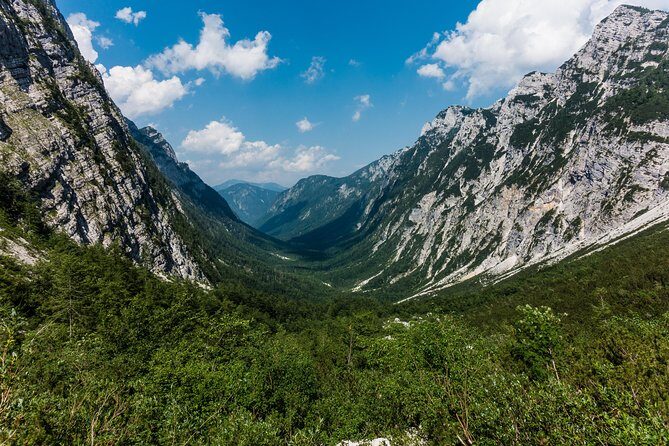
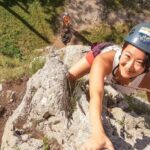
One of the most practical selling points is that the package includes technical equipment for the via ferrata portion. That means you’re not scrambling to rent the right harness, straps, or gear at the last minute. You also don’t have to guess what you’re supposed to wear for secure movement on technical terrain.
Even if you’ve done similar routes before, gear availability and proper use instructions are the difference between confidence and constant self-checking. Here, the guide handles the technical side, and you follow along.
If you’re new to via ferrata-style hiking, your preparation focus should be simple:
- Wear your hiking shoes well before the trip (not on the morning of).
- Bring a windproof jacket because straps and breathy climbs make you sweat, then chill.
- Keep your water and snacks organized in your backpack.
Also: the tour includes a small group size, which helps in technical sections. More space means less crowding at the places where you need stability.
Photos on a professional camera: small detail, big payoff
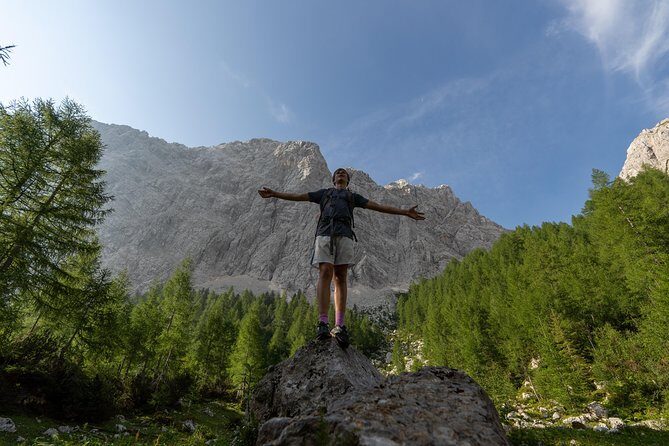
This is one of those “why doesn’t every tour do this?” features. The guide shoots photos using a professional camera, and you get them to keep. On a mountain trip, it’s hard to take photos and stay present at the same time. One minute you’re checking where your footing goes, the next you’re trying to get a decent shot before someone yells time check.
Having the guide do the camera work lets you enjoy the climb without juggling your hands, your straps, your hat, and your phone battery. It’s also a morale boost on summit day—when you’re tired, having proof that you reached the top is a nice payoff.
What to wear and pack: the checklist that actually prevents misery
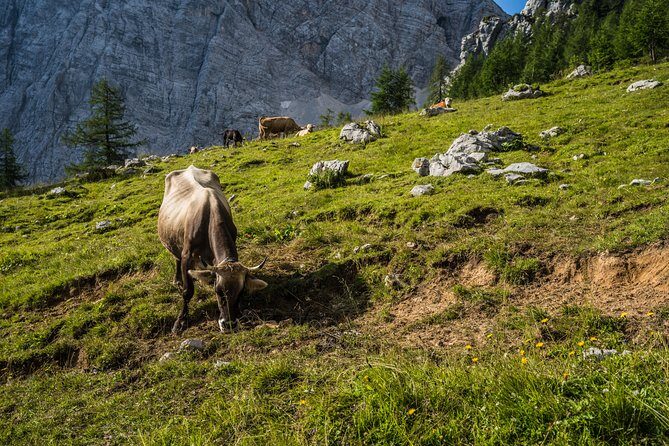
The tour gives clear packing guidance, and you should follow it. Mountain comfort comes down to a few repeat offenders: wind, cold snaps, and hydration.
Bring:
- Good hiking shoes (rental possible at the office)
- Warm hiking clothes, plus a windproof jacket and fleece
- Sun protection: sunglasses and sunscreen
- Enough water: 2 liters should be enough, with refill or purchase possible at wells and the hut
- Snacks and sandwiches
- A backpack to carry it all
You’ll also need money for hut accommodation and food since those aren’t included. That’s not a “maybe” item; it’s part of the real cost of the experience.
If you’re thinking about poles: not necessary, but recommended. I’d rather have them and not need them than need them and wish I’d brought them.
Group size, pace, and who this tour fits best
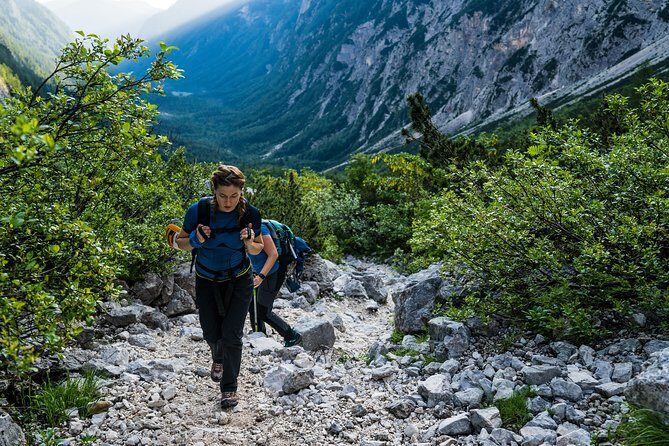
This isn’t a private, slow scenic stroll. You have hiking blocks of 6 hours, an overnight, then 4 hours up and 4 hours down. The tour fits people with moderate physical fitness, especially if you’re comfortable with long days and steep walking.
The maximum group size of 16 helps with pacing and coordination, which matters on early starts and technical stretches.
This is especially suited for:
- People who want a guided alpine experience without sorting logistics and gear on their own
- Hikers who can manage steep uphill hiking for about half a day at a time
- Anyone who wants to see Triglav National Park via a structured two-day route from Bled
If you’re expecting a “light” vacation with lots of spare time, this probably won’t feel relaxing. It’s active travel, with a payoff at the top.
Price and value: what you’re really paying for
At $530.11 per person for a two-day guided program, the price looks steep at first glance—until you break down what you’re getting.
What your money covers:
- A professional IFMGA guide
- Technical equipment for the via ferrata section
- Two-way transfers from the Bled area
- The structure and timing across two full mountain days
- Professional photos you get to keep
What costs extra:
- Food and drinks
- Lunch
- Hut accommodation
So the value equation depends on your travel style. If you’d otherwise need to rent gear, coordinate transport, and hire a guide for the technical parts, this price starts to look fair. You’re paying for risk-reduction, planning, and someone else handling the hard parts—like the route choices and pacing.
If you hate unexpected mountain expenses, do your homework on hut costs before you go. The itinerary makes it clear those items aren’t included, and that helps you budget.
Should you book the Triglav tour from Bled?
Book it if you want a guided way to hike toward Mt. Triglav with via ferrata equipment included, transfers from Bled, and the comfort of IFMGA-level leadership. I’d also book if the idea of sleeping at Triglavski Dom na Kredarici and tackling the summit early appeals to you—because that structure is what makes the two days feel like a real mountain accomplishment.
Skip it if you’re not ready for long hiking hours, or if you strongly prefer fully included meals and lodging. You’ll need to plan for hut accommodation and food costs once you’re up there.
If you’re the kind of person who enjoys clean logistics and showing up at 6:00 am already knowing someone has the plan, this one fits.
FAQ
What time does the tour start, and where do I meet?
The tour starts at 6:00 am. The meeting point is Ljubljanska cesta 1, 4260 Bled, Slovenia. Pickup details are shared in advance.
Is pickup available from hotels or nearby accommodations?
Yes. Free pickups are available within a 5 km radius of the Bled area. Depending on where your accommodation is, you may be picked up about 10 minutes before or 10 minutes after the start time.
What language is the tour offered in?
The tour is offered in English.
What equipment is included for the technical via ferrata section?
The package includes technical equipment for the via ferrata stretch.
What fitness level do I need?
You should have a moderate physical fitness level. The itinerary includes long hiking days, including an ascent and descent.
Are meals and mountain hut accommodation included?
No. Food and drinks, lunch, and hut accommodation are not included. You’ll need money for food and the overnight stay at the mountain hut.