REVIEW · BLED
Triglav winter edition
Book on Viator →Operated by Altitude Activities · Bookable on Viator
Winter on Triglav feels serious fast. This two-day outing in Slovenia combines a long day-one snow hike in the Julian Alps with an overnight at the highest hut, Triglavski dom na Kredarici, then an early push for the summit of Mount Triglav.
I especially like the small group cap of just 2 travelers, which makes the pace feel more personal when the weather turns. I also love that you get essential winter mountaineering equipment and an IFMGA-certified mountain guide, so you’re not guessing at basics in cold conditions. The one drawback to think about is that hut accommodation and your meals are not included, so you’ll need to budget for food and the hut stay separately.
In This Review
- Quick hits before you commit
- Bled to the Julian Alps: why this start works
- Day 1: Krma Valley to Triglavski dom na Kredarici (the long snow day)
- The hut goal: what makes Kredarica a smart winter plan
- Day 1 pacing and guide work: small group energy with real skills
- Day 2: the summit of Triglav, then back down before evening
- Equipment and winter mountaineering basics you get (and what you don’t)
- What you bring matters, too
- Food, drinks, and hut accommodation: budget the cold reality
- Fitness and assessment: the trip is friendly, but it’s not casual
- Who should love this tour
- Who might think twice
- Price and value: what $674.30 buys you in winter terms
- What to expect from the guides: safety, route choices, and that summit feeling
- Should you book Triglav winter edition?
- FAQ
- What is the duration of the Triglav winter edition tour?
- Where does the tour start, and is there nearby public transportation?
- What should I expect on the first day?
- Does the tour include equipment and a guide?
- Is food, drinks, or hut accommodation included?
- How does cancellation work?
Quick hits before you commit
- Max 2 travelers means a calmer route, more attention, and less crowding on narrow snow sections
- IFMGA-certified guide plus winter-ready equipment keeps the focus on safe decision-making
- Triglavski dom na Kredarici is one of the few winter-open huts, used partly for weather monitoring
- Snowshoes or crampons provided so you can move efficiently over deep snow (conditions decide)
- Photos included, plus the guides use the stops for views and quick shots without rushing you
Bled to the Julian Alps: why this start works
You begin in Bled with a morning start time of 8:00 am from the Bled area, and the meeting point is near public transportation. That matters because winter logistics get harder when you’re scrambling for taxis, cold-waiting, or last-minute gear runs.
From the start, the structure is clear: you’re moving toward Krma Valley, then upward toward the hut. This isn’t a casual stroll. It’s built around time on snow and efficient climbing habits, which is exactly what you want when winter conditions control the day.
A few more Bled tours and experiences worth a look
Day 1: Krma Valley to Triglavski dom na Kredarici (the long snow day)
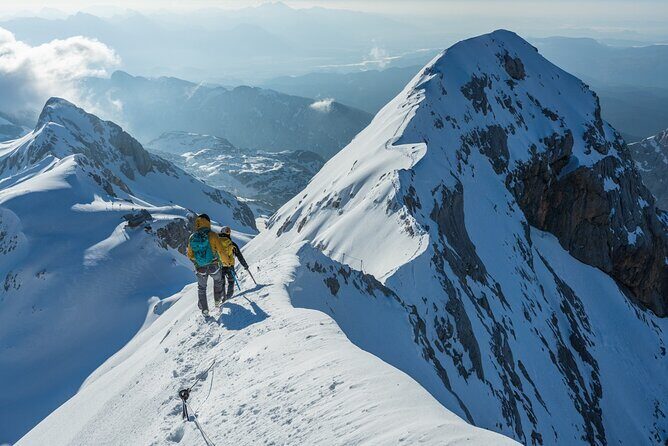
Day 1 has one main mission: the hike from the Krma Valley starting point up toward the highest hut in the Julian Alps, Triglavski dom na Kredarici. The total hike time is about 6 hours, but the guide’s estimate depends heavily on snow depth and weather.
Here’s what to expect on the ground:
- You’ll spend a big block of the day gaining altitude, not just walking to a viewpoint.
- In winter, you typically use snowshoes or crampons. The guide provides them, based on trail and conditions.
- You’ll move at a pace set for safety and comfort, with time taken for photos when the weather allows.
Why I like this approach for you: reaching a high hut the first day compresses the real challenge into a tight two-day window. That can feel demanding, but it also keeps your trip focused. No extra sightseeing detours that steal daylight from the climb.
The hut goal: what makes Kredarica a smart winter plan
Triglavski dom na Kredarici is special because it stays open in winter, largely because it supports weather monitoring. That’s practical knowledge in mountain terms. It means the hut isn’t some summer-only fantasy spot. It’s part of the winter system.
The hut experience is also what you’d expect from winter high-country:
- Limited utilities, so don’t plan on comfort like a hotel
- You can get a warm meal and drink once you arrive
- Overnight is part of the plan, so the next day starts already in the right altitude zone
One note that helps you decide: the hut stay is not included in the price. The tour takes you there and you do sleep there, but you’ll still need to cover accommodation separately.
Day 1 pacing and guide work: small group energy with real skills
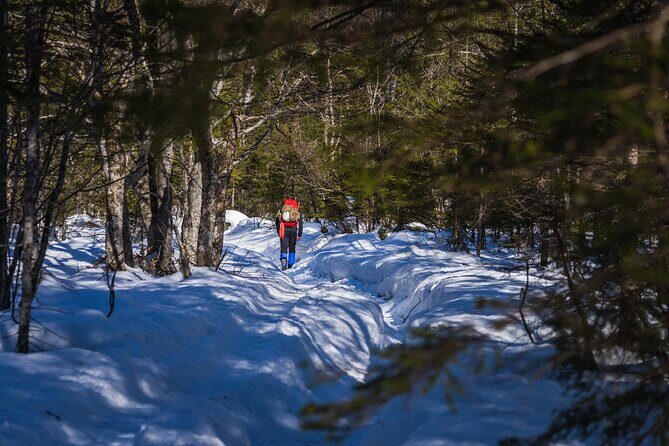
The trip runs with an IFMGA mountain guide, and the quality shows in how winter routes get managed. In situations like this, the difference between a good experience and a stressful one usually comes down to route choices, stops, and how confidently you’re guided over snow.
From the guidance style people describe, here’s what you can reasonably expect:
- Clear safety checks throughout the day
- Adjustments to pacing so you can keep control on harder sections
- Practical conversation and local context, so the hike feels like more than just steps and breath
I also like that the group is capped at two travelers. On a summit-oriented winter day, less crowding means you can space out without the awkward traffic jam effect.
Day 2: the summit of Triglav, then back down before evening
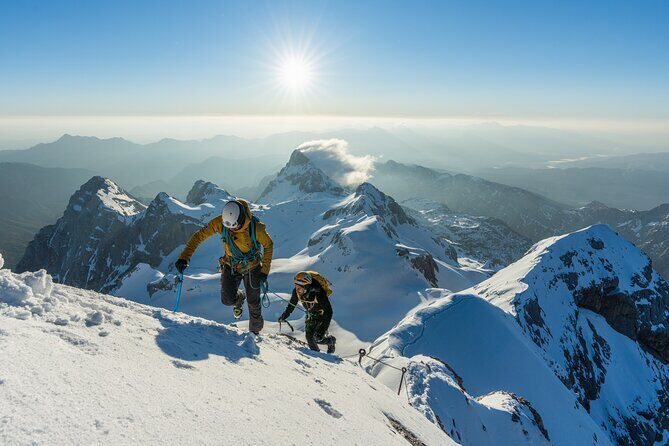
After breakfast, the plan shifts to a summit attempt. You prepare equipment, then start the climb to the top of Triglav. The ascent is about 2 hours, depending on conditions, followed by a short break at the top for photos and to enjoy the views.
Then comes the part people often underestimate: descending back to Krma Valley and returning to Bled in the late afternoon.
What this means for you in practice:
- You should think of day 2 as the demanding half, even though it’s shorter on paper
- Your ability to stay steady on cold, steep snow or icy steps will matter as much as your leg stamina
- You’ll want to treat photo stops like planned pauses, not like side quests that drain energy
The guide’s decisions matter here. Winter conditions can change quickly, and the “how” of the ascent often matters more than the “how long.”
Equipment and winter mountaineering basics you get (and what you don’t)
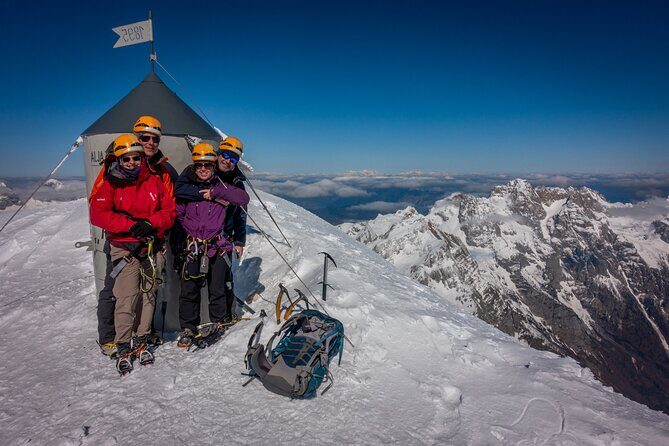
The tour includes essential winter mountaineering equipment. It also includes photos, which is a nice touch when you’re working hard and don’t want to constantly manage your camera at altitude.
Your guide also provides snow movement tools when needed:
- Snowshoes or crampons are provided depending on conditions
This is one of the biggest value points in the whole experience. In winter, gear mistakes get expensive fast, and you don’t want to be learning what you’re missing while snow is testing your confidence.
What you bring matters, too
The data doesn’t list personal gear requirements in detail, so I’ll keep this honest: you should expect to wear and carry your own winter clothing and personal hiking basics. The tour will cover the essential winter mountaineering kit and provide the snow traction tools, but your warm layers and personal comfort still come from you.
If you’re the type who likes to arrive prepared, you’ll enjoy how straightforward it is.
Food, drinks, and hut accommodation: budget the cold reality
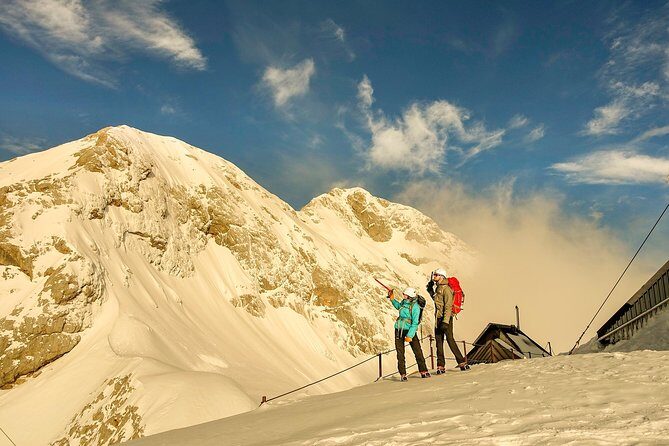
Two things are not included: food and drinks, and accommodation in the mountain hut. That doesn’t mean you’re stranded. The hut provides a warm meal and drink, which helps a lot after that first big hike.
But from a planning point of view, you should treat meals as an extra cost, not an afterthought. Winter exertion makes you hungry, and you’ll burn through what you bring quickly when temperatures drop.
Also, hut accommodation not being included means you’ll want to plan ahead for that overnight fee. It’s a small detail on paper that can feel bigger when you’re already paying for the experience.
Fitness and assessment: the trip is friendly, but it’s not casual
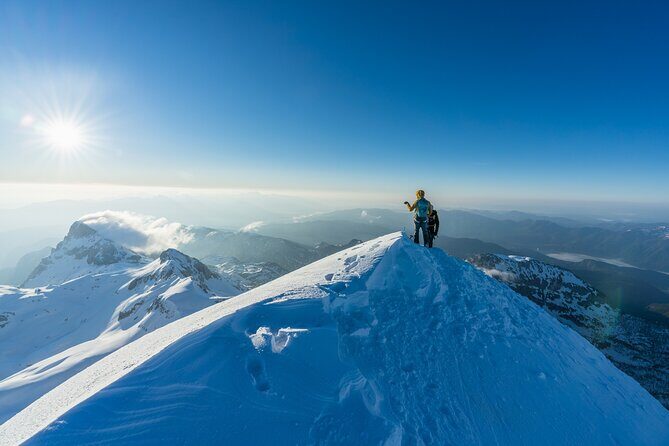
This is important: the tour is described as suitable for travelers with moderate physical fitness, but also as suitable for people who are physically well prepared. The reason is simple. You have to reach high altitude in one day, then summit the next.
Even better for you, the guide does a physical and psychological assessment prior to the trip. In other words, this isn’t just paperwork. The guide wants to make sure you understand what winter climbing asks for, and that you can handle it safely.
Who should love this tour
You’ll likely enjoy it if you:
- Want a structured winter climbing experience with guide-led safety
- Prefer a small-group vibe where you can move and stop without being rushed
- Like the idea of an overnight at a high hut, not just a day hike
- Are comfortable with cold effort and the mental game of winter ascent
Who might think twice
You might want a gentler option if you:
- Don’t like long climbs on snow, even with traction help
- Have limited winter hiking experience and struggle with cold endurance
- Prefer guided days that are more sightseeing than summit-focused exertion
Price and value: what $674.30 buys you in winter terms
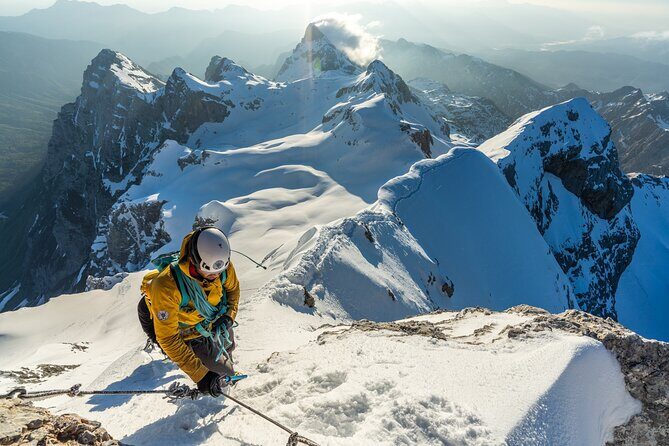
At $674.30 per person, the headline price looks steep until you break down what’s included and what’s covered by someone who actually guides winter summits.
You’re paying for:
- A certificated IFMGA mountain guide
- Essential winter mountaineering equipment
- Transport by car from the Bled area to the starting point and back
- Photos as part of the experience
- The logistics of a two-day high-altitude plan built around snow conditions
What’s not included:
- Food and drinks
- Hut accommodation
- Any personal clothing and everyday hiking needs not listed as included
For value, the key point is risk and competence. In winter, the cost of doing it wrong is high—physically and emotionally. This tour pays for trained judgment, winter systems, and traction support so you can spend your energy where it counts: on moving upward safely and getting to the top.
Also, the tour notes group discounts and a small-group setup. If there’s a second seat available and you can match up with your timing, that can improve value, even though the cap is only two travelers.
What to expect from the guides: safety, route choices, and that summit feeling
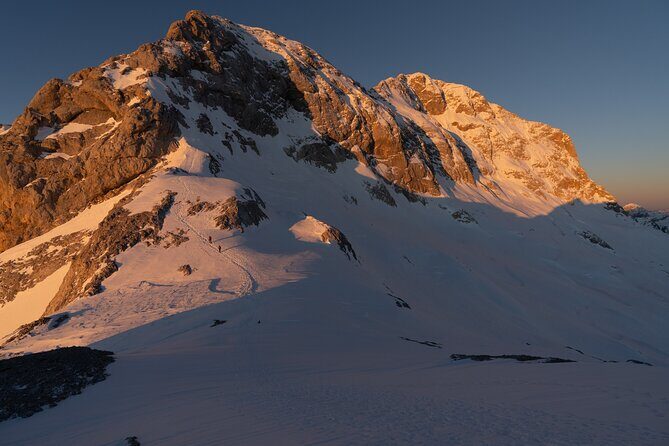
The reviews attached to this company repeatedly praise guides for how they manage winter climbing. People describe feeling safe from start to finish, with pacing that doesn’t bulldoze you. One guide named Matevž is highlighted as caring and patient, with a route selection style that keeps the climb both challenging and controlled.
Another detail that stands out: Peter is mentioned as joining an ascent and helping make a memorable sunrise moment. That’s the kind of added magic that doesn’t come from extra gimmicks. It comes from planning, timing, and knowing what to do at the right moment.
If you’re hoping for more than just a summit check, you’ll probably like this guiding style: time for photography, practical technique tips, and calm reassurance when winter gets real.
Should you book Triglav winter edition?
If your goal is a true winter experience with an actual plan for snow and a qualified mountain guide, this is a strong choice. I’d book it if you’re ready for:
- A long first day from Krma Valley up to Kredarica
- A summit day with an about-2-hour ascent and a descent back to Krma Valley
- Cold effort, basic hut reality, and clear expectations about food and accommodation
I’d hesitate if you want a relaxed winter stroll, or if you’re not sure about winter stamina. The assessment is there for a reason, and it’s better to be honest up front than brave it.
If you do book, pack smart, plan for hut costs and meals, and trust the guide’s calls on traction and pacing. When it goes right, Triglav in winter is the kind of achievement you remember long after the snow melts.
FAQ
What is the duration of the Triglav winter edition tour?
It runs for about 2 days, starting at 8:00 am in Bled and returning back to the meeting point in the late afternoon on day 2.
Where does the tour start, and is there nearby public transportation?
The tour starts in Bled at the Bled area meeting point, and the meeting point is near public transportation.
What should I expect on the first day?
Day 1 includes a hike from Krma Valley toward the Triglavski dom na Kredarici hut. The hike is about 6 hours, and the guide may provide snowshoes or crampons depending on conditions.
Does the tour include equipment and a guide?
Yes. The tour includes essential winter mountaineering equipment and a certificated IFMGA mountain guide. Photos are also included.
Is food, drinks, or hut accommodation included?
No. Food and drinks are not included, and accommodation in the mountain hut is not included. The hut is described as having warm meal and drink options.
How does cancellation work?
You can cancel up to 24 hours in advance for a full refund. If you cancel less than 24 hours before the start time, the amount paid is not refunded.