REVIEW · BLED
Walking with alpacas – Domačija Loncnar – Bohinj
Book on GetYourGuide →Operated by Lontech d.o.o. · Bookable on GetYourGuide
Alpacas slow time in Bohinj. On the walk from Domačija Loncnar, you’ll spend real time with calm, fluffy animals while a guide leads you through the countryside at an almost comically unhurried rhythm.
I love the alpaca pace: when you stop, the alpaca stops too, so the whole experience feels like a gentle reset. The route is easy to follow, and that matters because it keeps your brain on the animals and the birds, not on where to step next.
One thing to consider: this outing is not wheelchair accessible, and it isn’t a fit for people with mobility impairments. If you’re steady on your feet, though, it’s a very relaxing way to see Upper Carniola.
In This Review
- Key things you’ll remember most
- Price and value: is $44 worth it?
- Where this happens: Upper Carniola, near Bohinj
- The farm start: meet alpacas up close (and learn their vibe)
- Feeding time details that make the experience feel personal
- The guided walk: easy trail, relaxed pace, big nature payoff
- What the countryside sounds like on this walk
- About the guides: calm leadership and real animal care
- Group size and why private feels better here
- What’s included (and what you need to plan for)
- What to bring: small items that prevent big annoyance
- Who this walk suits best (and who might want another plan)
- How long it really feels: 1.5 hours of slow joy
- Photo tips: getting good shots without hassling anyone
- Local culture connection: why this feels like Slovenia, not just animals
- Should you book the alpaca walk?
- FAQ
- How long is the alpaca walk?
- What’s included in the price?
- Do I need to bring snacks or meals?
- What should I bring with me?
- Is it wheelchair accessible?
- Are pets allowed?
Key things you’ll remember most
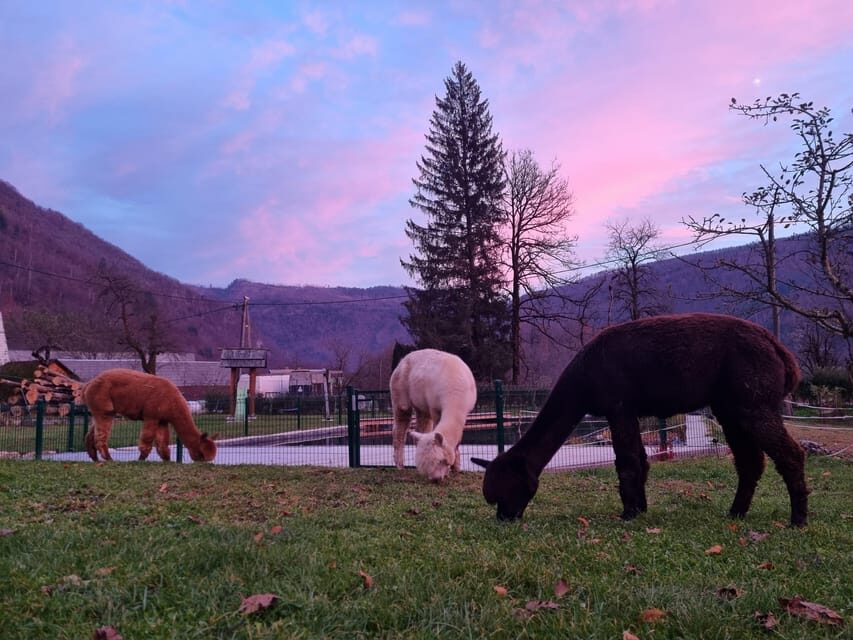
- Feeding time on a real alpaca farm, with a chance to learn their habits up close
- An easy, guided trail that takes you toward a great river spot for photos
- Nature soundscape: birds overhead, plus that everyday mix of bees and grass sounds
- A guide who talks the whole way, with English plus Slovenian and Croatian support
- Private group feel, so you don’t spend the walk dodging other people
Price and value: is $44 worth it?
At $44 per person for about 1.5 hours, this isn’t a budget activity—think of it as a calm, high-touch nature experience rather than a checklist attraction. You’re paying for three things that matter on the ground: time with the animals, a guided walk (not just a ticket), and hands-on interaction like feeding.
Also, the “value per minute” is good because you’re not stuck waiting around. You get a farm start, then you move into the countryside walk. And since the pacing is intentionally unhurried, the time feels longer in a good way, especially if you want quiet after busier Bohinj areas.
You can also read our reviews of more walking tours in Bled
Where this happens: Upper Carniola, near Bohinj
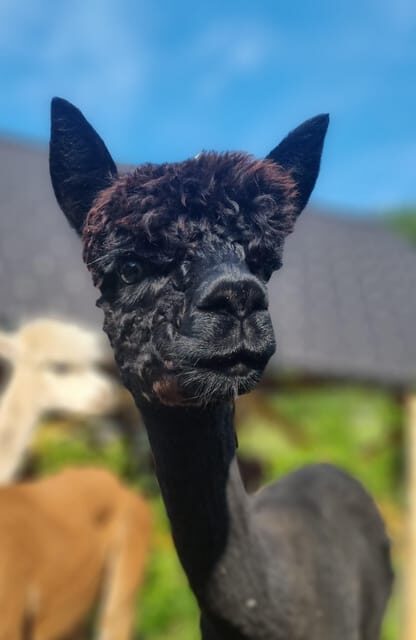
This walk is based in Upper Carniola, Slovenia, with Domačija Loncnar as the host farm. That region is known for pastoral scenery, and you feel it during the route: open countryside views, a soft, rural pace, and that sense of getting out of the main tourist flow.
You won’t need specialized gear or technical hiking skills. What you do need is comfort—because you’ll be outside for the better part of 90 minutes, and the countryside can shift from sunny to breezy quickly.
The farm start: meet alpacas up close (and learn their vibe)
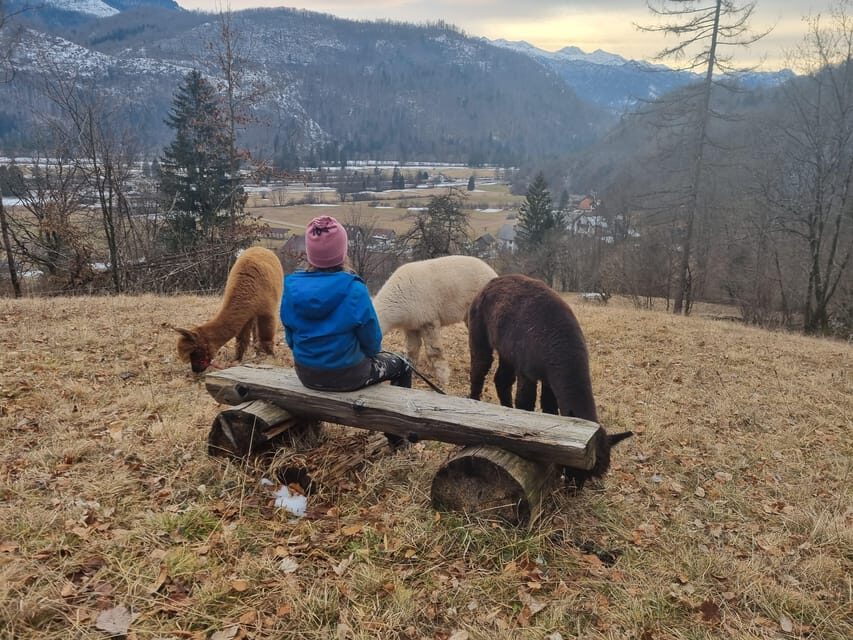
You’ll begin on the farm, where the experience is more than just a quick look at animals behind a fence. The core of the early part is hands-on: you’ll feed the alpacas and get to know their personalities.
That “getting to know them” part is the point. Alpacas tend to be calm, but each one has its own attitude. Some come forward with curiosity. Others hang back until they’re sure you’re not a threat. Either way, the guide can help you read what’s happening and how to behave around them.
It also helps that the animals are part of a working family farm environment rather than an isolated roadside spectacle. The overall tone stays gentle. You’re there to slow down, not to race through.
Feeding time details that make the experience feel personal
Feeding might sound simple, but it’s usually where the whole experience clicks. You’re interacting at ground level with large, soft-bodied animals, and you’ll feel the difference between impatient, nervous energy and true calm.
A few practical things you should keep in mind:
- Wear comfortable shoes. You’ll likely be standing close to the animals and moving slightly as they shift.
- Keep your posture steady while feeding. Sudden movements can make even calm animals react.
- Follow the guide’s direction right away. You’ll learn the right way to offer food and stay respectful.
And if you like photo moments, feeding time is often when you’ll get the best, closest shots—especially if you wait calmly and let an alpaca step into your space.
The guided walk: easy trail, relaxed pace, big nature payoff
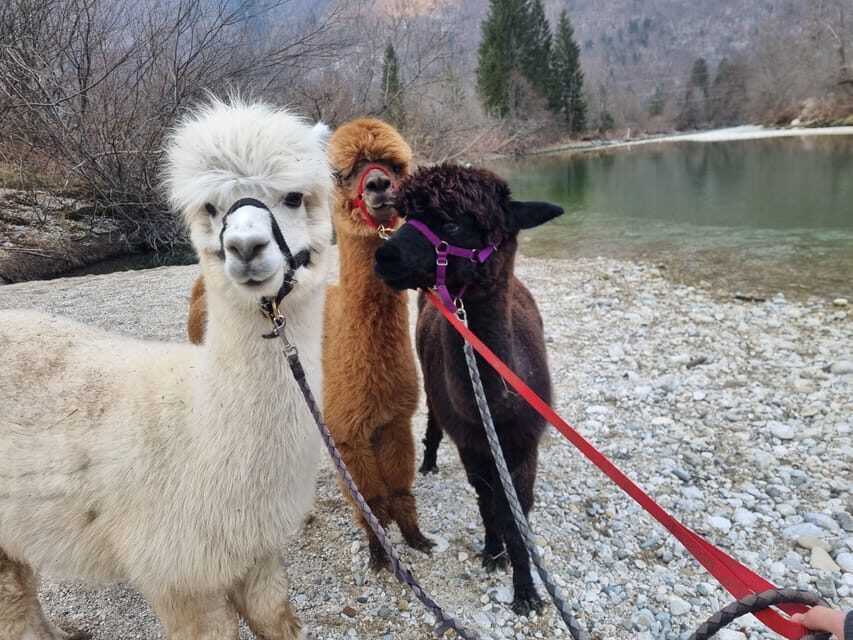
After the farm introduction, you’ll set off on a guided walk through the countryside. The experience is built around an easy-to-follow route, so you can focus on the animals and the surroundings. Expect the guide to talk throughout the walk, which keeps things comfortable and informative without turning the outing into a lecture.
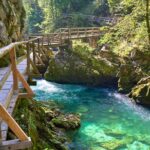
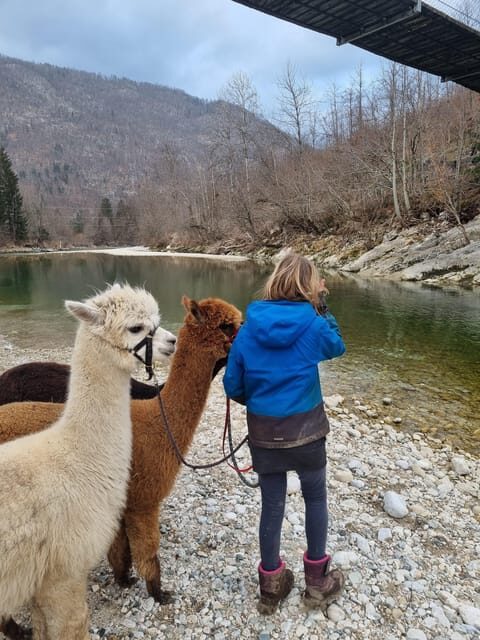
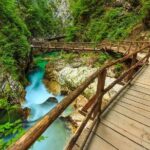
The route takes you toward a river spot that’s great for photos. One review specifically notes the trail leads all the way to the river, and that river area is a standout stop for picture-taking. Even if you’re not chasing perfect shots, that kind of scenic endpoint gives the walk a satisfying arc.
What the countryside sounds like on this walk
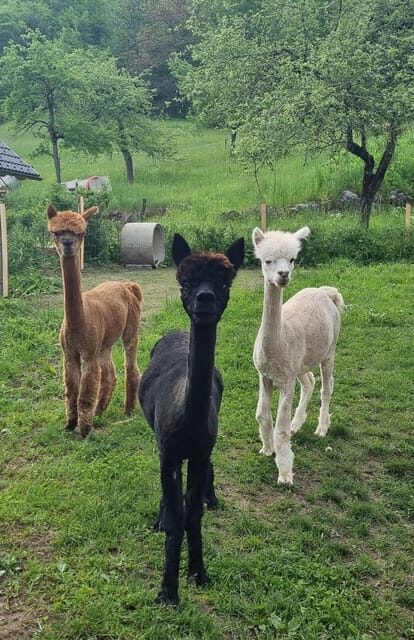
This is one of those activities where the “sensory payoff” is real. You’ll hear birds singing, plus the tiny background sounds that usually get drowned out by city noise. Bees buzzing and crickets hopping in the grass are part of the feel, and the longer you stand still, the more you notice.
The best part is the way the animals match that tempo. When you stop, the alpaca stops too. That forces you into an unhurried rhythm. It’s surprisingly effective if you’ve been traveling fast and your brain is still stuck on schedule.
About the guides: calm leadership and real animal care
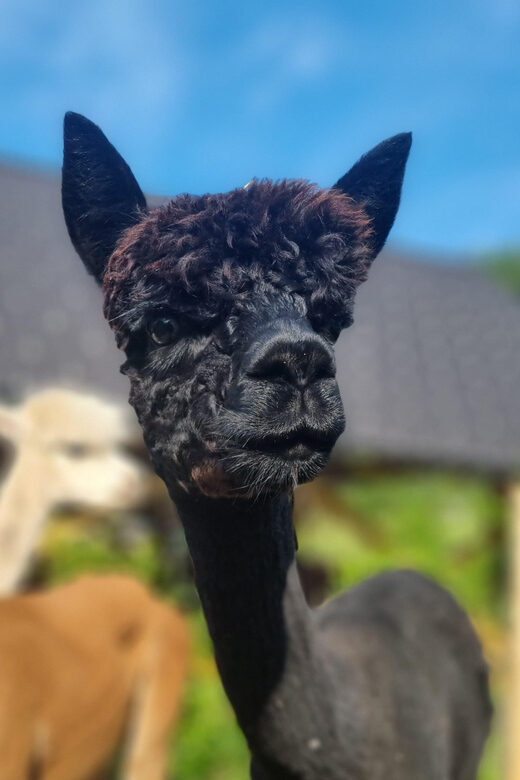
The tour runs with a live guide and supports English, Slovenian, and Croatian. That multilingual setup matters if you want to ask questions and get real answers, not just follow along silently.
You’ll also see why the experience works: the host family treats the animals with patience, and that shows in how the walk is conducted. Multiple accounts highlight friendly, kind hosting and an informative guide who keeps things moving the whole time. It’s not just a person leading you—it’s someone setting the tone so the alpacas feel safe and you feel comfortable.
If you’re curious, bring questions like:
- How do alpacas behave when they’re settled?
- What should you avoid while feeding?
- How do you read their body language?
Even without deep technical answers, the guide’s on-the-ground knowledge makes you a smarter, more respectful visitor.
Group size and why private feels better here
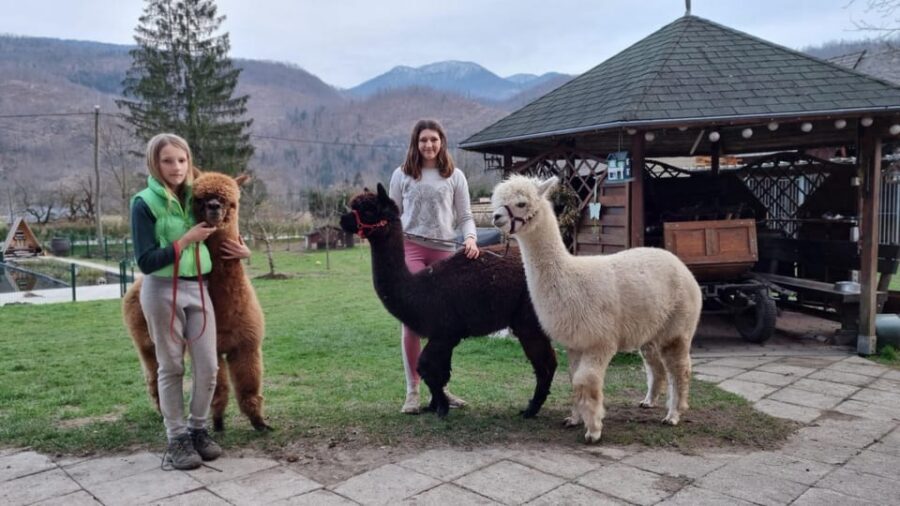
This is a private group experience. That’s a big deal for something animal-centered. With fewer people, the alpacas stay less stressed, and the interaction feels less rushed.
A private format also makes the pace work. The walk is meant to be gentle, and the guide can match it to your comfort level—stopping for photos, letting you watch natural behavior, and keeping the experience calm rather than crowded.
What’s included (and what you need to plan for)
Included:
- Guided alpaca walk
- Opportunity to feed the alpacas
- Countryside views along the route
- Chance to learn about alpacas
Not included:
- Transportation to and from the farm
- Meals and drinks
That “no meals” detail is important. You’ll probably want to plan food timing so you’re not hungry mid-activity. A simple strategy: eat beforehand, then use this walk as a quiet afternoon break. Since there’s no included drink in the official description, don’t assume you’ll be topped up—bring water (more on that below).
What to bring: small items that prevent big annoyance
For a smooth experience, come ready for outdoor walking and sun.
- Comfortable shoes (this is the big one)
- Sun hat
- Sunscreen
- Water
Weather-appropriate clothing also helps. Even a short countryside walk can feel cool in shade and warm in open sun, so dress in layers if the forecast looks changeable.
And one more subtle tip: if you’re bringing a phone for photos, clean the lens before you start. River-side light can create glare, and alpaca fluff loves to catch every speck of dust.
Who this walk suits best (and who might want another plan)
This is a great fit if you want:
- A calm, nature-focused outing in Bohinj
- Low-stress walking with a clear route
- A hands-on animal experience (feeding and learning)
- A break from crowded sightseeing
It’s less suitable if:
- You have mobility limitations (the experience is not wheelchair accessible and isn’t designed for that)
- You need a stroller-friendly or step-free environment
Also note the pet rule: pets aren’t allowed, though assistance dogs are allowed. If you’re traveling with a pet, you’ll want to arrange another activity for that day.
How long it really feels: 1.5 hours of slow joy
The duration is listed at 1.5 hours, and that’s a sweet spot for this kind of experience. You get enough time to:
- Meet and feed the alpacas
- Walk with them through the countryside
- Reach the scenic river area
- Stop, watch, and take photos without feeling rushed
Because the “alpaca pace” slows your movement, the time can feel restorative. It’s less like a timed attraction and more like a guided pause.
Photo tips: getting good shots without hassling anyone
You’ll likely end up with great photos at the river spot. But don’t chase them so hard that you forget the point.
To keep it respectful:
- Move slowly while setting up your shot
- Keep your distance when the alpacas are adjusting
- Let them approach you instead of crowding forward
- Use the feeding moments for close-ups, and save the river for wider compositions
If the alpacas are resting or wandering, wait a moment. Patience usually gives better frames than sudden camera swings.
Local culture connection: why this feels like Slovenia, not just animals
At first glance, this looks like a cute animal experience. But it also connects you to rural Slovenian life in a grounded way. You’re not just watching alpacas like a zoo exhibit—you’re learning about how they’re handled on a farm and how the day flows in the countryside.
Upper Carniola’s identity is often expressed through these quieter moments: working farms, gentle guides, and nature sounds that don’t feel manufactured. This walk hits that vibe hard, which is why it lands well even for people who aren’t “animal people” at home.
Should you book the alpaca walk?
Yes, if you want a calm break that mixes countryside time with real animal interaction. This is especially worth booking if you’re traveling with kids (there are accounts of a parent and child enjoying the walk) or if you want something soothing after more hectic sightseeing days.
Skip it (or adjust your plan) if you can’t comfortably walk for about 90 minutes or if accessibility is a major concern. And if you’re expecting a long hike or big elevation views, this isn’t that kind of outing.
My practical decision rule: book it for the vibe—slow, guided, countryside, alpacas. If that’s what you want, you’ll likely leave feeling lighter.
FAQ
How long is the alpaca walk?
The experience lasts about 1.5 hours.
What’s included in the price?
You get a guided alpaca walk, the chance to feed the alpacas, opportunities for countryside views, and time to learn about alpacas.
Do I need to bring snacks or meals?
Meals and drinks are not included. Plan to eat beforehand, and bring water.
What should I bring with me?
Wear comfortable shoes and bring a sun hat, sunscreen, and water.
Is it wheelchair accessible?
No. It is not wheelchair accessible and it isn’t suitable for people with mobility impairments.
Are pets allowed?
Pets aren’t allowed, but assistance dogs are allowed.