REVIEW · BLED
Climbing Mount Triglav in Slovenia
Book on Viator →Operated by Explore-Share (Slovenia) · Bookable on Viator
Triglav is Slovenia’s big goal—and it’s close to Bled. This two-day group climb takes you up the Krma Valley route to a summit at 2,864 meters, with a via ferrata section on the second day. You’ll get rope, harness, and helmet through the group gear package, plus transport from the Bled meeting point to the start.
I especially like how the plan splits the work into two clear days: 5–7 hours of climbing on Day 1 to Triglavski dom (the hut), then the toughest part on Day 2 with the wire-and-piton via ferrata. And I love the small group size—maximum of 4 travelers—because it makes the pace feel more personal while staying structured. One thing to consider: accommodation and meals aren’t included, and the via ferrata means you should arrive ready for exposed, technical climbing.
The guides behind this trip—Matej and Rok—are praised for being professional and for managing risk well, which matters a lot when you’re mixing hiking, steep sections, and via ferrata. If you’re a solo traveler or you want a budget-friendly group option, this is a strong fit. Just be honest with yourself about weather and your moderate fitness level, since the climb depends on good conditions.
In This Review
- Key things to know before you go up Triglav
- Two days of Triglav climbing from Bled (and why that matters)
- Day 1: the Krma Valley slog to Triglavski dom hut
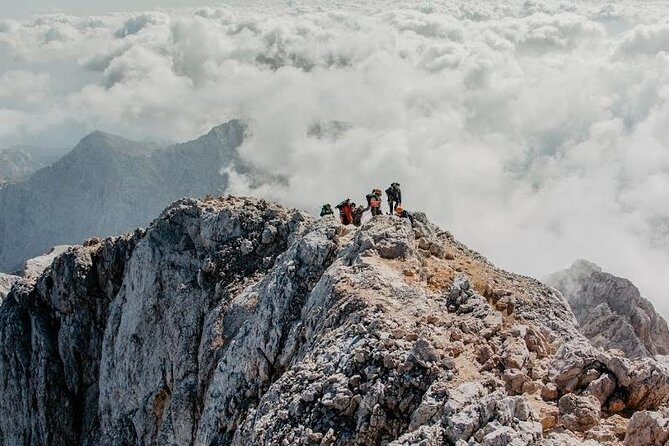
- Day 2: via ferrata on the hardest part, then summit views
- What’s included vs. what you’ll pay for: a value reality check
- Transportation, timing, and the small-group advantage
- Gear checklist that will keep you moving (and feeling safe)
- Who should choose this Triglav trip (and who might not)
- Guides and safety: what the reviews highlight most
- Should you book Mount Triglav with this Bled group trip?
- FAQ
- How long is the Mount Triglav climb from Bled?
- What’s the meeting point and start time?
- What equipment is provided?
- Are accommodation and meals included?
- What fitness level do I need?
- What happens if the weather is bad?
Key things to know before you go up Triglav
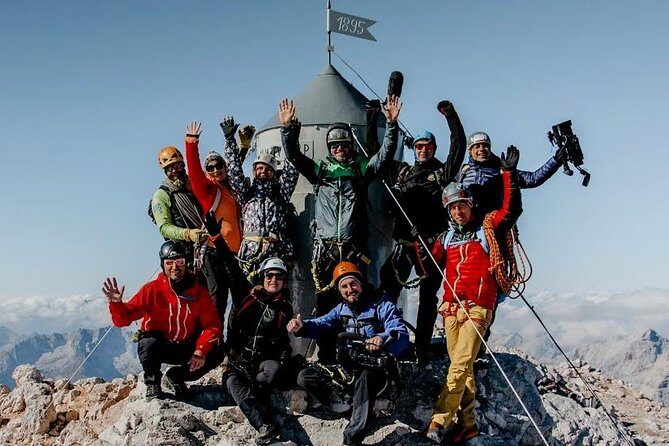
- Beginner-friendly route choice: the Krma Valley route is described as the easiest way up for beginners.
- Two-day structure: Day 1 ends at Triglavski dom after 5–7 hours of climbing; Day 2 focuses on the via ferrata.
- Via ferrata on the hardest section: you’ll use wires/pitons equipment-assisted climbing on Day 2.
- Safety gear included: rope, harness, and helmet are provided by the group.
- Small group, max 4 people: more attention and less waiting around.
- Summit height is 2,864 m (9,396 ft): you’re chasing a real high point, not a casual viewpoint.
Two days of Triglav climbing from Bled (and why that matters)
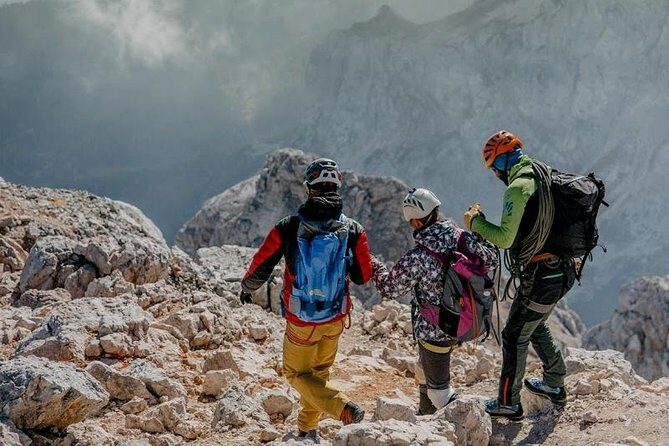
Bled is a practical base for a serious mountain day. You meet at Prešernova cesta 68 (4260 Bled) at 8:00 am, then you’re taken to the start point. That simple setup is valuable on a trip where the main event is technical climbing and you don’t want to spend extra hours figuring out logistics.
The heart of the experience is that you don’t just hike—you hike and climb, including a via ferrata section that takes you higher and pushes you into a more “mountaineering” rhythm. The summit is listed at 2,864 meters, so the effort has clear payoff: you’re aiming for Slovenia’s top point, not a mid-slope stop.
You should also know what this isn’t. It’s not a “meander and take photos” day trip, and it’s not a luxury overnight with meals included. You’re responsible for hut costs and your food, so you should plan your budget like an actual climbing trip.
You can also read our reviews of more tours and experiences in Bled.
Day 1: the Krma Valley slog to Triglavski dom hut
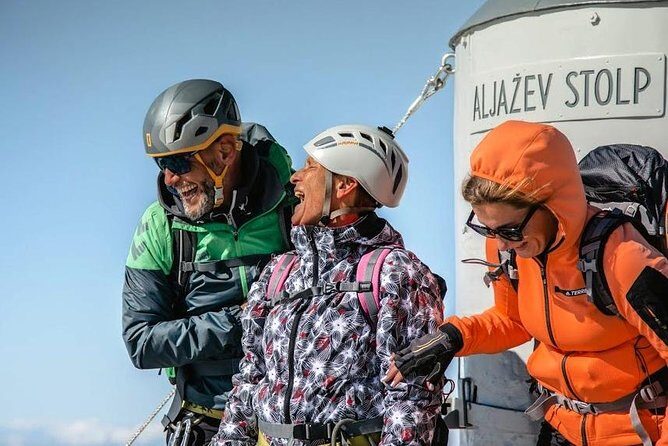
Day 1 is your foundation day. You’ll climb for roughly 5–7 hours, using the Krma Valley route, which is presented as the easiest route option for beginner mountaineers. That matters because Triglav can be more demanding depending on the route, and choosing the gentler line helps you focus on technique rather than survival.
By the end of the day, you reach Triglavski dom for the night. This hut stop is more than a place to sleep—it’s the “reset button” that makes the second day possible. You’re moving from a longer climbing block into the via ferrata push, so getting rest at the hut helps your legs and your decision-making.
One drawback with any overnight mountain hut is the cost and the pacing. The hut accommodation is not included, and it’s listed at around 65 EUR per person with half-board. That price can feel like a surprise if you only budget for the tour ticket, so I’d treat it as part of the real trip cost.
What I like about this Day 1 design is that you get time on the mountain before the most technical part. You’re not thrown into wires immediately; you build confidence as the day goes on, then sleep and tackle the harder climbing segment with a clearer head.
Day 2: via ferrata on the hardest part, then summit views
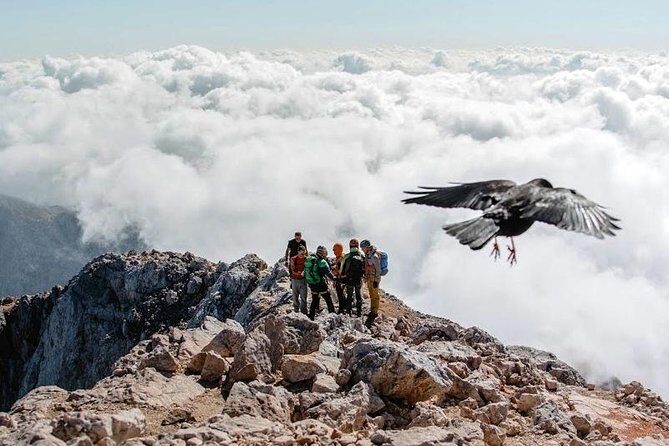
If Day 1 is about getting high enough, Day 2 is about getting through the hardest section. The trip description is direct: the second day includes the via ferrata segment, and that’s where you’ll do the most challenging work of the ascent.
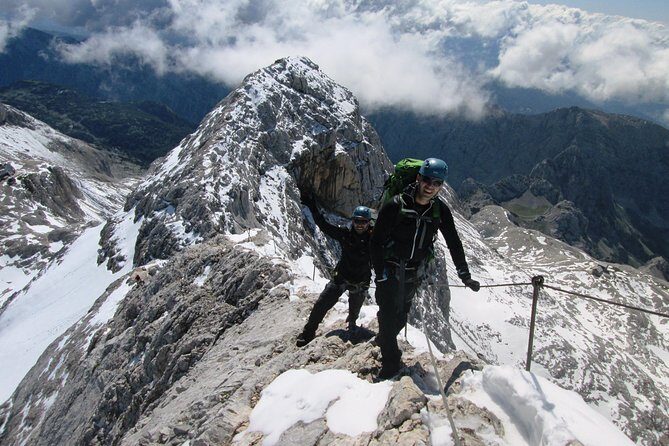
Via ferrata is a specific kind of climbing—there are cables and fixed anchors (wires and pitons), so the system is safer than free climbing, but it still demands steadiness, proper gear use, and calm movement. That’s why the included equipment matters. The trip provides the helmet, harness, and rope, so you don’t have to source climbing-specific gear before you arrive.
This is also the day where the reward shows up. The summit views are described as extraordinary, and with a top at 2,864 meters, you can expect wide, dramatic sightlines if the weather cooperates. The key here is timing and conditions: this experience requires good weather, so your best views depend on your day matching the forecast window.
Also, keep your energy management realistic. You’re dealing with a technically harder section plus summit time. Even if you’re fit, you’ll want to move efficiently and avoid unnecessary stops while you’re on the wired sections.
What’s included vs. what you’ll pay for: a value reality check
Let’s talk money in a clear way. The listed price is $438.51 per person, and that covers the guided group experience plus some key essentials:
- Group equipment: rope, harness, helmet
- Transportation from the meeting point to the start of the trip
That’s a fair start. The big missing pieces are the ones that often matter on a mountain trip:
- Accommodation at Triglavski dom (around 65 EUR per person with half-board)
- Meals (breakfast, lunch, dinner)
When a tour excludes meals and hut lodging, the value hinges on how you handle the extras. In this case, you should budget for the hut half-board cost and plan your meals around what the hut provides (since breakfast/lunch/dinner are listed as not included). If you’re the kind of person who already carries snacks and drinks for hikes, this will feel manageable. If you prefer full-board convenience, it will feel more like you’re assembling your own mountain “package.”
The good news: the tour does provide the high-cost climbing gear you’d otherwise need to rent or buy. That’s not just convenient—it reduces hassle right before a technical climb.
Transportation, timing, and the small-group advantage
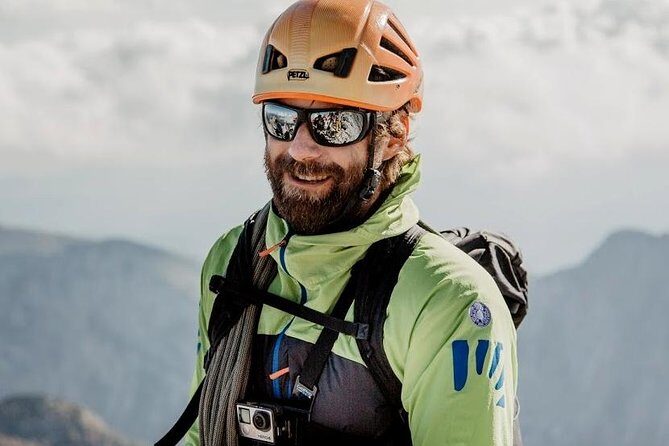
You start at 8:00 am from Prešernova cesta 68, and you return to the meeting point at the end. That round-trip structure is helpful because it lets you plan your Bled day around one clear morning start and not worry about getting back to town.
The trip also lists that it’s offered in English and that it uses a mobile ticket. Add in the fact that it has a maximum of 4 travelers, and you get a climbing experience that feels more controlled than large group hikes.
Small group size is not just a comfort perk. On a via ferrata day, things go better when you’re not constantly waiting. Fewer people also makes it easier for guides to monitor how you’re handling the rope/harness system and how you’re pacing on the steep, technical section.
Confirmation is said to arrive within 48 hours depending on availability, so if you’re booking last-minute, this is the kind of activity where you may get an answer quickly. (One review even highlights being added very last minute, though you still shouldn’t count on that timing.)
Gear checklist that will keep you moving (and feeling safe)
Even with rope, harness, and helmet provided, you still need to show up ready for cold and wet conditions. The trip lists specific items to bring:
- Mountaineering boots
- Warm layers (fleece, etc.)
- Waterproof jacket and trousers
- Gloves
- Hat
- Sunglasses and sunscreen
- Trekking poles
- Backpack around 30 L
- Water bottle and snacks
Here’s how I’d think about that list. Your boots matter because you’ll be on steep ground for hours. If your footwear isn’t built for uneven surfaces, your feet will pay the price. Waterproof outer layers aren’t optional-style advice either. Mountain weather changes fast, and damp fabric makes you colder quickly.
Gloves and a hat sound basic until you’re actually climbing high and exposed. You’ll want them to manage wind and temperature drops. Sunglasses also aren’t just for looks; higher altitudes and bright conditions can be harsh.
One practical tip: bring snacks you know you’ll eat while you’re focused on effort. A climb day is not the time to experiment with foods that disagree with your stomach or energy.
Who should choose this Triglav trip (and who might not)
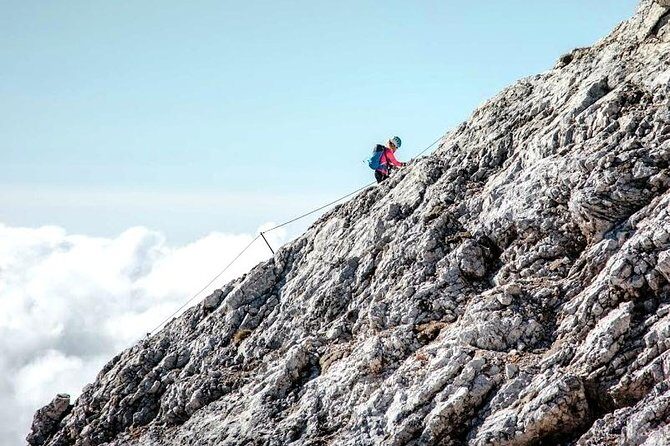
This climb is framed as a great option for beginner mountaineers because the route is the easiest route to the summit (Krma Valley). That doesn’t mean it’s casual—it means the structure helps you learn while still chasing a real summit.
You should consider this if:
- You have moderate physical fitness
- You want an organized, guided experience with real climbing structure
- You’re okay with paying extra for hut lodging and meals
- You’d rather climb as part of a small group than go private
You might want to rethink if:
- You’re uncomfortable with exposed, technical climbing (because Day 2 includes via ferrata)
- You’re not ready to dress for cold and wet weather
- You dislike the idea of overnight costs and planning for food
Solo travelers often like this type of group setup because you get guidance and gear, and you’re not doing the planning alone. But the maximum group size also makes it feel like a tight team, not a crowded tour.
Guides and safety: what the reviews highlight most
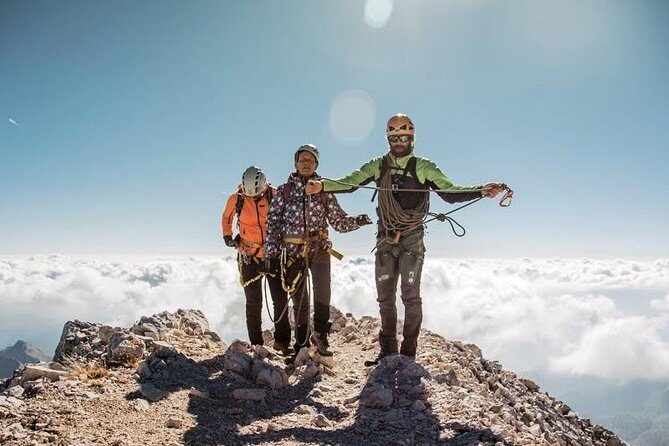
The clearest praise from the feedback is about the guides. Matej and Rok are described as knowledgeable and professional, and one of the standout themes is expert risk management. On a climb like Triglav, that kind of guidance isn’t a nice-to-have; it’s the difference between feeling in control and feeling unsure.
That safety focus also matters because via ferrata is equipment-assisted climbing—you still need to trust the system, the pacing, and how you move through the wired section. When guides are calm and risk-aware, your job is simpler: you follow instructions, you move steadily, and you don’t second-guess every step.
So even though this is a beginner-oriented route, treat it like real climbing. Show up on time, use your gear correctly, and ask questions early when you have them.
Should you book Mount Triglav with this Bled group trip?
I’d book it if your goal is a guided path to Slovenia’s top peak that balances beginner accessibility with genuine mountaineering work. The combination of two days, an easier route choice on Day 1, and via ferrata on Day 2 gives you a full climb story, not a half-day hike.
Before you hit confirm, do two checks:
1) Budget for the extras. The hut is about 65 EUR per person with half-board, and meals aren’t included in the tour price.
2) Match your gear and comfort level to the technical day. If waterproof layers, gloves, and mountaineering boots are missing from your packing, you’ll feel it.
If you want a small group with included climbing gear and guided support—led by Matej and Rok—this is a strong value option, especially for solo travelers who don’t want to go private.
FAQ
How long is the Mount Triglav climb from Bled?
The trip lasts 2 days (approx.), starting at 8:00 am and ending back at the meeting point.
What’s the meeting point and start time?
You meet at Prešernova cesta 68, 4260 Bled, Slovenia, with a start time of 8:00 am.
What equipment is provided?
The group provides climbing equipment: rope, harness, and helmet.
Are accommodation and meals included?
No. Accommodation at Triglavski dom costs about 65 EUR per person with half-board, and meals are not included.
What fitness level do I need?
You should have moderate physical fitness. Day 1 includes about 5–7 hours of climbing, and Day 2 includes the via ferrata section.
What happens if the weather is bad?
This experience requires good weather. If it’s canceled due to poor weather, you’ll be offered a different date or a full refund.