REVIEW · LJUBLJANA
Idrija Half Day Excursion: UNESCO Town including Castle and Mine Tour from Ljubljana
Book on Viator →Operated by ljubljana.today · Bookable on Viator
Idrija turns science into a story you can walk through. On this half-day trip, you’ll head out from Ljubljana for the UNESCO-linked mercury mining world and then wrap up at Gewerkenegg Castle for Idrija lace and mine-history exhibits. It’s a tight schedule, but the payoff is big: you don’t just hear about mercury—you see how people lived with it.
Two things I really like here are the small-group feel and the way the guide makes the details make sense. You’ll travel with an English-speaking chauffeur/guide, then get a real guided visit underground (including Anthony’s Shaft and the Holy Trinity chapel).
One consideration: the mine tour goes below ground, so it’s not recommended for claustrophobia. If you’re sensitive to enclosed spaces or low light, this probably isn’t your best fit.
In This Review
- Key highlights you’ll actually feel
- Why Idrija is worth a half day from Ljubljana
- Getting there by car: the pickup that keeps your day intact
- Rudnik Zivega Srebra Idrija: Anthony’s Shaft and the underground Holy Trinity chapel
- Gewerkenegg Castle: where 500 years of mercury meets 300 years of lace
- How the guide ties it together (Milan is a big reason people rave)
- Price and timing: is $159.70 worth it?
- Who this tour suits best (and who should skip it)
- Quick practical tips before you go
- Should you book this UNESCO Idrija half-day from Ljubljana?
- FAQ
- How long is the Idrija half-day excursion?
- What does the tour include?
- Is pickup offered from Ljubljana hotels?
- How long do you spend at the mercury mine?
- How long is the castle visit?
- Is this tour suitable for children?
- Can I cancel for a full refund?
- Is the tour offered in English?
Key highlights you’ll actually feel
- Small group max 8 so questions don’t vanish into the crowd
- Hassle-free pickup and drop-off from central Ljubljana hotels/hostels
- Mercury mine guided tour with time in the tunnels and underground chapel
- Gewerkenegg Castle exhibitions on the 500-year mine story and Idrija lace
- Idrija lace craft still tied to local products for everyday items and accessories
- Guides like Milan help connect the region’s history to what you’re seeing
Why Idrija is worth a half day from Ljubljana
If you only have a short window, Idrija is one of the best day-trip picks from Ljubljana because it mixes two very different parts of Slovenian life: heavy industry and delicate craft. Idrija’s name is tied to mercury mining that stretches back to the 15th century, and the UNESCO connection is more than a slogan—it shapes the town.
You’ll start to understand why this mattered by hearing the long arc of the story, including a legend about how a bucket maker spotted liquid mercury in a spring in 1492. That’s the same year Columbus set sail, which helps the timeline click. Idrija didn’t just make local headlines either: Almadén in Spain was the only bigger mercury operation, and both towns became famous enough that their names showed up in North America as New Idria and New Almadén in mining towns in California.
The other reason Idrija works in a half day: you finish with Gewerkenegg Castle, where the emphasis shifts from underground mining to above-ground culture—especially Idrija lace. That contrast keeps the trip from feeling like a one-note museum stop.
You can also read our reviews of more tours and experiences in Ljubljana.

Getting there by car: the pickup that keeps your day intact
This is one of those tours where the logistics are meant to protect your time. You meet at City Hotel Ljubljana (Dalmatinova ulica 15) and travel with a driver, so you’re not wrestling buses, transfers, or timetables.
Pickup is complimentary for accommodation in Ljubljana within the ring and with the 1000 Ljubljana postal code. If your hotel sits in the pedestrian zone, you’ll be redirected to the nearest possible pickup point. I like this approach because it’s realistic—city-center access can be tricky—and it usually means you spend less time standing around.
Also, the group size tops out at 8 travelers. That’s small enough that the guide can pace the day instead of rushing everyone through like a checklist. In the real world, pacing matters a lot when you’ve only got about 5 to 6 hours total.
Rudnik Zivega Srebra Idrija: Anthony’s Shaft and the underground Holy Trinity chapel
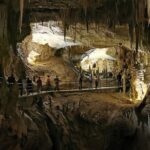
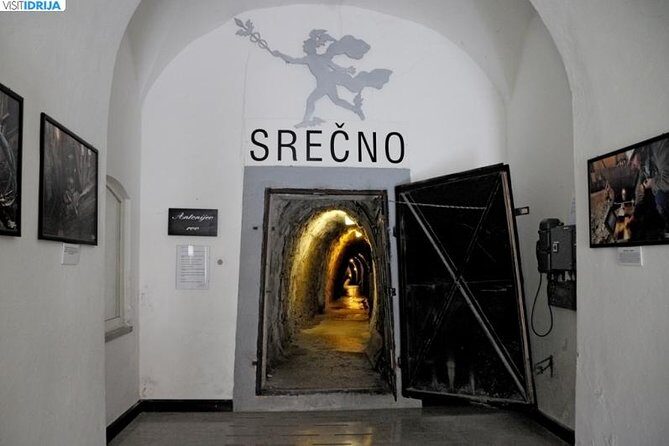
The mine stop is the main event, and it’s structured to help you understand what you’re looking at. You’ll head into the Rudnik Zivega Srebra Idrija underground area with a professional guide, starting with the descent connected to Anthony’s Shaft, dug back in 1500.
What I find smart is how the tour mixes explanation with physical experience. You’ll learn about mercury mining methods, and you’ll also see visual reminders of the work—there are life-size mannequins showing workers across different ages. That helps you picture how mining functioned day after day, not just as an industry headline.
You’ll also run into the material side of the story: hidden pockets of cinnabar ore and droplets of mercury are part of what you’re introduced to underground. Whether you’re into geology or not, seeing the connection between ore and the metal makes the science feel concrete, not abstract.
Then comes one of the more memorable moments: the mid-18th-century Chapel of the Holy Trinity underground. It’s not something you’d expect to find in a mining operation, and that surprise is exactly why the UNESCO aspect hits harder. It’s a reminder that even in difficult conditions, people still carved out places for community and faith.
Timing here is about 1 hour 30 minutes, and the fact that it’s a guided visit matters. Mines can be confusing if you’re just wandering. Having a guide who can point out what you’re seeing keeps the underground time useful rather than exhausting.
Practical note: this tour is not recommended for claustrophobia. If you know you react badly to enclosed spaces, don’t gamble on willpower. The mine tour is part of the core experience, so you’d want another option.
Gewerkenegg Castle: where 500 years of mercury meets 300 years of lace
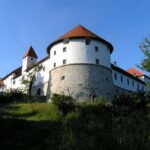
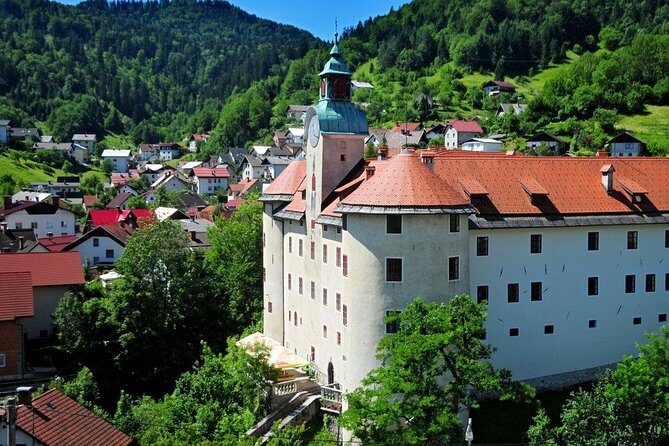
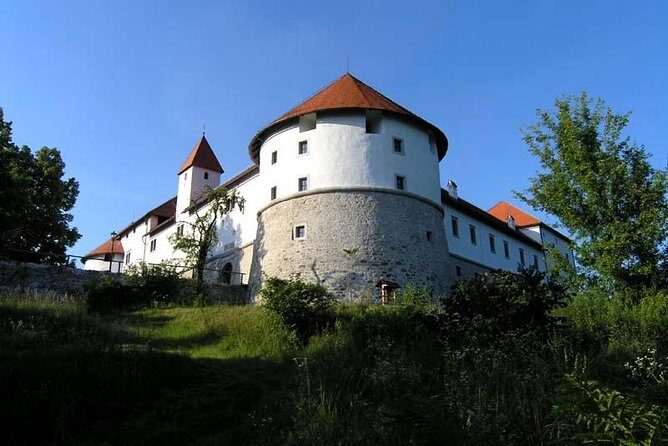
After the mine, the atmosphere shifts. You’ll head to Gewerkenegg Castle, which literally signals its purpose: in German, mine castle. The castle itself dates to the period from 1522 to 1533, so even before you reach the exhibits, you’re stepping into a building tied to the mining era.
Inside, the museum/exhibitions focus on two themes that belong together in Idrija’s story.
First is the mercury mine operation over roughly 500 years. You’ll get an impressive retrospective of how the mine functioned and how long it shaped the town.
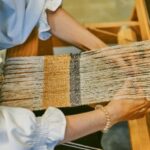
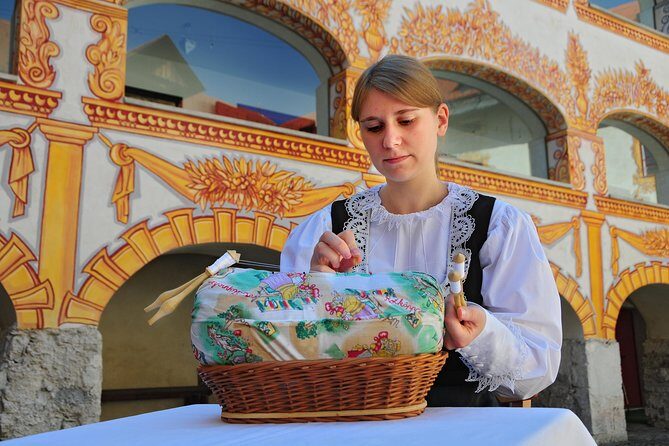
Second is Idrija lace, which I think is the more surprising half if you’ve only ever heard of Idrija as a mining place. Lace-making has been central for more than 300 years, and the castle exhibitions reflect that with a look at the craft and its history.
Idrija lace isn’t just a pretty souvenir idea here. It’s connected to actual products—cloths and napkins, curtains and bed linen, clothing and ornaments, and even accessories like earrings, necklaces, and gloves. That variety helps you understand why lace mattered economically and socially, not just artistically.
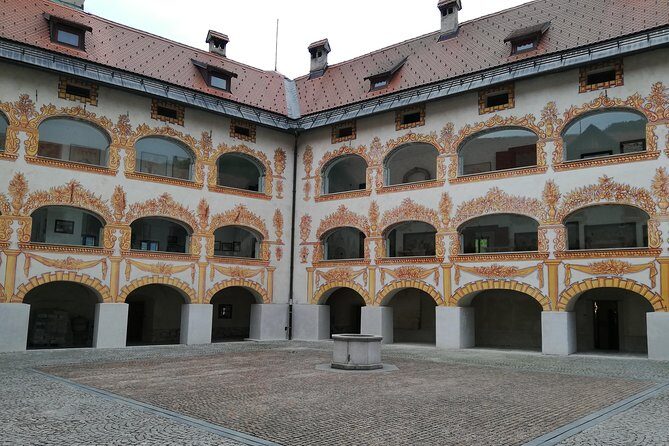
The castle courtyard is also described as beautifully decorated, which gives you a nice reset after the mine. The stop lasts about 45 minutes and includes admission, so you’re not left wondering whether you’re getting enough time for both museums and photos.
A small drawback to consider: since it’s a half-day schedule, the castle visit is focused. If you’re the type who wants to linger for an hour and read every panel slowly, you might feel time pressure. If you’re happy with guided highlights and quick context, you’ll probably love it.
How the guide ties it together (Milan is a big reason people rave)
One thing that comes through clearly is how much the guide matters. English-speaking chauffeur-guides don’t just drive you—they explain what you’re seeing and connect it to the broader region.
In the feedback you shared, Milan comes up repeatedly. People highlight how he explained the regional context and also used the underground setting to make the mining life feel real. In other words, he isn’t just reading facts off a sign—he helps you connect the history to the physical tour.
The guide also helps bridge big-picture comparisons. You’ll hear the contrast between Idrija and Almadén in Spain, and you’ll get a sense of why those names echoed across continents into places like New Idria and New Almadén in California. That turns the UNESCO story into something bigger than one Slovenian town.
One more detail worth mentioning: one guide-led highlight noted was a culinary experience connected to Indigra pasta. That’s the kind of small add-on that can make a half-day tour feel more memorable, because it gives you something local to taste rather than only look at.

Price and timing: is $159.70 worth it?
Let’s talk value in practical terms. At $159.70 per person (about a half-day), you’re paying for more than a ride out of Ljubljana.
What you’re getting included is key:
- Transport with a driver and small-group pacing
- An English speaking chauffeur guide
- A guided mercury mine tour with admission
- A Gewerkenegg Castle museum entrance fee with admission
That’s the big win. Many day trips either skip admissions to look cheaper, or you end up paying for individual tickets and then lose time dealing with them on arrival. Here, the structure includes both major ticketed components.
Also, the duration is tight but realistic for first-timers: mine time plus castle time plus travel usually lands in the 5 to 6 hour range. In a short visit to Slovenia, that kind of schedule is a gift. You get a high-information route without turning the day into a logistics marathon.
Is it expensive compared with some casual tours? Yes. But if your top priority is UNESCO-style depth and you want guided access to the mine (not just a bus stop photo), it’s the right category of spend.
Who this tour suits best (and who should skip it)
This is a strong choice if you:
- Want a guided UNESCO-linked experience without planning transfers
- Enjoy history that becomes physical—especially through an underground tour
- Like crafts and local culture, not just one museum theme
- Prefer small groups (max 8) where you can actually ask questions
It may not be ideal if you:
- Have issues with claustrophobia, because the mine tour is a core part of the day
- Travel with very young kids: children below 4 years aren’t allowed to participate in the mine tour
If you’re on the fence, focus on what you can tolerate. The castle is straightforward. The mine is the variable. If you can handle enclosed spaces, the rest becomes a smooth, structured half-day.
Quick practical tips before you go
Here are the things I’d do to make the day smoother based on how the experience runs:
- Confirm pickup details in advance: your exact pickup point is reconfirmed within 24–48 hours before the tour, and pickup is only complimentary if you provide the full accommodation address.
- Provide a mobile number that works internationally (or the accommodation phone number) so reconfirmations can reach you.
- Plan your expectations for time: mine first, then castle. It’s built for highlights, not slow browsing.
- For the mine visit, be honest about comfort. If you’re close to claustrophobic, don’t push it.
Should you book this UNESCO Idrija half-day from Ljubljana?
I’d book it if you want a half-day that actually teaches you something. The mine and the castle don’t feel like two random stops—they connect into a single story about Idrija: mercury shaped the town, and lace became one of the enduring cultural answers to what that industry created.
I would skip it if the idea of spending time underground sounds stressful. The tour isn’t vague; it’s a real mine tour with conditions that can be challenging if you’re claustrophobic.
If you’re curious, enjoy guided history, and like the idea of seeing both an underground industrial site and Idrija lace culture in one day, this is an easy yes.
FAQ
How long is the Idrija half-day excursion?
It runs about 5 to 6 hours total.
What does the tour include?
You get transport, an English speaking chauffeur guide, a guided mercury mine tour, and Gewerkenegg Castle museum entrance.
Is pickup offered from Ljubljana hotels?
Yes. Pickup is offered from City Hotel Ljubljana and complimentary pickup can be arranged for accommodations in Ljubljana within the ring or with post number 1000 Ljubljana.
How long do you spend at the mercury mine?
The mine visit is about 1 hour 30 minutes, and it includes an admission ticket.
How long is the castle visit?
The Gewerkenegg Castle stop is about 45 minutes, and it includes an admission ticket.
Is this tour suitable for children?
Children below 4 years are not allowed to participate in the mine tour.
Can I cancel for a full refund?
Yes, you can cancel for free up to 24 hours in advance for a full refund.
Is the tour offered in English?
Yes, it is offered with an English speaking chauffeur guide.