REVIEW · LJUBLJANA
Slovenia: Belokranjska Pogača Cooking Class
Book on GetYourGuide →Operated by Polak Tomaž · Bookable on GetYourGuide
Bread you shape with your own hands. I love the hands-on kneading and shaping of Belokranjska Pogača, and you get a real cultural context from Luka, not just a recipe. Possible drawback: the meeting point is a small square with a broken fountain, and it can feel a bit tricky at first.
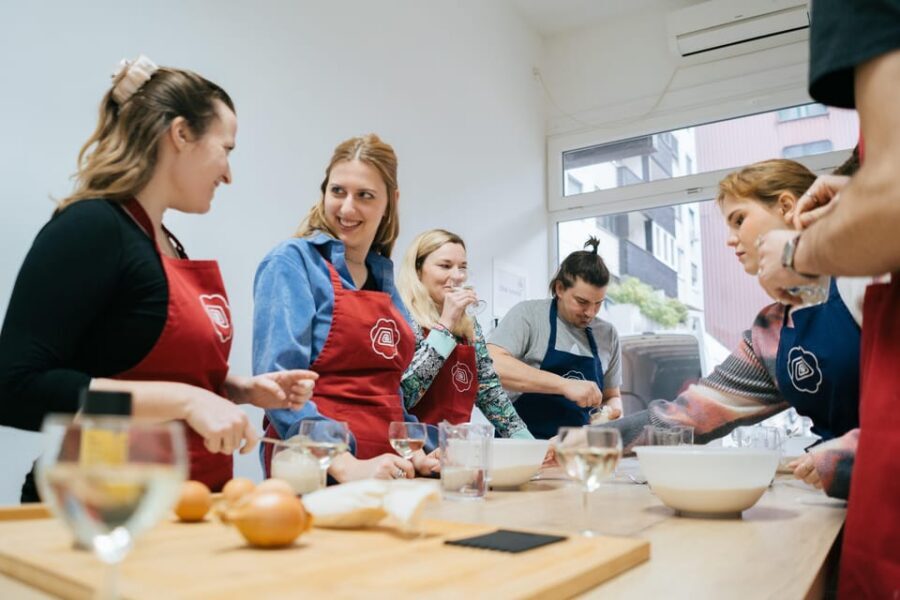
This is a 2-hour class in a cozy kitchen with a small group (max 10), and Luka’s English is strong enough to make the conversation easy. If you like tasting what you make, plus hearing how Bela Krajina traditions show up in food, this one is hard to beat.
In This Review
- Key highlights worth planning for
- Belokranjska Pogača in 2 Hours: what you make and why it’s special
- Meeting point near the broken fountain: how to find the shop fast
- The kitchen flow: history first, then knead, shape, and bake
- Luka’s teaching style: clear steps, warm hosting, and great conversation
- What you’ll eat and drink: the payoff is warm, herb-forward, and personal
- Price and value: is $53 for 2 hours worth it?
- Group size and private options: small feels personal
- What to plan before you go (so the class feels easy)
- Who should book this class, and who might skip it?
- Should you book the Belokranjska Pogača cooking class?
- FAQ
- How long is the Belokranjska Pogača cooking class?
- What is the group size?
- What languages does the instructor speak?
- Is the class wheelchair accessible?
- What’s included in the price?
- Where is the meeting point and are there parking tips?
- What’s the cancellation policy and payment options?
Key highlights worth planning for
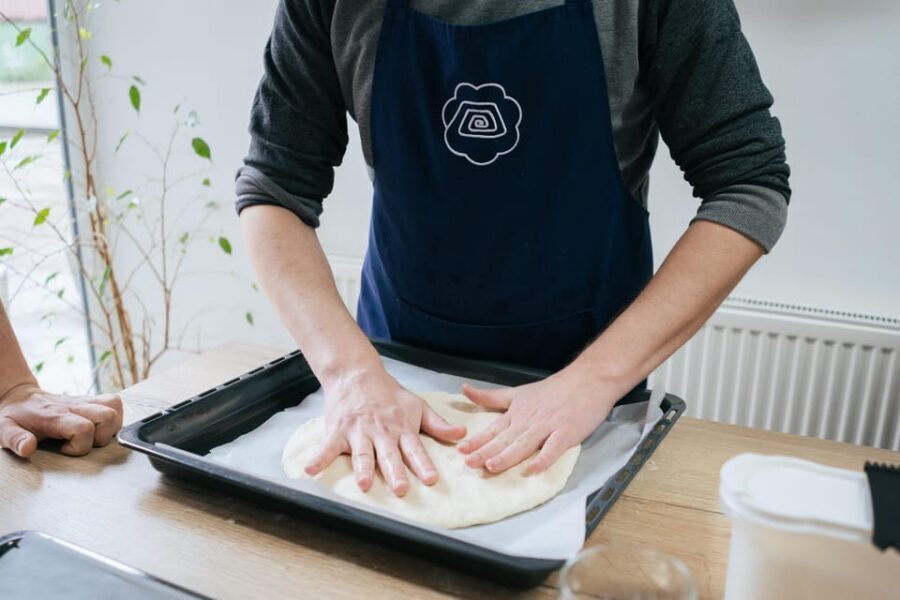
- Knead, roll, and shape the dough step-by-step with expert guidance
- Belokranjska Pogača culture explained, including why it matters to Bela Krajina traditions
- Wait for the yeast and watch the dough rise before baking
- Bake + taste your own loaf, warm and freshly made
- Luka’s easy English and friendly hosting that suits families too
- Drinks included, with Slovenian wine mentioned in the experience
Belokranjska Pogača in 2 Hours: what you make and why it’s special
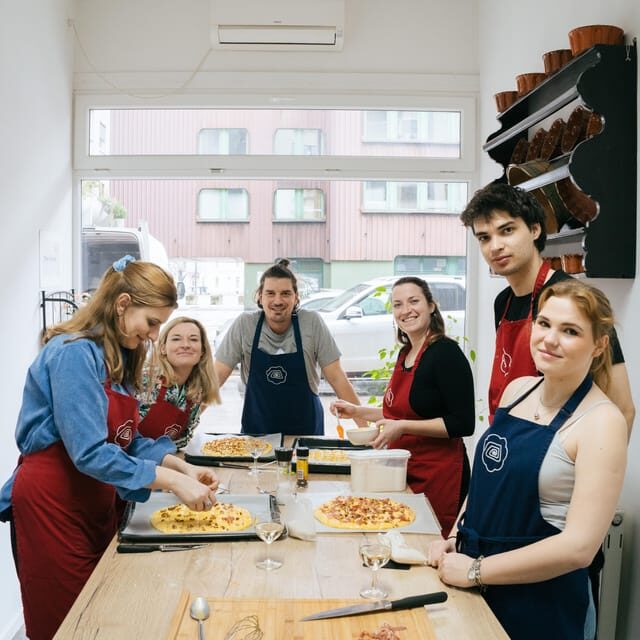
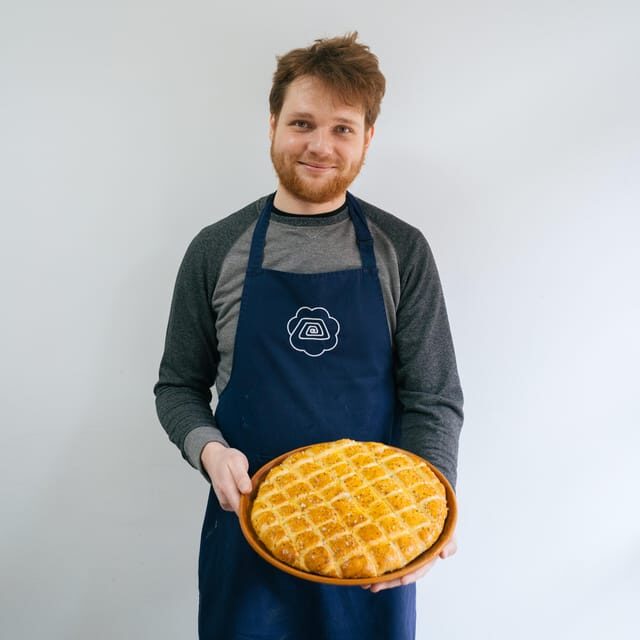
A cooking class is only worth your time if you leave with something real. Here, you actually form the dough yourself—then you bake and taste your Belokranjska Pogača. It is not bread-making theatre. It is practical baking with clear steps, so you can walk away feeling like you can repeat it at home.
The bread itself matters because it ties to the Bela Krajina region. This isn’t just a random loaf. You learn that Belokranjska Pogača is a traditional savory bread passed down through generations, and it carries meaning around unity, celebration, and everyday togetherness. That context changes how you approach the class. When you understand what the bread represents, you pay closer attention to the texture, shape, and the herb-forward flavor you’ll notice in the final bite.
You can also read our reviews of more cooking classes in Ljubljana


Meeting point near the broken fountain: how to find the shop fast
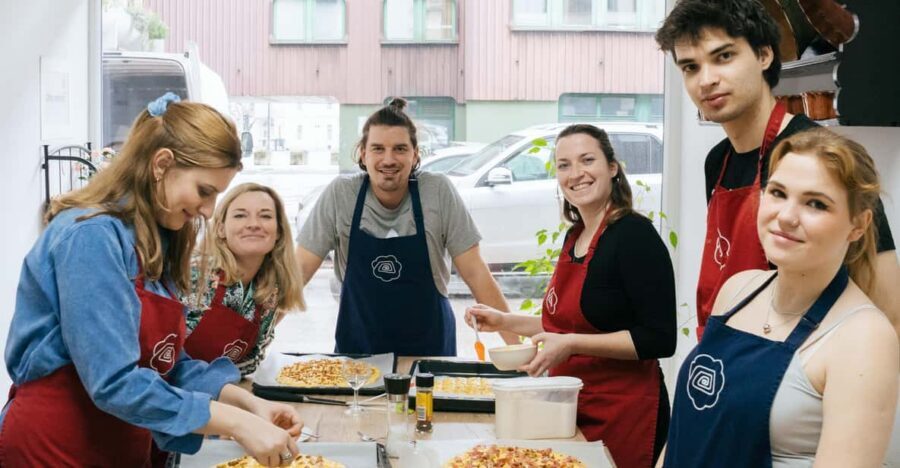
The directions you’re given are very specific, which is good. The trick is that they sound like a scavenger hunt until you see it in person.
Plan to look for:
- A small square surrounded by buildings
- A broken concrete fountain in the middle
- A route that either takes you past a Chinese restaurant near the old church, or through a small passageway in the building near the bus stop
- A shop with a big clear window (that window is your landmark)
If you’re coming by public transport, one review notes the location is easy to reach from the city centre by bus. If you’re driving, you’ll want to think about timing. Parking in the afternoon may require a quick message to Luka on WhatsApp for help, while in the morning there are free parking spots on the platform behind the building.
My practical advice: arrive 10 minutes early the first time. With food classes, being on time makes everything smoother, and you’ll get started without stress.
The kitchen flow: history first, then knead, shape, and bake
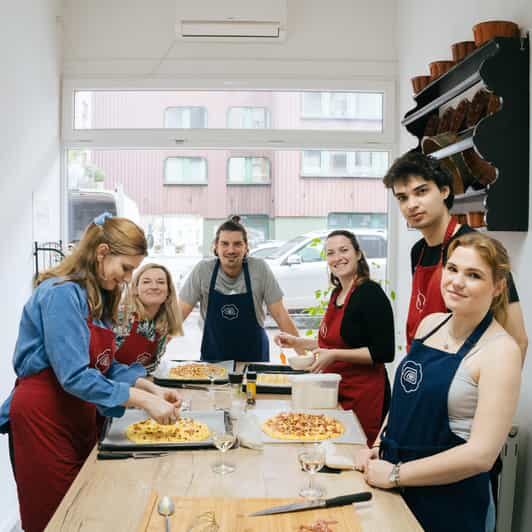
The class runs for about 2 hours, so the rhythm is tight. You start with an introduction that covers the history and cultural significance of Belokranjska Pogača. Then you move from story to hands-on baking.
Here’s what the session typically feels like, in the order you’ll experience it:
1) Welcome + context
You’ll hear where Belokranjska Pogača comes from and why people made it that way for generations. This matters because it turns the loaf from a novelty into a tradition. You’ll also learn what to watch for as you work with the dough.
2) Hands-on dough work
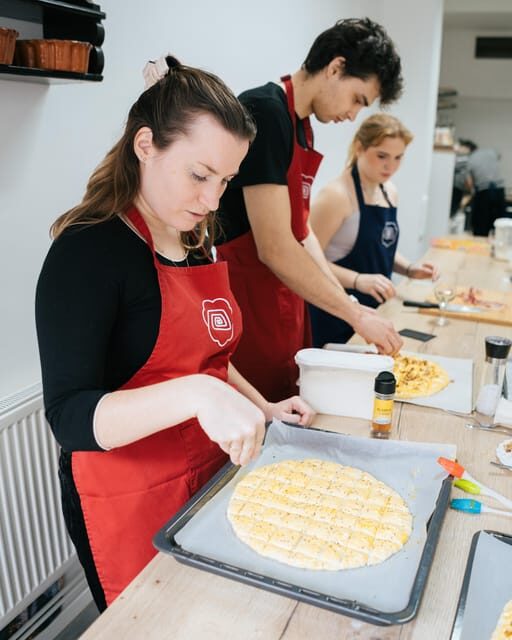
You get guided practice—kneading, rolling, and shaping. The teaching style is very step-by-step, with an instructor who explains clearly enough that you can follow along without guessing. One of the standout parts from the experience is that the process is explained in a way that makes you feel like an accomplished baker, even if you’re new to bread.
3) Yeast time and dough rise
You do more than just shape the dough and walk away. You wait for the yeast to prove and the dough to rise, then you bake it. That waiting period is part of the learning curve, and it also slows the whole experience down so you can enjoy it rather than rushing.
4) Bake to golden perfection + taste
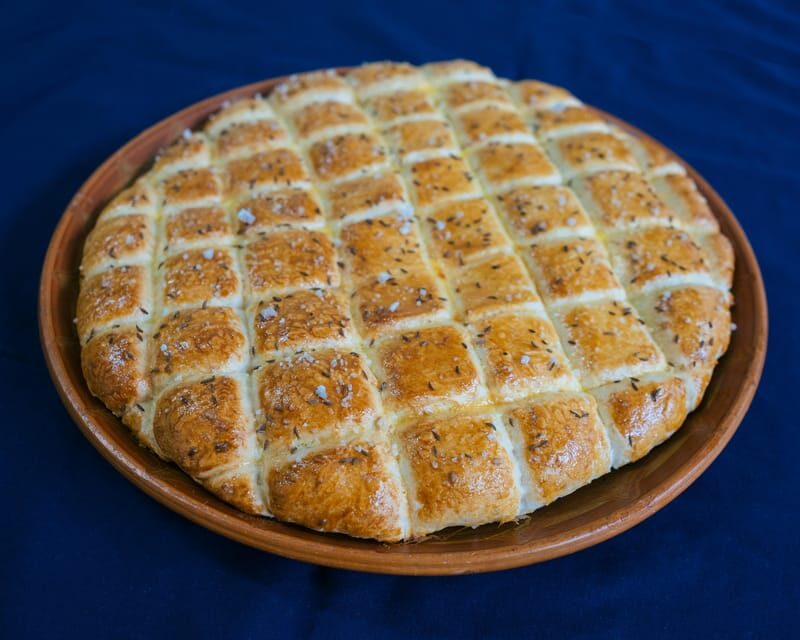
When the pogača comes out, you get to eat what you made. The flavor profile described is earthy herb notes with a soft interior and a crust that’s warm and inviting.
This structure is valuable because it covers the two things people often miss in cooking classes: technique and timing. You learn how to work the dough, and you see how dough changes as it rests.
Luka’s teaching style: clear steps, warm hosting, and great conversation
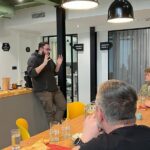
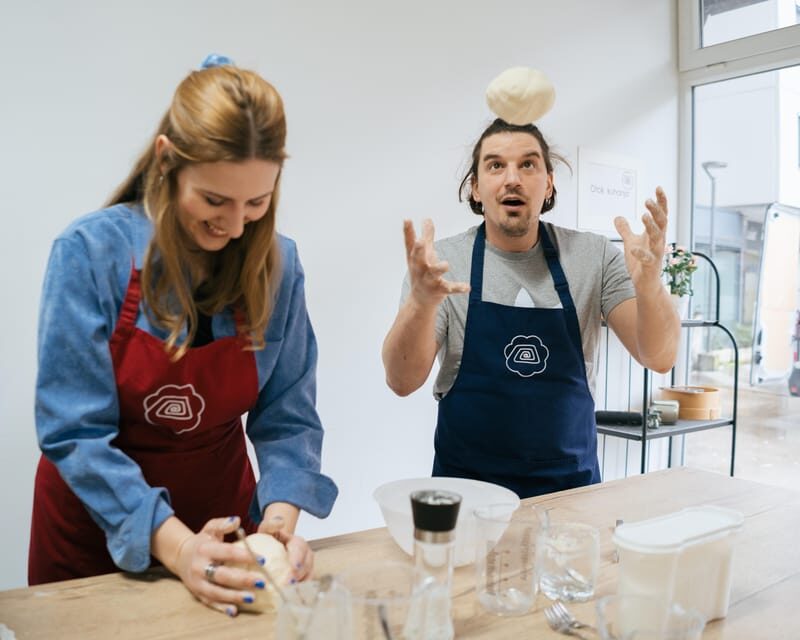
The class credit really goes to the host and instructor, Luka. In the reviews, his strengths show up again and again: he’s warm, welcoming, and good at explaining each step so you don’t feel lost.
A few details that make a difference:
- Clear explanations: you can follow the process closely, not just watch it happen
- Excellent English: it’s easy to talk during the downtime, not only listen
- More than bread: he shares information about Slovenia, its people, and the setting you’re learning from
- Family-friendly energy: one parent noted Luka knows how to handle kids and adolescents, which is a big deal if you’re booking for a birthday trip
If you want an activity where the conversation is part of the value, not an awkward add-on, this class fits the bill.
What you’ll eat and drink: the payoff is warm, herb-forward, and personal
The biggest reward is the simplest: you eat a loaf that came from your own hands.
You’ll get to taste your Belokranjska Pogača fresh from the oven. The description of the flavor includes herb notes and a soft texture. That makes sense for a savory bread, and it’s also why the tasting part matters. Many classes teach technique but don’t give you a meaningful bite afterward. Here, you do.
Drinks are offered too. One review specifically mentions Luka sharing Slovenian wine while the dough proofs and the bread bakes. That means you’re not just waiting in silence—you’re hanging out in a real kitchen with a host who keeps things moving.
A few more Ljubljana tours and experiences worth a look

Price and value: is $53 for 2 hours worth it?
At $53 per person for a 2-hour class, the honest value question is what’s included—and here it’s not just instruction.
You’re paying for:
- A hands-on cooking class with expert guidance
- An introduction to the history and cultural significance
- Ingredients and equipment
- The chance to bake and taste your own Belokranjska Pogača
For many people, bread-making at home costs money too, especially once you count ingredients you don’t already have plus the time you’d normally need to figure out technique. This gives you ingredients, tools, and coaching in one place, plus the cultural story that turns it into more than a snack-making session.
Could it be cheaper? Maybe. But you’re also getting the host’s time, the kitchen setup, and the satisfaction of leaving with something you made. For a focused, small-group activity, $53 feels reasonable.
Group size and private options: small feels personal
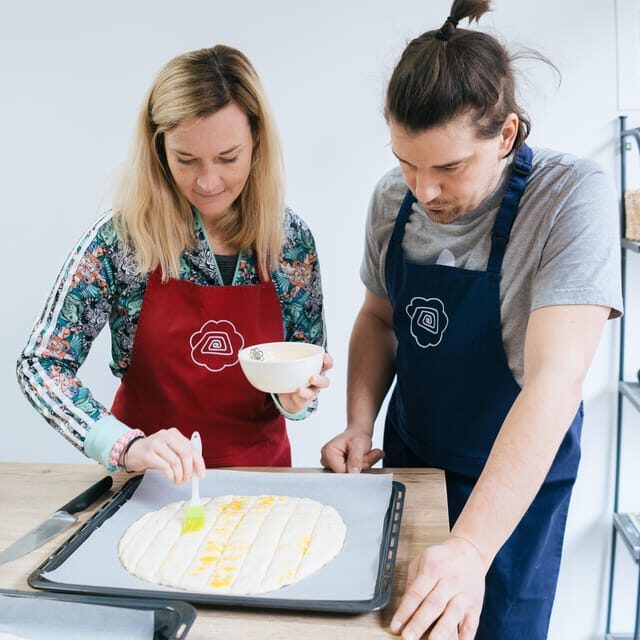
This is a small group class limited to 10 participants. That size matters because it supports real coaching—someone can actually correct your shaping or show you how the dough should feel.
One review also mentions a private class when a parent booked as a surprise. That suggests you might get a more personal experience if you’re booking at a quieter time or with fewer people.
If you dislike crowded classes or you want questions answered in plain language, this format is a good match.
What to plan before you go (so the class feels easy)
You don’t need special skills to join, but you should set yourself up to enjoy it:
- Wear comfortable clothes. You’ll be working with dough, so flour on your outfit is always possible.
- Plan your timing around the 2-hour block. This isn’t a long excursion with stops. The value is in staying present.
- If you’re coming by car, remember the afternoon parking note: call Luka on WhatsApp for help.
- If you’re going by bus, give yourself a few extra minutes to find the broken-fountain square and the shop with the big clear window.
Also, if you want the conversation side of the experience, arrive a touch early. A few minutes at the start lets you settle in before the first lesson begins.
Who should book this class, and who might skip it?
This class is a great fit if you:
- Want an authentic Slovenian food experience tied to Bela Krajina
- Like hands-on learning more than watching from the sidelines
- Enjoy cooking classes where you also get cultural context
- Book activities for families, including kids or teens, and want a host who can handle different ages
You might consider skipping if:
- You prefer highly structured, studio-style cooking classes with no conversation and minimal wait time
- You dislike anything bread-related, including yeast proving and dough rising time
For most people, the balance is right: you get instruction, you do the work, and you end with a delicious result.
Should you book the Belokranjska Pogača cooking class?
I’d book it if you want a meaningful, practical souvenir you can eat the same day and recreate later. The combination of hands-on baking, a host like Luka who explains clearly in English, and the cultural story connecting the bread to Bela Krajina makes the price feel grounded.
The only real reason to hesitate is logistics on first arrival. If you arrive a bit early and follow the broken fountain + clear window directions, that’s not a deal-breaker. For many food-focused trips in Slovenia, this is the kind of class that leaves you with both a full stomach and a skill you can actually use.
FAQ
How long is the Belokranjska Pogača cooking class?
The class lasts 2 hours.
What is the group size?
It is a small group limited to up to 10 participants.
What languages does the instructor speak?
The instructor speaks English and Slovenian.
Is the class wheelchair accessible?
Yes, the class is wheelchair accessible.
What’s included in the price?
You get a hands-on cooking class with seasoned expert guidance, an introduction to the bread’s history and cultural significance, and all necessary ingredients and cooking equipment. You’ll also bake and taste your own Belokranjska Pogača.
Where is the meeting point and are there parking tips?
Meet in a small square surrounded by buildings with a broken concrete fountain. You’ll either pass a Chinese restaurant near the old church or go through a small passageway near the bus stop. Look for the shop with a big clear window. For afternoon parking, call Luka on WhatsApp for help; in the morning, there are free parking spots on the platform behind the building.
What’s the cancellation policy and payment options?
There is free cancellation up to 24 hours in advance for a full refund. You can also reserve now and pay later.