REVIEW · LJUBLJANA
Ljubljana: Secrets of the Old Town & Ljubljana’s people
Book on GetYourGuide →Operated by Blue Guides · Bookable on GetYourGuide
Ljubljana’s old streets feel like a storybook. This walk-style tour connects the fairy-tale alleys to real events, from Roman-era hints to what changed after a big earthquake. I like that it’s not just landmarks, it’s a guided sense-check of how the city works, especially around water and bridges.
Two moments really sold me on the experience: the way the guide explains the city’s famous Dragon Bridge and bridge-and-water system, and the stop-and-explain approach at squares and key buildings like the cathedral and the main civic spaces. You also get a strong culture thread, with famous Slovenians brought to life through stories tied to “old money” imagery.
One thing to keep in mind: it’s a 2-hour walk, so you’ll want comfortable shoes and a pace you can sustain without rushing the photos.
In This Review
- Key highlights worth your attention
- Starting at MESTNA HIŠA: where your Ljubljana story begins
- Ljubljana’s bridge obsession: water that explains everything
- From Roman traces to a city rebuilt after an earthquake
- The main square romance: poet story plus real civic life
- Central market stops that make the walk feel lived-in
- Secret tiny streets and the bridge trio: how to see Ljubljana differently
- The National library and City Hall: civic identity on display
- Price and value: is $58 for a 2-hour walk fair?
- Practical tips that make the tour smoother
- Who this tour is best for
- Should you book the Ljubljana Old Town Secrets tour?
- FAQ
- How long is the Ljubljana Old Town walking tour?
- Where is the meeting point?
- What is included in the price, and are entry tickets covered?
- What languages are available for the live guide?
- Is the tour wheelchair accessible, and can I book a private group?
- What should I bring, and what is not allowed?
Key highlights worth your attention
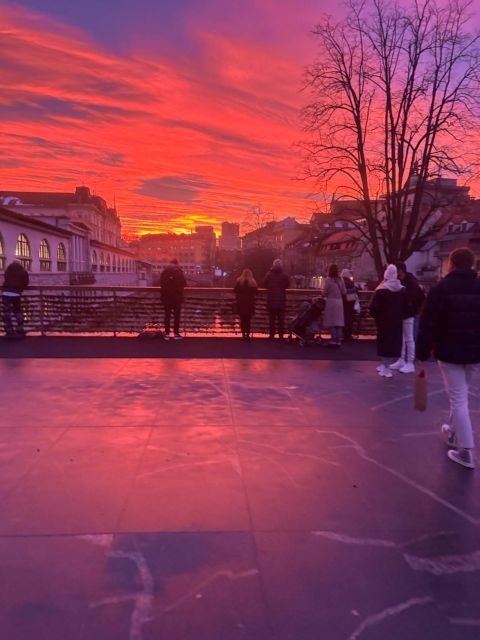
- Waterways that shape the whole city, from bridges to the fountain of three rivers
- Dragon Bridge and Butchers Bridge context, not just quick photo stops
- Major squares with story details, including a poet’s love story on the Main Square
- Central Market and local food stops, so you feel the city’s everyday rhythm
- A guide-led timeline, from Roman traces to the post-earthquake era
- Small turns like the secret tiny street, where Ljubljana feels most personal
Starting at MESTNA HIŠA: where your Ljubljana story begins
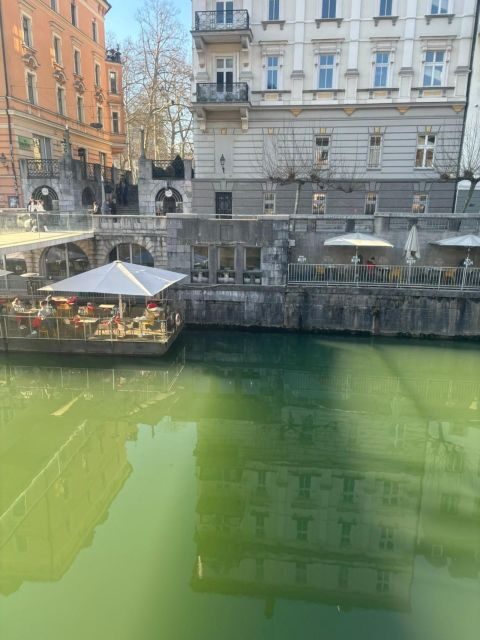
Your tour starts at MESTNA HIŠA on Trubarjeva cesta 4, a handy central landmark that makes it easy to orient yourself. If your booking lists a different option for meeting, the idea stays the same: you’ll begin right in the Old Town orbit, not at some far-off bus stop.
From the first minutes, the guide sets the tone: you’re going to walk, look up, and read the city in layers. The goal is practical. You’ll leave with a mental map of how the river, bridges, squares, and civic buildings tie together, so future wandering feels smoother instead of random.
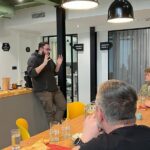
Also, this is the type of tour where the guide matters. When you get a guide like Arthur, the delivery can be full of passion, with details that make the streets feel like they’re talking back. When you get a guide like Klemen, the pacing tends to land just right: enough walking to see a lot, but not so much that you burn out halfway through.
You can also read our reviews of more tours and experiences in Ljubljana.

Ljubljana’s bridge obsession: water that explains everything
Ljubljana’s nickname as the green capital of Europe isn’t just marketing. In this tour, the guide turns that idea into something you can actually spot—especially around the river and the network of bridges.
You’ll spend time at the Dragon Bridge, the city’s most recognizable crossing. The important part isn’t only that it’s famous; it’s that the guide shows why this bridge belongs to Ljubljana’s identity. You’ll also see the bridges as part of a bigger system, not isolated attractions. That shift matters. Once you understand the water logic, you start noticing how routes, viewpoints, and public life follow the river.
Then come the other crossings, including the Butchers Bridge. Again, it’s not a checklist photo moment. You’ll connect the bridge to the city’s past street life—how people moved, where commerce sat, and why certain corners became gathering points over time. If you enjoy stories that explain how cities grew, this section tends to feel like the tour’s backbone.
You’ll also hit the fountain of three rivers. This isn’t just a landmark to glance at; it’s a cue that Ljubljana’s water story is deeper than “pretty canal photos.” You’ll understand what the rivers mean to the city’s layout and why the bridges keep reappearing throughout the walk.
From Roman traces to a city rebuilt after an earthquake
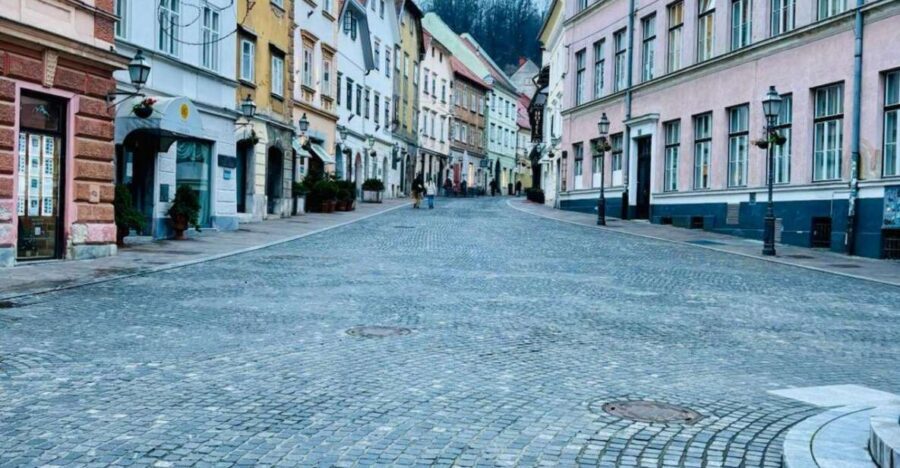
Old Town tours can sometimes turn into a wall of dates. This one tries to do something more useful: make time feel visible.
You’ll hear about bits from Roman times and how they fit into the later pattern of the city. Even when the evidence is subtle, the guide frames what you’re looking at so it doesn’t feel like archaeology homework. You start to notice the way older layers influence the street plan and building choices.
Next, you’ll move into the Middle Ages and then the era after a major earthquake, which is a key chapter in how Ljubljana became what you walk through today. This part helps you connect why certain buildings and public spaces feel the way they do. Cities rebuild, and the rebuild leaves fingerprints. You’ll notice them more after the guide explains what changed.
Along the way, you’ll also work through religious and civic landmarks, including the cathedral. In a short 2-hour window, it’s a smart inclusion because it anchors the timeline in something you can actually see and feel—tower lines, square layouts, and the way people use the space in real life.
The main square romance: poet story plus real civic life
The tour heads toward the main square, where Ljubljana’s social energy shows up fast. This is where you feel the city acting like a city, not a museum. You’ll see the kind of open space that invites lingering—locals crossing paths, visitors gathering, and the whole scene moving around a few key focal points.
One of the standout story moments here is the love story of the poet tied to the main square area. That’s exactly the sort of detail I appreciate because it turns a generic square into a place with emotional context. You’re not just reading a plaque; you’re imagining a moment that could have played out there.
Right after that, you’ll look at the Congress Square and Star Park. This section helps you understand how Ljubljana balances public space and planned civic identity. It’s the contrast that makes the city feel human. You get open sky and movement, but still a strong sense of design.
Central market stops that make the walk feel lived-in
A tour can be “pretty” and still feel unreal. This one tries to correct that by bringing you to places connected to everyday life—starting with the Ljubljana central market.
Markets are one of the best ways to read a city quickly. Even if you don’t buy anything, you get a snapshot of local tastes and habits. It also gives you natural breaks in the walk. You can slow down, watch how people navigate, and reset your camera before the next square or bridge.
The tour also includes time around food, shops, and restaurants, which matters because Old Town architecture is only half the experience. The other half is what people eat, buy, and talk about while they’re passing through. Ljubljana has that relaxed rhythm, and this tour uses the market and nearby commercial areas to show it.
If you like travel that feels practical rather than staged, this is one of the smarter inclusions. You don’t have to hunt for coffee spots or snack ideas afterward—you’re already in the right zone.
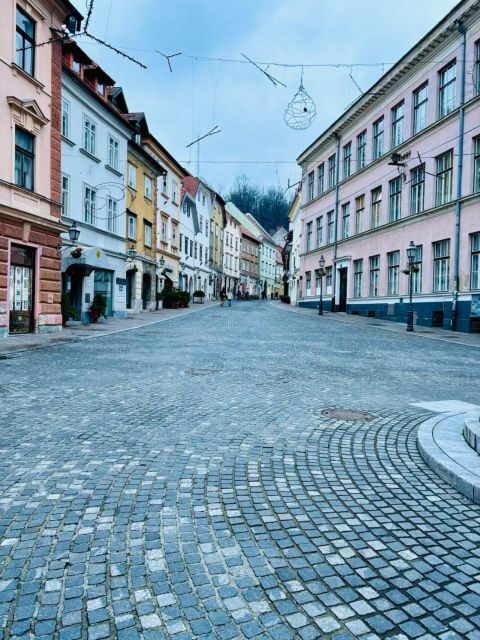
Secret tiny streets and the bridge trio: how to see Ljubljana differently
One of my favorite parts of any walking tour is when it turns a corner and suddenly the city changes scale. You’ll get that feeling with a stop in a secret tiny street, the kind of narrow lane where the city looks even more storybook than the main squares.
These small lanes are where you pick up texture: the way light falls, how buildings hug the street, and why Old Towns develop their own micro-climates. In Ljubljana, that effect is strong because the river-and-bridge network keeps pulling you back toward water viewpoints while the lanes lead you deeper into calmer pockets.
Then you’ll reconnect with the “bridge trio” idea, including three bridges and the related river stops. When the guide ties them together, it stops feeling like repetition. Instead, it feels like a guided pattern: crossing here, pausing there, and gradually understanding where the city wants you to look.
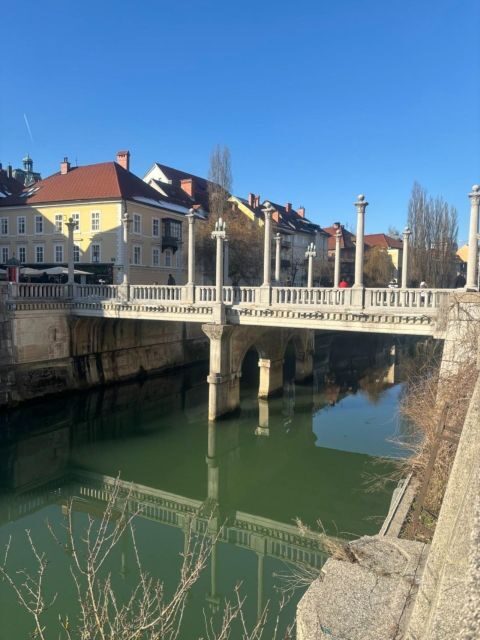
You’ll also include the Cobblers Bridge, another crossing that reinforces the bridge-and-water theme from a different angle. By the time you reach it, you’re not just taking photos. You’re anticipating what you’ll see because you’ve already been taught how the city flows.
The National library and City Hall: civic identity on display
The last stretch of the walk leans into Ljubljana’s cultural and civic face.
You’ll visit the National library, which gives the tour a bigger “future and learning” angle. In a short time, this stop helps balance all the older storytelling. It reminds you that a city isn’t only what it was; it’s what it invests in now.
Finally, the route brings you to the City Hall. This is where the tour’s earlier themes click into place. You’ve spent time learning how water shapes movement, how squares gather people, and how the timeline of Roman traces, medieval life, and post-earthquake rebuilding made the city’s structure. Seeing the civic heart at the end makes the whole walk feel organized instead of scattered.
It’s also a nice emotional finish. You end somewhere with weight—somewhere that signals governance, public identity, and how the city frames itself to the public.
Price and value: is $58 for a 2-hour walk fair?
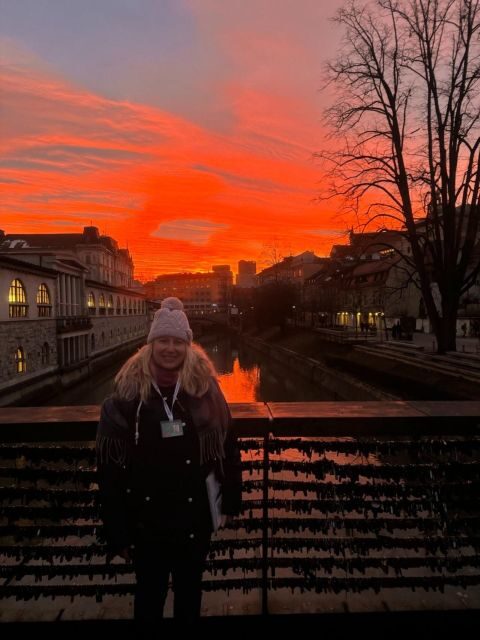
At $58 per person for a 2-hour walking tour, you’re paying for three things: a licensed guide, a curated route, and story-based context that turns photos into understanding.
This isn’t an “open your phone and wander” experience. The value shows up in how much you cover efficiently: bridges, major squares, key buildings, market time, and small street moments that most self-guided wanderers miss or misunderstand. The guide also offers recommendations and partner discounts, which can add real savings if you’re planning drinks or snacks nearby.
Is it worth it if you’re the type who hates walking tours? If you only want a single quick photo loop, no. But if you want to get your bearings fast and learn why the city looks the way it does, this price feels reasonable for a guided, high-touch Old Town route.
Also, because entry tickets aren’t included, you’re not paying for museum admissions you might not need. That keeps your out-of-pocket costs more predictable.
Practical tips that make the tour smoother
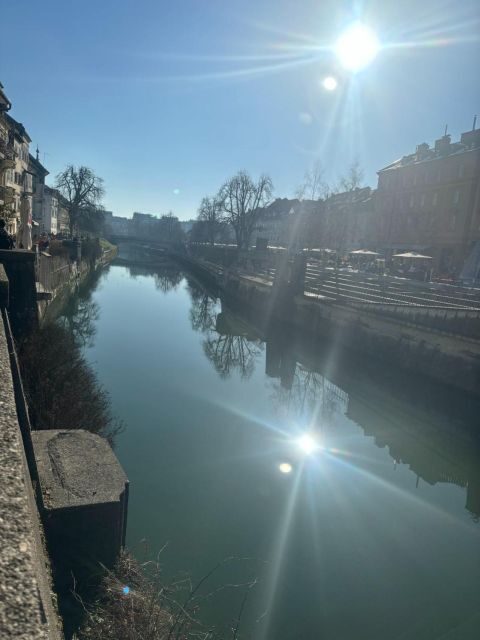
This tour is designed for a moderate walking pace, so your comfort matters.
Bring comfortable shoes first. Then add an umbrella, because weather around river areas can shift quickly. A camera helps, but I’d also bring a reusable water bottle so you can refill and keep energy steady.
The tour also asks for cash, which is useful if you decide to buy snacks or small items during market time or around shops and restaurants. You don’t want to reach a shop when you’re out of funds.
Finally, plan around the rules: no drones and no audio recording, and alcohol and drugs aren’t allowed. It’s a normal respect-and-safety setup for a guided walking experience.
Who this tour is best for
This is a great fit if you:
- are visiting Ljubljana for the first time and want a route that makes sense fast
- like stories that connect geography (water, bridges, squares) to culture
- want a short time commitment with a clear structure (2 hours)
- enjoy Old Town details more than “look but don’t touch” sightseeing
It’s also a nice option for people who care about local perspective. The tour explicitly focuses on important faces from Slovenian culture and ties them to historical imagery—so you get more than scenery.
If you’re traveling with mobility needs, note that the tour is wheelchair accessible. And if you want a more tailored pace or private group vibe, private group availability exists.
Should you book the Ljubljana Old Town Secrets tour?
I’d book it if you want to understand Ljubljana, not just see Ljubljana. The bridge-and-water emphasis gives the city a clear spine, and the mix of major squares, cathedral stop, market time, and small street moments makes the walk feel varied even in just 2 hours.
I’d skip it only if you dislike guided walking or want mostly indoor stops and long stays. For most first-timers, this is an efficient way to leave with stronger city confidence and better memories than another photo-only loop.
FAQ
How long is the Ljubljana Old Town walking tour?
The tour lasts 2 hours.
Where is the meeting point?
The meeting point may vary by the option booked, but one starting location is MESTNA HIŠA, Trubarjeva cesta 4.
What is included in the price, and are entry tickets covered?
You get a 2-hour walking tour with a professional licensed guide, plus recommendations and discounts from partners. Entry tickets are not included.
What languages are available for the live guide?
The live tour guide is available in Czech, Croatian, English, German, Polish, Slovenian, Spanish, and Italian.
Is the tour wheelchair accessible, and can I book a private group?
Yes, the tour is wheelchair accessible, and private group options are available.
What should I bring, and what is not allowed?
Bring comfortable shoes, an umbrella, a camera, cash, and a reusable water bottle. Drones, audio recording, alcohol and drugs, and feeding animals are not allowed.