REVIEW · LJUBLJANA
Ljubljana wonderful castle on foot and new places 🙂
Book on GetYourGuide →Operated by M&F Fabio Leghissa s.p. · Bookable on GetYourGuide
Cobbled streets lead to big views. This guided walk strings together ancient Rome and Ljubljana Castle through quieter lanes, so you see more than the usual photo stops. You’ll move at an easy walking pace, with the kind of on-the-ground details a city guide notices.
I love how the route starts at the Roman Porta Praetoria Emonae and turns that history into something you can actually spot on your feet. I also like that you’ll spend real time near Jože Plečnik’s beehive, with context you won’t get from a quick look.
One drawback: it’s about 4.5 km with a little uphill, and the tour isn’t suitable for people with mobility impairments. Also plan on wearing hiking shoes, especially since it begins on a dirt road.
In This Review
- Key highlights worth your attention
- A 4.5 km walk that links Emona Rome to Ljubljana Castle
- Meeting near Porta Emona and how the 2-hour flow works
- Practical note on timing
- Stop-by-stop: from the Roman Porta Praetoria to French Revolution Square
- Cobblers’ Bridge and the Hercules Fountain: quick stops, great payoffs
- Ljubljana Castle: the dirt-road start and the moment the city opens up
- What’s special about the castle here
- Jože Plečnik’s beehive: why this detail matters
- Town Hall, Robba Fountain, Tromostovje, and Prešeren Square
- The guide style: why Fabio Leghissa’s passion changes the whole tour
- What to wear and how much walking to plan for
- Price and value: is $28 a good deal?
- Who this walking tour suits best
- FAQ
- How long is the Ljubljana wonderful castle on foot and new places tour?
- Where does the tour start?
- Where does the tour finish?
- How far do we walk?
- What is the price?
- Is the tour suitable for people with mobility impairments?
- What language is the live guide?
- Does the tour include the castle without an entrance ticket?
- What should I wear?
- What are the cancellation options?
- Final call: should you book this tour?
Key highlights worth your attention
- Roman Emona Gate first: you start with the Porta Praetoria Emonae and connect it to modern Ljubljana as you walk.
- Plečnik’s beehive with context: time on the castle side with clear explanations, not just a quick sight.
- A view that earns the climb: the castle approach includes a breakthrough moment when the city opens up.
- Fabio Leghissa’s storytelling: passion, competence, and city anecdotes that make details click.
- Stops picked for details: the route includes bridges, fountains, and squares where not everyone goes.
A 4.5 km walk that links Emona Rome to Ljubljana Castle
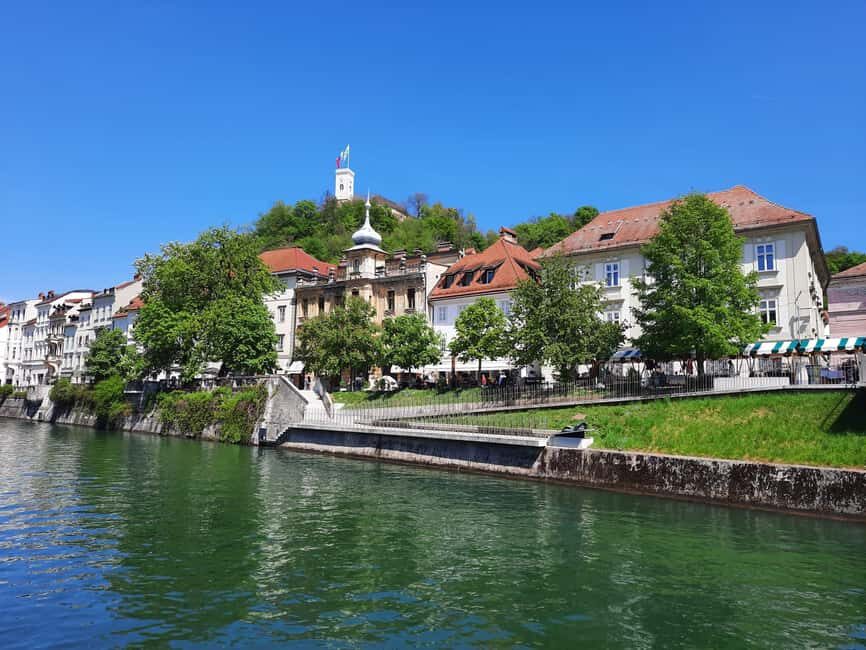
This is the kind of tour that makes Ljubljana feel like one continuous story. You start with the Roman footprint of Emona, then you thread through central sights on foot—mostly through smaller streets—until you’re looking back at the city from the castle area.
The best part is how the guide ties what you see to why it matters. It’s not just dates and names. It’s how a gate relates to the city’s later shape, and how art and architecture show up again and again in everyday Ljubljana.
You can also read our reviews of more tours and experiences in Ljubljana.

Meeting near Porta Emona and how the 2-hour flow works
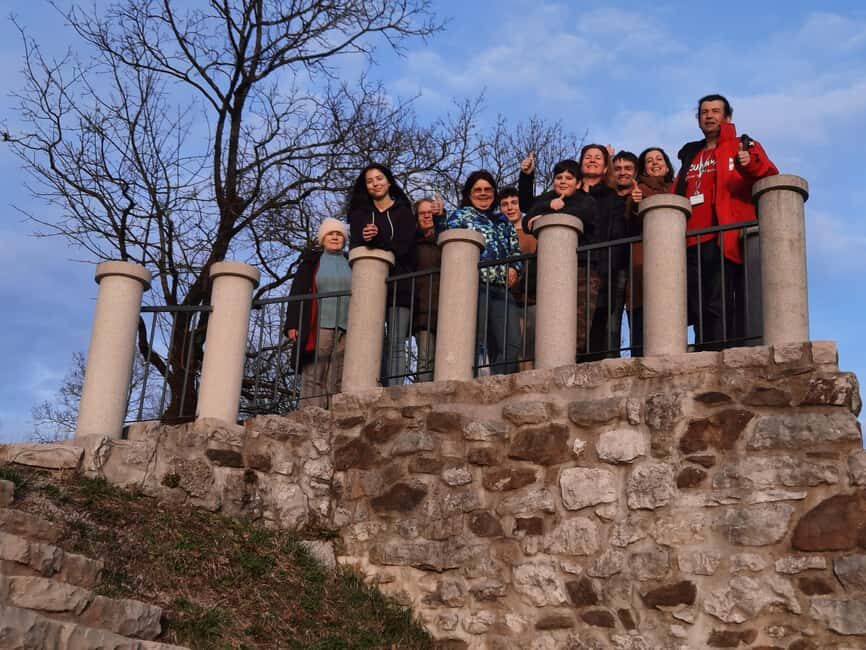
The start is near the sign for Porta Emona Ljubljana, and you’ll spot the guide by the tourist guide card. Expect a smooth rhythm: a compact route with short pauses at major points, plus time to hang around the castle.
The walk runs about 2 hours. You cover roughly 4.5 km, including some gentle climbing. The pace is built for sightseeing, not for a “run to the next stop” vibe—so if you like to look closely, you’ll fit right in.
Practical note on timing
There are multiple start times (check availability), and the tour is short enough that you’ll want to arrive a few minutes early. Once the group starts moving, there’s no long waiting around—this is a walking circuit.
Stop-by-stop: from the Roman Porta Praetoria to French Revolution Square
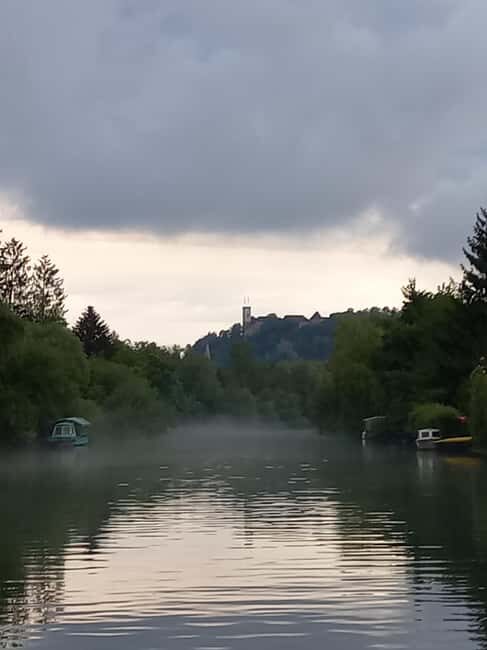
The tour begins at Northern Emona (Roman) Gate – Porta Praetoria Emonae. That’s a big deal because it gives your visit an actual anchor point. You’re not starting with a landmark you might have seen already on postcards. You start where Ljubljana’s Roman identity becomes physical.
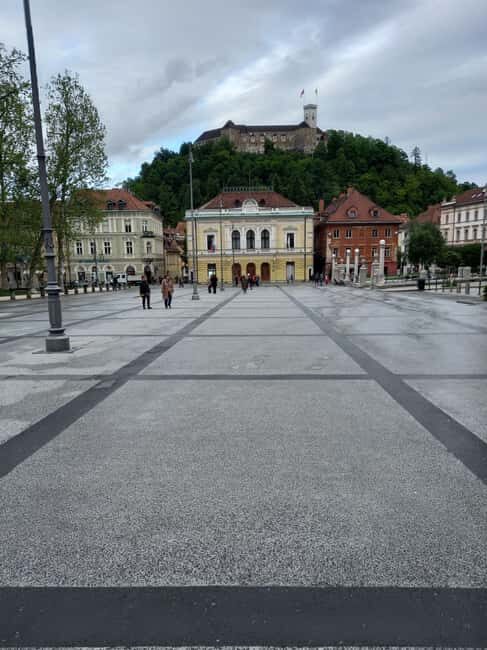
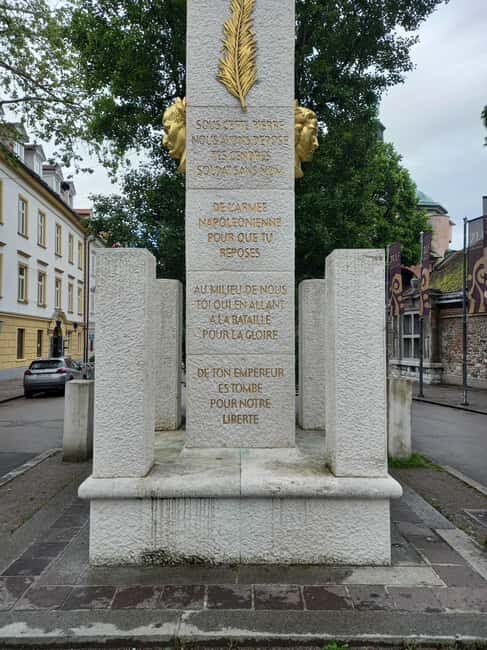
From there, the route heads toward Trg francoske revolucije (French Revolution Square). Even if you know the name but not the details, this stop helps you understand how Ljubljana’s center evolved—how “public space” changes meaning over centuries, even when buildings and layouts shift.
If you enjoy connecting dots—Rome to modern city life—this sequence is satisfying. It also works well if you’re arriving in Ljubljana and want to get your bearings fast.
Cobblers’ Bridge and the Hercules Fountain: quick stops, great payoffs
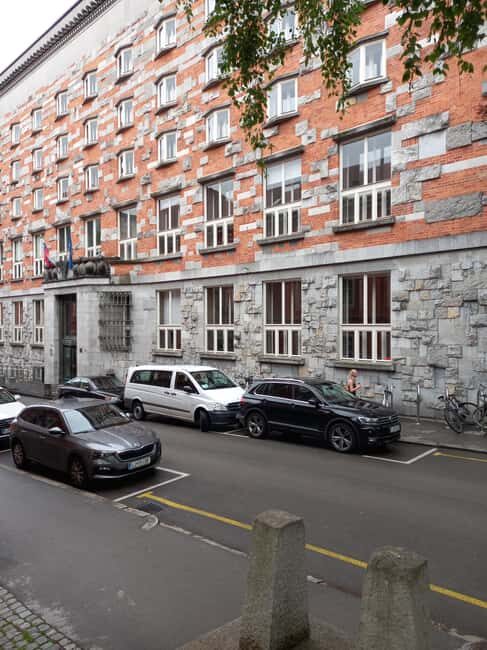
Next up is Cobblers’ Bridge. It’s the kind of place where a normal walk-by becomes a small moment. The bridge is short, but the guide’s focus on particular details makes it worth your attention rather than just a crossing step.
Then you move toward Herkulov vodnjak (the Hercules Fountain area). This is one of those “looks straightforward, explains deeper” sights. You’ll get the story behind what’s shown and why that matters in Ljubljana’s visual language.
These two stops are ideal if you like learning how symbols work in a city—how artists and planners leave messages in fountains, bridges, and street corners.

Ljubljana Castle: the dirt-road start and the moment the city opens up
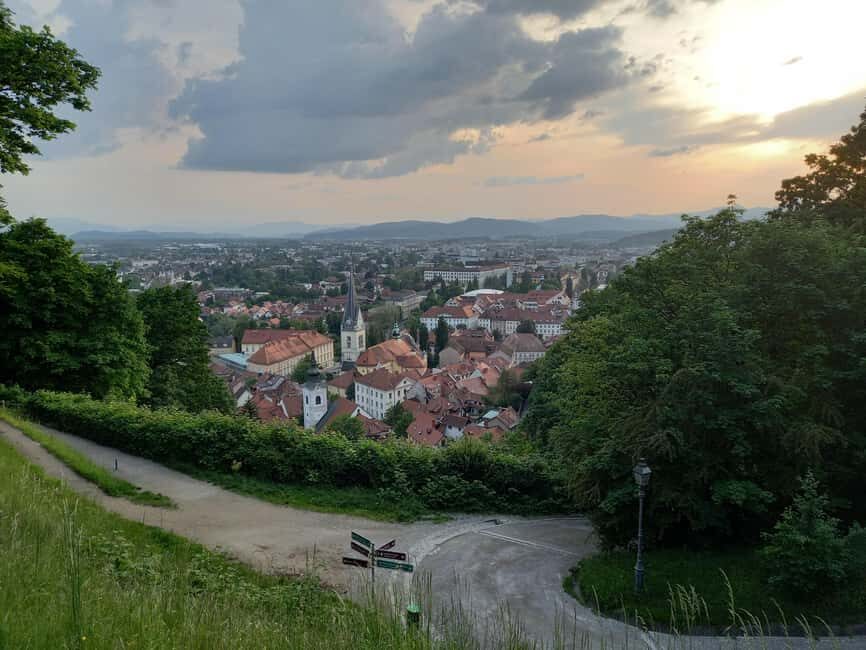
Now for the part that feels like the reward for the effort. After the early central stops, you head toward the castle. The route includes a little uphill and begins on a dirt road, so bring footwear that won’t make you regret the climb.
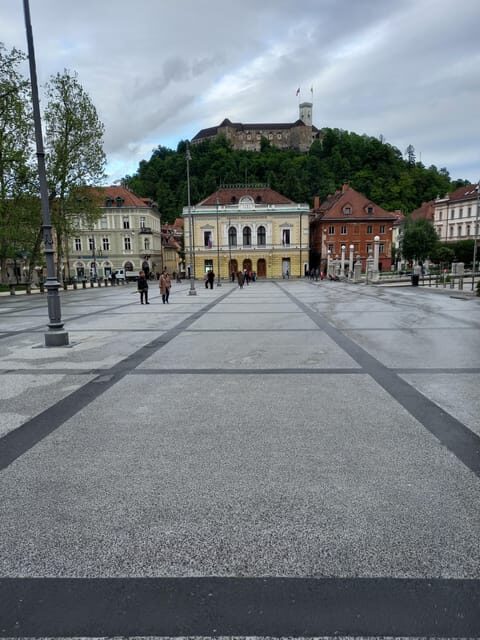
Once you’re up in the castle area, the tour becomes a viewpoint experience. The highlights include the breathtaking passage and the wonderful view back over the city. This is the moment when the tour shifts from “narration on the move” to “pause and look.”
What’s special about the castle here
This tour includes a castle visit in parts without an entrance ticket. That doesn’t mean you’re rushing through the place. It means you’re guided through the areas you need for the story and the views, without forcing you to buy a separate entry right at the start.
So if your goal is to enjoy the castle without turning the afternoon into paperwork and lines, this format makes sense.
Jože Plečnik’s beehive: why this detail matters
One of the most praised elements is time and attention on Jože Plečnik’s beehive. Plečnik’s work is famous enough that you might recognize the name, but what you might not expect is how well the guide explains it in context—how it fits the castle and Ljubljana’s design thinking.
The beehive isn’t just an oddity to point at. It becomes a lens for understanding Plečnik’s approach: blending form, function, and symbolism in a way that still feels personal and human.
This is also where the “details other people miss” style shows up. You’re not just told what it is—you’re directed toward what to notice and why it was placed where it was.
Town Hall, Robba Fountain, Tromostovje, and Prešeren Square
After the castle visit, the route brings you back down through key city-center landmarks.
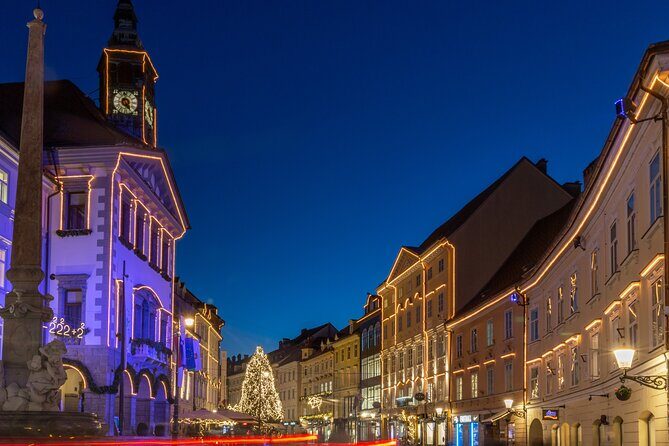
You’ll stop at the Town Hall, with enough time (about 20 minutes) to take in the building presence and connect it back to the story you heard earlier. Then you’ll head to Robba Fountain (noted as a short stop). The fountain may be quick, but with the guide’s focus, it becomes more than a decorative stop.
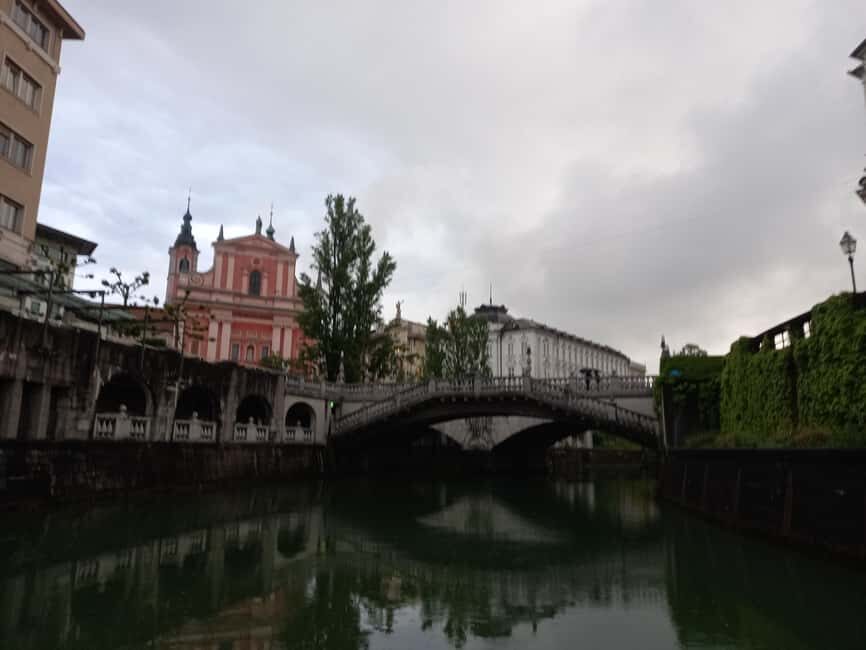
Next is Tromostovje (Triple Bridge). It’s short on time (about 5 minutes), but this is a place where even a quick pause can be useful. The bridge area gives you another angle on the city, letting you “read” the rivers and streets like a map.
Finally, you wrap at Prešeren Square (Prešernov trg). Expect a calm finish after the viewpoint portion. It’s a good way to end: you’re back in the heart of Ljubljana, with the castle above you in memory and the earlier Roman-to-modern story still fresh.
The guide style: why Fabio Leghissa’s passion changes the whole tour
A big reason people rate this tour so highly is the guide approach—Fabio Leghissa in Italian. The storytelling is described as passionate and packed with competence, and that shows in how the tour avoids becoming a simple checklist.
The key is the way Fabio looks for specific details where other walks might not bother. That might mean pointing out a small architectural cue, linking a fountain or bridge to a broader city idea, or explaining why a certain passage from the castle makes sense in the wider history of Ljubljana.
For you, that means you leave with memories that feel connected: one place leads to another, and each stop gives context for the next.
What to wear and how much walking to plan for
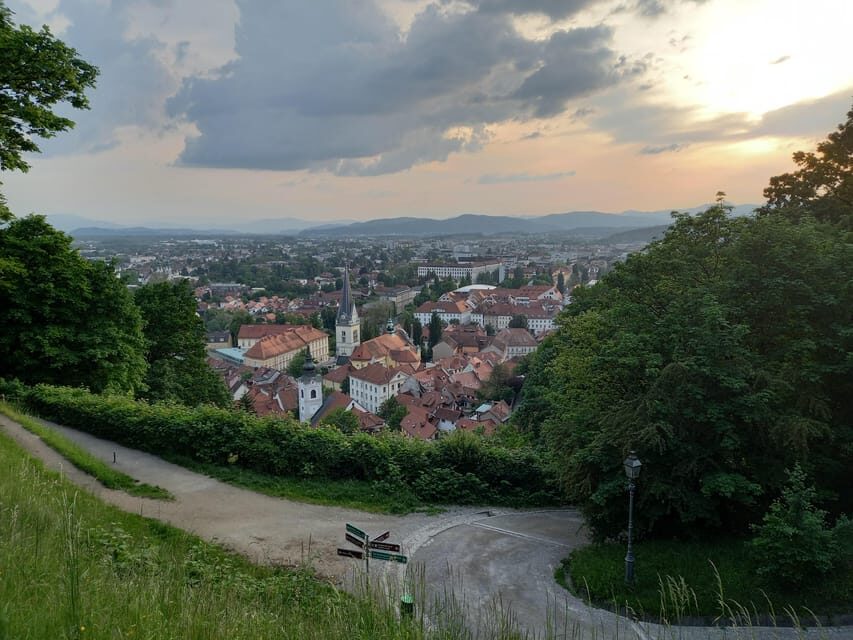
This tour is not a sit-down “history lecture” with minimal movement. You should plan for a true walk: about 4.5 km, plus a little uphill. It starts on a nice dirt road, so shoes matter.
Bring hiking shoes. If you wear flimsy sneakers or anything slippery, the dirt section and uneven ground could make the experience less pleasant. For most people, the climb is manageable, but it still counts as a workout.
Also, it’s not suitable for people with mobility impairments, based on the walking nature of the route.
Price and value: is $28 a good deal?
At $28 per person for roughly 2 hours, this is priced like a focused, high-content walking tour—not a long full-day excursion.
The value equation looks strong because:
- You get a live local guide who tells the story through details, not generic facts.
- You walk a compact route that links multiple major sights: Roman gate, central squares, castle, and return to the center.
- You also get castle access in parts without an entrance ticket, which reduces “hidden costs” you might expect on a castle visit.
If you want a “taste plus” Ljubljana experience—enough time to feel you learned something and enough movement to see real city texture—this price fits the format.
If you’re looking for a slow, fully accessible tour with lots of indoor time, this one may feel too active.
Who this walking tour suits best
This is a strong match if you:
- Enjoy walking tours where the guide explains details as you go.
- Like history that connects across time—Rome to Ljubljana’s later identity.
- Want a castle visit that’s more about views and context than ticket logistics.
It’s less ideal if:
- You need step-free access or limited walking.
- You hate uphill segments, even small ones.
- You only want major landmarks and don’t care about the smaller streets and quick-photo corners.
FAQ
How long is the Ljubljana wonderful castle on foot and new places tour?
It lasts about 2 hours.
Where does the tour start?
It starts near the sign for Porta Emona Ljubljana.
Where does the tour finish?
It finishes at Prešeren Square (Prešernov trg).
How far do we walk?
You’ll walk approximately 4.5 km.
What is the price?
The price is $28 per person.
Is the tour suitable for people with mobility impairments?
No, it is not suitable for people with mobility impairments.
What language is the live guide?
The live tour guide speaks Italian.
Does the tour include the castle without an entrance ticket?
Yes, the castle visit is in parts without an entrance ticket.
What should I wear?
Bring hiking shoes, since the route includes an uphill section and a dirt road start.
What are the cancellation options?
You can cancel up to 24 hours in advance for a full refund.
Final call: should you book this tour?
Book it if you want Ljubljana in a way that feels stitched together: Roman Emona at the start, lively central squares as you move, and a castle viewpoint with Plečnik’s beehive explained properly. The strongest selling point is the guide’s detailed, story-driven approach in Italian, with a focus on particular sights and clues you’d likely skip on your own.
Skip it if you need step-free access or if walking uphill (even a little) will be a problem. For everyone else, this is one of the smarter ways to spend two hours while still leaving you time to explore the rest of Ljubljana on your own.