REVIEW · PIRAN
Piran: Walking Tour with Local Wine and Food Tasting
Book on GetYourGuide →Operated by Piran Walking Tour · Bookable on GetYourGuide
Piran changes fast once the sun starts to drop. This walking tour with local wine and food tasting turns a maze of medieval lanes into something you can actually picture. It’s also a practical way to understand how Piran works, from Venetian architecture to salt-era stories.
I love the combo of Venetian street scenes and a small-group tasting that lets you sample real regional flavors instead of grabbing whatever’s closest. Two standouts for me were the hilltop view above town and the final snack stop with Slovenian wine, olive oil, and deli bites like truffle cream and salami.
One thing to keep in mind: this is a walking-focused experience on uneven old streets, and it’s not set up for wheelchair users or people with mobility impairments.
In This Review
- Key points you should care about
- Piran on foot: why this tour works so well in late afternoon
- Tartini Square to old-town lanes: the walk begins with real orientation
- What I like about this start
- A possible drawback to plan for
- Venetian architecture and town squares: seeing the city’s design logic
- How this helps you as a visitor
- Minorite Monastery area (from outside): a stop that adds texture
- The practical upside
- The panoramic viewpoint: where Slovenia, Croatia, and Italy show up together
- Sunset view, if the weather behaves
- Quick planning tip
- Snack time with Slovenian wine and truffle flavors
- Why this tasting feels like value, not just filler
- The most useful thing the guide does after tasting
- Price and group size: what $41 buys you in real terms
- Who this tour is best for (and who should skip it)
- Practical logistics: where to park, what to wear, and what could interrupt the day
- Should you book this Piran walking tour with wine and food?
- FAQ
- How long is the Piran walking tour?
- Where do I meet the guide?
- What language is the tour guide?
- Is the food and wine tasting included?
- How many people are in the group?
- Do we go inside any buildings?
- What should I wear or bring?
- Is it suitable for wheelchair users or people with mobility impairments?
- When might the tour be canceled?
- Can I get a refund if plans change?
Key points you should care about
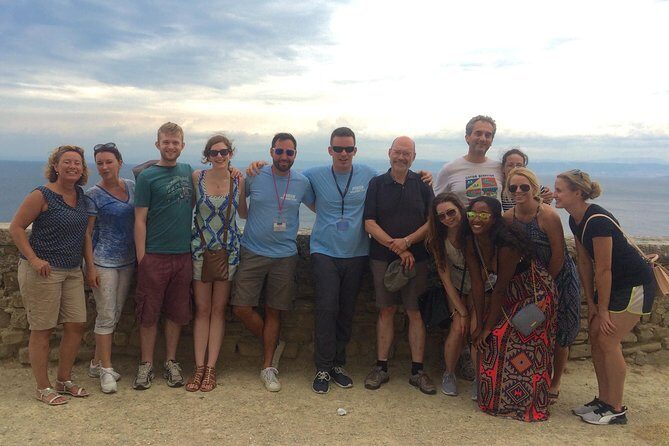
- Max 10 people means you get real back-and-forth with your guide, not a lecture in a crowd
- Views over three countries from the St. George church viewpoint, weather permitting
- Food and wine tasting includes local favorites like Malvazija (white) and Refošk (red) alongside truffle cream and olive oil
- Streets tied to Venetian Piran, plus stops that point toward the city’s older life
- Minorite Monastery area (visited from outside) with stories that make the building feel closer
- A guide like Jan can pace the walk and share insider tips on where to eat next
Piran on foot: why this tour works so well in late afternoon
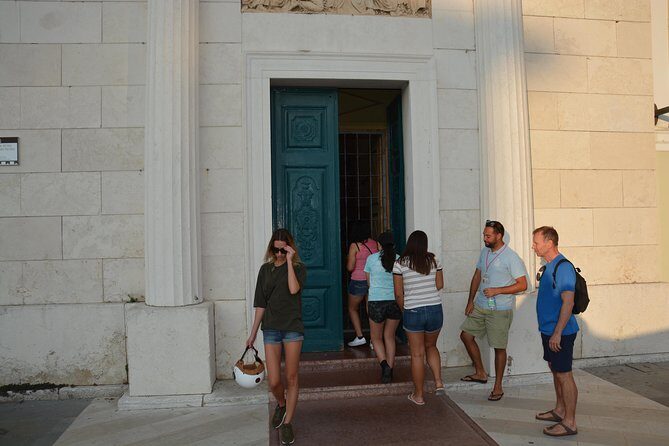
Piran is the kind of place where you feel like you’re walking through a postcard, but only for a second at a time. The streets curve, the facades slide past, and you can miss the meaning of what you’re seeing if you just wander alone. A guided walk fixes that. You get bearings fast, and suddenly the town feels organized.
Late afternoon is also the sweet spot. Light softens the stone, shop fronts start glowing, and the timing lines up with that big panoramic moment at the top of the hill. If the weather is kind, you can even catch a sunset view from where St. George looks out over the bay.
This isn’t a “museum” tour. It’s more like being shown how the city connects—squares to lanes, lanes to viewpoints, and finally to food and wine.
You can also read our reviews of more walking tours in Piran

Tartini Square to old-town lanes: the walk begins with real orientation
You’ll meet at Tartini Square, in front of the Tourist Information Centre, behind the statue. It’s an easy starting point, and it also sets your mental map from the first minute.
From there, the route winds through Piran’s narrow streets where it’s hard to tell where you are unless someone points it out. The guide helps you connect key parts of town—important squares, architecture, and the spots tied to older daily life. Even if you’ve seen photos of Piran before, the scale feels different when you’re inside the lanes.
What I like about this start
You don’t waste time with logistics once you’re there. The group stays small, so it’s easier to hear the guide and keep your place on the route.
A possible drawback to plan for
Old towns usually mean uneven ground. Bring comfortable shoes, and don’t plan on wearing anything you’d hate to walk in for 90 minutes. High heels are not allowed, and honestly that’s the right call for these cobbles and steps.
Venetian architecture and town squares: seeing the city’s design logic
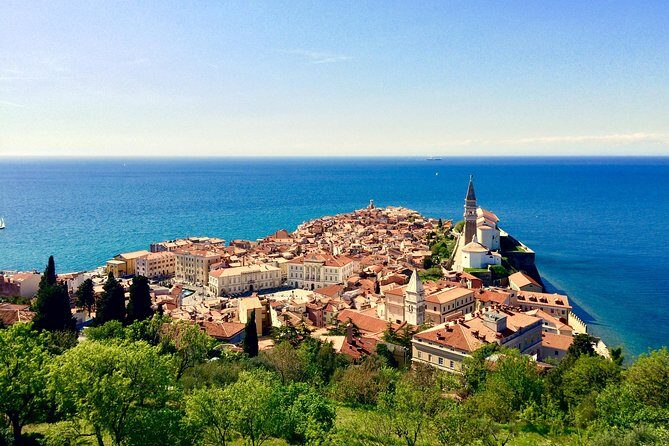
Piran has a Venetian imprint, and this tour is built to help you notice it. You’ll pass places where the architecture and street layout make sense only when you understand that cultural influence. The guide points out details as you go, so you’re not just staring at buildings—you’re learning what to look for.
You also visit town squares. That matters more than it sounds. Squares are where daily life happens, and they’re also where older urban planning reveals itself. Even a short pause in a square gives your brain a reference point, which makes the next stretch of lanes easier to follow.
You can also read our reviews of more food & drink experiences in Piran

How this helps you as a visitor
If you want to explore Piran after the tour, you’ll get a mental shortcut. Instead of wandering randomly, you’ll know which direction brings you back to the waterfront, where the quiet corners are, and why certain routes feel more natural.
Minorite Monastery area (from outside): a stop that adds texture
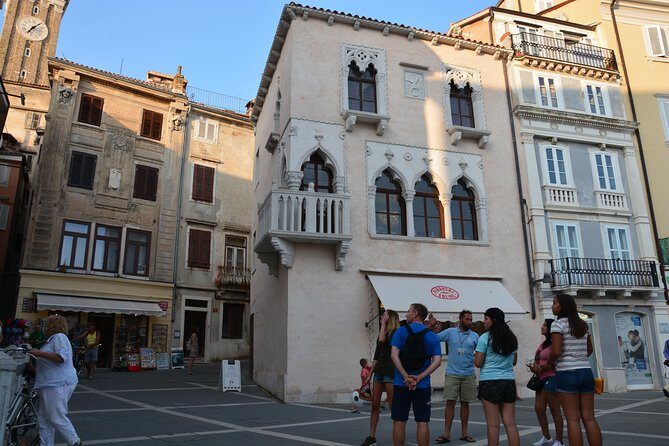
One of the more memorable moments is the walk near the 700-year-old Minorite Monastery. You don’t go inside—entrances are not included, and visits are from outside—so you’re not stuck on ticket lines. But you still get the history and anecdotes that make the place feel real.
This is the kind of stop that works best when you’re already in motion. The guide ties the monastery’s story to how people lived and worked in earlier centuries, including salt-linked life and local trades. Even without entering the building, you come away with context.
The practical upside
Because you’re seeing it from outside, you keep the pace of the tour smooth and on schedule. You also get to keep walking and building your picture of Piran.
The panoramic viewpoint: where Slovenia, Croatia, and Italy show up together
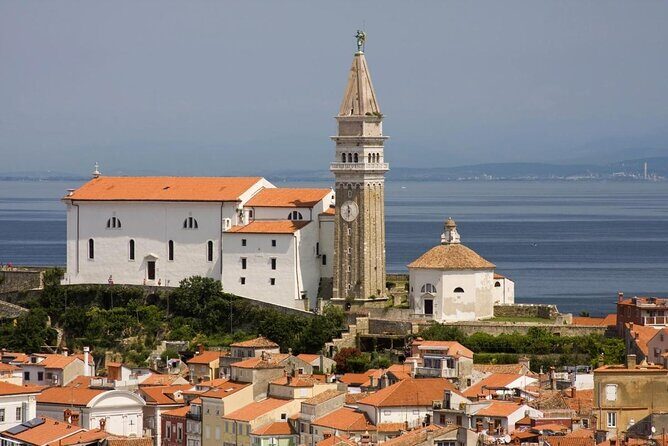
This is the “stop and look” section of the tour. The route climbs to the top of the hill where the church of St. George stands above town. From here, the guide helps you focus your gaze so you understand what you’re seeing.
On a clear day, you can see Slovenia, Croatia, and Italy at the same time. That’s not a vague scenic promise. It’s a defining feature of Piran’s geography, and it changes the way you view the coast.
Sunset view, if the weather behaves
There’s also mention of a sunset angle when conditions are good. Even without full sunset lighting, the late-afternoon sun can give you a warm, golden look over rooftops and the sea. Bring your camera, but also take a minute to just look. This is the kind of view you’ll remember longer than the photo.
Quick planning tip
If the sky is hazy or rainy, you’ll still get the hilltop experience, but the “three countries at once” view may be less dramatic. The tour doesn’t run in heavy rain or storms, so you won’t get stuck in ugly weather.
Snack time with Slovenian wine and truffle flavors
At the end, you’ll stop for a snack and refreshment with local food and wines, with everything included in the price. This is where the tour shifts from sightseeing to taste, and it’s a smart move. You’ve been walking and listening; now you’re sampling.
The menu isn’t described as one big buffet, and that’s good. You’re set up to try multiple things so you get a sense of the region’s style. Expect items like truffle cream, olive oil, and salami plus local wines.
Two named wines come up for this area:
- Malvazija (white)
- Refošk (red)
You’ll also hear explanations as you taste. The point isn’t to memorize wine terms. It’s to get a quick “what to order next time” map in your head.
Why this tasting feels like value, not just filler
Because you’re paying for the guide’s time and local knowledge, the tasting isn’t random. It’s connected to what you’re learning about Piran—salt, olive oil culture, and the kind of flavors that made sense here.
And because the group is small, the guide can answer questions without brushing you off. If you’re the type who likes to ask, this is a good tour for that.
The most useful thing the guide does after tasting
When you finish eating, you don’t just leave with empty plates. The guide is happy to recommend where to go for a nice meal, ice cream, coffee, or a glass of wine. That kind of follow-up advice is what turns a tour into a shortcut for your rest of your day.
Price and group size: what $41 buys you in real terms
The price is listed at $41 per person for a 1.5-hour experience. That might sound straightforward until you break down what’s actually included: a licensed local guide, bottled water, a small group (max 10), and a food-and-wine tasting stop with regional snacks.
For me, the value question isn’t just the tasting. It’s also the guided walk with context. Piran’s lanes are scenic, but they’re also confusing without someone to interpret them. The tasting portion then locks in the flavors so you don’t forget what you just learned.
Also, because this isn’t a huge group tour, you’re not racing around to keep up. You can slow down for photos, ask questions, and actually hear the guide.
Who this tour is best for (and who should skip it)
This tour is a great fit if you want:
- A relaxed late-afternoon plan in Piran
- A small-group pace instead of a bottleneck crowd
- A guided route that connects old streets to real regional food and wine
- A strong chance at a panoramic hilltop view, especially with clear weather
It may be less suitable if:
- You have mobility limitations and need wheelchair-friendly access (it’s not suitable for wheelchair users)
- You hate uneven walking surfaces
- You’re looking for a long, deep sit-down meal instead of snacks and tasting
If you’re the kind of traveler who wants your first day to feel smooth and informative, this is a smart opener for Piran.
Practical logistics: where to park, what to wear, and what could interrupt the day
A car setup matters here. If you arrive by car, you’ll need to leave it in the garage near town and use the free shuttle bus service to get to Tartini Square. On busy days, that shuttle can take some time, so plan a little buffer.
For clothing, keep it simple: wear comfortable shoes. High heels are not allowed, and that’s for good reason on old streets.
Weather can affect the tour. It won’t take place in the case of heavy rain or storm. That’s normal for an outdoor walking plan, but it’s still worth planning your Piran day with flexibility.
Should you book this Piran walking tour with wine and food?
I’d book it if you want a tight, satisfying afternoon that gives you both context and flavor. The combination is the point: Venetian-era sights and viewpoint drama, followed by tasting local products like truffle cream, olive oil, salami, and wines including Malvazija and Refošk.
I’d skip it if your travel style is mainly “stay put and eat big.” This is a walk-first experience, and the tasting is snacks-plus-wine, not a full restaurant meal. Also, if accessibility is a concern, don’t plan to make this work—this one isn’t set up for wheelchairs.
If you’re chasing value, small-group attention, and a real sense of Piran’s identity, this tour hits the mark.
FAQ
How long is the Piran walking tour?
It lasts about 1.5 hours.
Where do I meet the guide?
You meet on Tartini Square in front of the Tourist Information Centre, behind the statue.
What language is the tour guide?
The tour is offered in English.
Is the food and wine tasting included?
Local food and wine tasting is included if you select the tasting option. (The tour also includes bottled water.)
How many people are in the group?
The group is small, with a maximum of 10 people.
Do we go inside any buildings?
Entrances are not included, and you visit from outside.
What should I wear or bring?
Wear comfortable shoes, and avoid high-heeled shoes.
Is it suitable for wheelchair users or people with mobility impairments?
No. It is not suitable for wheelchair users or people with mobility impairments.
When might the tour be canceled?
It will not take place in case of heavy rain or a storm.
Can I get a refund if plans change?
Yes, there is free cancellation up to 24 hours in advance for a full refund.