REVIEW · LJUBLJANA
Coffee Sensory Training in Ljubljana
Book on Viator →Operated by Specialty Kava Slovenia · Bookable on Viator
Your palate can be trained.
Coffee Sensory Training in Ljubljana is a hands-on, structured way to learn how to sense coffee—taste, smell, and the small flavor differences most people miss. You’ll work toward the internationally recognized Specialty Coffee Certificate CSP Sensory Skills Foundation, with guided theory plus practical tastings and a testing format that keeps you honest. Two things I especially like: the emphasis on aroma and taste calibration (not just guessing), and the standout instruction from Lev, who makes the whole process feel clear and engaging.
One thing to consider: the course can involve a lot of slurping and repeated tastings. One review notes dizziness by the end even with spit-out guidance, so if you’re caffeine-sensitive or prone to feeling lightheaded, go in ready to pace yourself and take short breaks when you need them.
In This Review
- Key Points to Know Before You Go
- How Coffee Sensory Training in Ljubljana Works (And Why It Feels Different)
- The Nose-and-Palate Skills You’ll Train During the 7 Hours
- Taste calibration: learning what your palate is doing
- Aroma identification: turning smell into information
- The practical part: tasting with intention
- Working Toward the CSP Sensory Skills Foundation Certificate
- What the Day Feels Like: Theory, Practice, and Lots of Samples
- The “slurping” reality
- Why the volume might still be worth it
- Meeting Point and Timing: A Day That Fits Ljubljana
- Language, Age, and the Coffee Workshop Rules
- What’s Included (So You Can Plan Without Guessing)
- Price in Perspective: Is $355.04 Worth It?
- Atmosphere: Friendly, Coach-Led, and Built for Curious People
- Who This Coffee Sensory Training in Ljubljana Suits Best
- Should You Book This Sensory Course?
- FAQ
- How long is the Coffee Sensory Training in Ljubljana?
- What time does the training start?
- Where is the meeting point?
- Is the tour offered in English?
- Is this a private tour?
- What’s included in the price?
- Is lunch included?
- What certificate does the training lead to?
- Is there an age requirement?
- Is free cancellation available?
Key Points to Know Before You Go
- CSP Sensory Skills Foundation focus: training plus a theoretical and practical exam format
- Aroma work that actually teaches you how to notice: you’ll practice finding specific notes in coffee
- Lev’s instruction is a big draw: clear, enthusiastic coaching that keeps sessions moving
- Hands-on tasting is central: coffee and/or tea, plus water and snacks to keep you comfortable
- Expect lots of samples: pacing matters, especially if you’re caffeine-sensitive
- Private experience for your group: you won’t share with other travelers
How Coffee Sensory Training in Ljubljana Works (And Why It Feels Different)
This isn’t a casual coffee tasting where you sip and nod. The point here is skill-building. You’ll learn how to evaluate coffee using sensory tools: taste basics (so your palate stops lying to you), and aroma recognition (so you stop calling everything chocolate, even when it isn’t).
The course walks you through calibration. That means you’re not just tasting one “good” coffee. You’re training your perception—how you identify basic tastes, and how you connect what you smell with what you taste. Once you start thinking in that “system,” coffee becomes easier to compare: two cups can be similar but not identical, and you’ll learn to articulate the differences instead of guessing.
And because you finish with both theory and a practical exam, you’ll feel the training land in a concrete way. It’s one thing to enjoy tasting; it’s another thing to be able to reproduce the process under guidance.
A few more Ljubljana tours and experiences worth a look
The Nose-and-Palate Skills You’ll Train During the 7 Hours
You can think of the training as two tracks that constantly feed each other: taste recognition and aroma spotting.
Taste calibration: learning what your palate is doing
You’ll practice recognizing basic tastes as part of coffee evaluation. That matters more than it sounds. A lot of people can describe coffee as strong, smooth, or bitter. But sensory training pushes you to notice specifics and separate categories. When your palate is calibrated, you can explain why a coffee tastes the way it does—and you’ll stop blaming everything on roast.
Aroma identification: turning smell into information
A big theme is learning which aromas can be found in coffee and how to identify them. Coffee aroma isn’t random. Training helps you notice patterns: lighter and darker notes, how aromas present themselves before you even taste, and how certain characteristics show up with different flavor perceptions.
You’ll also train for subtle nuances. That’s where coffee education gets fun. You’re not just chasing “notes on a label.” You’re learning to hear (and smell) the tiny differences that separate one coffee profile from another.
The practical part: tasting with intention
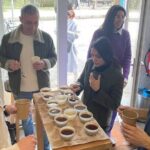
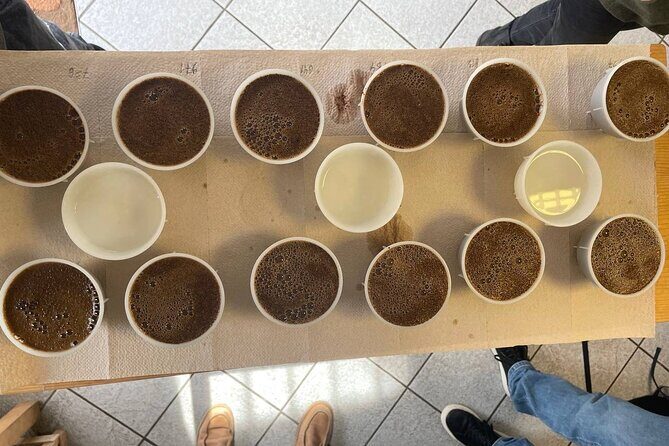
The program isn’t only lecture. You’ll do repeated tastings to practice the skills in real time. That’s also why the course is seven hours long: you need time for attention to settle and for your judgment to sharpen. Short workshops can teach vocabulary. This one aims to build usable sensory technique.




Working Toward the CSP Sensory Skills Foundation Certificate
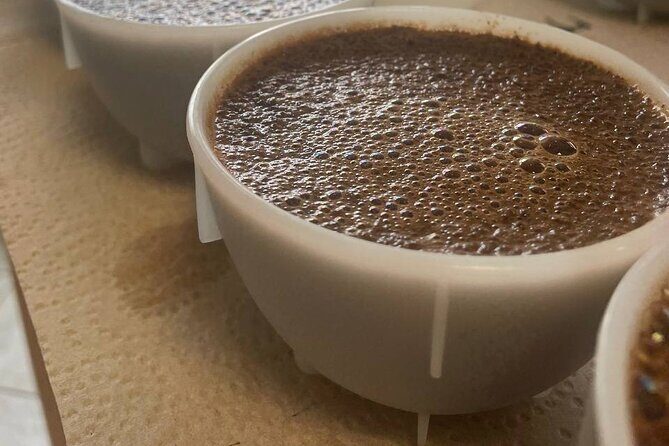
One of the most valuable parts of this experience is that it’s connected to a recognized certificate: the CSP Sensory Skills Foundation. That changes the vibe. You’re not just learning for fun—you’re learning with an endpoint in mind.
The course includes a theoretical and practical exam. In plain terms, you’ll be tested on what you know and what you can do. That’s a good thing for you. It turns the day into a structured progression rather than a “sipping tour.” If you care about coffee as more than a caffeine ritual, that structure helps you remember the techniques later.
Also, you’ll likely leave with a better way to evaluate coffees you buy afterward. Instead of relying on brand descriptions, you’ll have a method for noticing what’s actually in the cup.
What the Day Feels Like: Theory, Practice, and Lots of Samples
Even without a formal sightseeing route, the day has rhythm. You’ll spend time in theory and time practicing. Expect a mix of guided tasting sessions where you compare and calibrate, plus exam-style components that feel like you’re learning how to perform—not just how to listen.
The “slurping” reality
Here’s the honest consideration from real experience: the course can involve a lot of samples. One participant specifically mentioned a lot of slurping and feeling dizzy near the end, even with advice to spit it out. That tells me the tasting volume is meaningful, not symbolic.
So plan smart:
- Eat something beforehand if you’re sensitive to caffeine (snacks are included, but your comfort matters).
- Take pauses when you can.
- If you’re prone to dizziness, let your instructor know during the day so they can help you pace.
Why the volume might still be worth it
Yes, lots of samples can be a lot. But in sensory training, repetition is how you learn. You’re training your perception, and perception needs reps. The upside is that by the end, you’re more likely to recognize differences quickly instead of feeling overwhelmed and guessing.
Meeting Point and Timing: A Day That Fits Ljubljana
The course starts at 10:00 am and is listed at about 7 hours. It begins at Dunajska c. 61 in Ljubljana, and it ends back at the meeting point.
That round-trip matters because it makes planning easier. You don’t need to coordinate multiple neighborhoods or fight transport at odd times. It’s also close to public transportation, so you’re not stuck trying to time taxis for a full working-day activity.
It’s also a private tour/activity. That means it’s just your group participating, not a mixed crowd. For a training format, that can be a real benefit. You get the attention you need and the pace is less chaotic than a big group session.
Language, Age, and the Coffee Workshop Rules
This is offered in English, which is great if you want the learning to stay accurate and not “translated in your head.” Confirmation is received at booking, and you get a mobile ticket.
On age: there’s no age limit for drinking coffee in general, but the coffee-related workshops accept people over 18. So if you’re planning for a younger participant, you’ll want to check fit with the provider before you book.
What’s Included (So You Can Plan Without Guessing)
The experience includes:
- Coffee and/or tea
- Bottled water
- Snacks
What’s not included:
- Alcoholic beverages
- Lunch
For budgeting and logistics, this is a straightforward setup. Because lunch isn’t included, you should plan to either eat before you start or bring a plan for a snack gap if you need it (snacks are included, but everyone eats differently). And since there’s no alcohol, you won’t be mixing tasting skills with a buzz. That tends to make sensory training more reliable.
Also, no alcohol means you can keep your day smooth afterward. If you want to walk off the coffee skills you just learned, Ljubljana is a nice city for that kind of reflective stroll.
Price in Perspective: Is $355.04 Worth It?
At $355.04 per person, this is not a budget activity. But it can be good value if you’re aiming for real capability, not just an afternoon with coffee.
Here’s how I think about value for this kind of course:
- You’re paying for structured training (theory + practical exam format), not just tasting.
- You’re paying for coach support and feedback, including the kind of instruction that one participant praised as exceptional from Lev.
- You’re paying for the certificate pathway to CSP Sensory Skills Foundation.
- You’re getting coffee/tea, water, and snacks, which reduces your food and drink costs during the session.
If you’re a coffee fan who wants to get better—like, actually better—this kind of course is often worth it because it creates a tool you can use for years. If your goal is only to sip a few coffees and enjoy the atmosphere, you might decide to spend less elsewhere.
So the key question for you is simple: do you want coffee literacy and evaluation skills, or do you just want a fun tasting day?
Atmosphere: Friendly, Coach-Led, and Built for Curious People
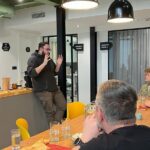
The feedback on the tone is consistent: people describe the event as friendly and enjoyable, with an instructor who’s passionate and easy to ask questions to. One review specifically encourages asking Lev anything about coffee and calls him a genius. That matches what you want in sensory training: someone who doesn’t just teach the “answers,” but helps you build confidence in your own tasting judgments.
For a couple, that same sense of shared attention comes through too. If you’re going with a partner, it can be a great way to learn together and trade notes on what you sensed.
For solo travelers, it can also work because the format is guided. You’re not stuck entertaining yourself between stations. You’re doing a structured activity where the learning is the entertainment.
Who This Coffee Sensory Training in Ljubljana Suits Best
I’d point you toward this course if you fit one of these profiles:
- You love coffee and want to understand what you’re tasting rather than just liking the flavor
- You want a certificate-oriented structure with theory and practical evaluation
- You’d enjoy repeated tastings and smell exercises, even if it’s a lot
- You prefer small, private group settings over large crowds
You might reconsider if:
- You’re highly caffeine-sensitive or easily dizzy during tastings
- You dislike activities that require repeated sampling over several hours
- You’re only looking for a light, casual tasting with minimal structure
Should You Book This Sensory Course?
Book it if you want coffee skills that stick. The course is built around sensory training, aroma identification, taste calibration, and an exam format tied to the CSP Sensory Skills Foundation certificate. If you care about coffee seriously, you’re paying for training that turns your senses into a repeatable method.
Hold off if you’re worried about the amount of tasting. One review flagged dizziness by the end, and that’s a real signal. If that would stress you out, ask about pacing or talk to the instructor in advance so you feel comfortable.
If you do book, come prepared to treat the day like practice, not just consumption. Bring your curiosity, pay attention during the smell work, and don’t be afraid to ask Lev questions when something doesn’t click.
FAQ
How long is the Coffee Sensory Training in Ljubljana?
It runs for about 7 hours.
What time does the training start?
The start time is 10:00 am.
Where is the meeting point?
The meeting point is Dunajska c. 61, 1000 Ljubljana, Slovenia.
Is the tour offered in English?
Yes, it’s offered in English.
Is this a private tour?
Yes. It’s a private tour/activity, and only your group participates.
What’s included in the price?
Coffee and/or tea, bottled water, and snacks are included.
Is lunch included?
No, lunch is not included.
What certificate does the training lead to?
You work toward the Specialty Coffee Certificate CSP Sensory Skills Foundation.
Is there an age requirement?
There is no age limit for drinking coffee, but participants over 18 are accepted for the coffee-related workshops.
Is free cancellation available?
Yes. You can cancel for a full refund up to 24 hours in advance of the experience’s start time.