REVIEW · LJUBLJANA
Food & Wine tour with a Sommelier
Book on GetYourGuide →Operated by Ana Povše · Bookable on GetYourGuide
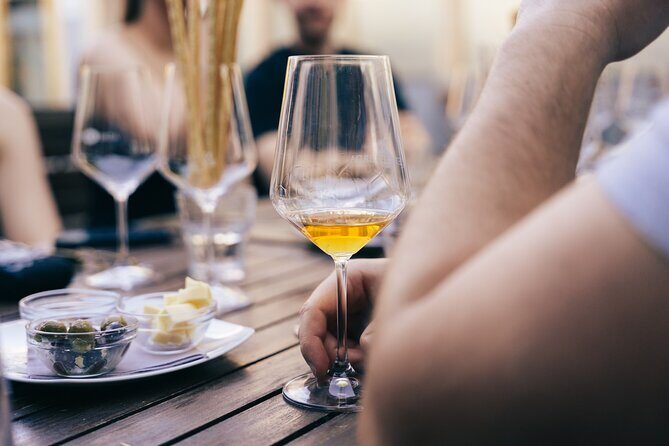
Ljubljana tastes better with a sommelier. This 3-hour local food-and-wine experience in Central Slovenia pairs real Slovenian flavors with wine, using a guide who can explain what’s in your glass and why it matters. I like that it starts at the Farmers Market area, not a scripted tourist circuit, and the focus stays on everyday Ljubljana food culture. You get a guided route that makes Slovenian wine history feel practical, not academic.
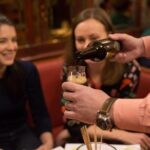
Two things I really like: the all-local stop list (no tourist traps) and the pairing approach led by a wine pro who is also a serious foodie. You’re not stuck listening while you sip. You taste multiple wines, learn the basics of matching food and wine, and connect it to Slovenian regional identity.
One possible drawback: it’s a short 3-hour format, so you’ll cover plenty of tastings, but you won’t have time for a slow, full sit-down meal. If you want long restaurant time more than learning and sampling, this might feel rushed.
In This Review
- Key Highlights You’ll Actually Feel
- Why This Ljubljana Food-and-Wine Tour Works in 3 Hours
- Meeting at Vodnikov Trg: Where the Tour Starts Tasting Slovenia
- Ana’s Sommelier-Led Pairing Style: Clear for Beginners, Not Dumbed Down
- How the Route Feels: 4+ Stops, Each Teaching a Different Taste Logic
- The Farmers Market Moment: Your Palate Gets a Starting Point
- Slovene Wine ABC: Regions, Terroir, and Local Varieties in Plain Language
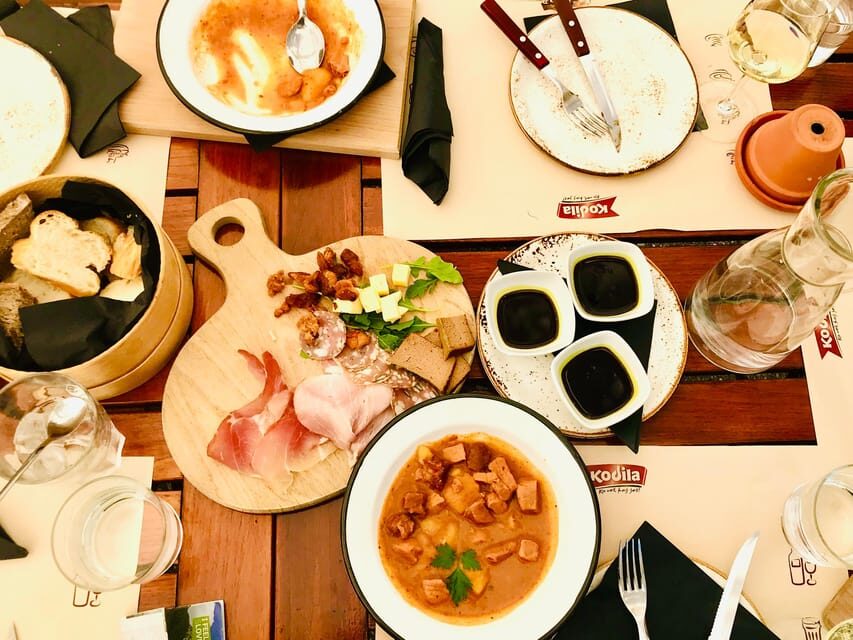
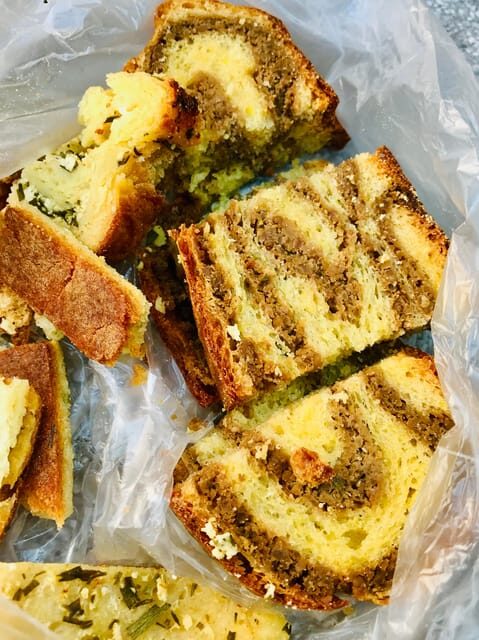
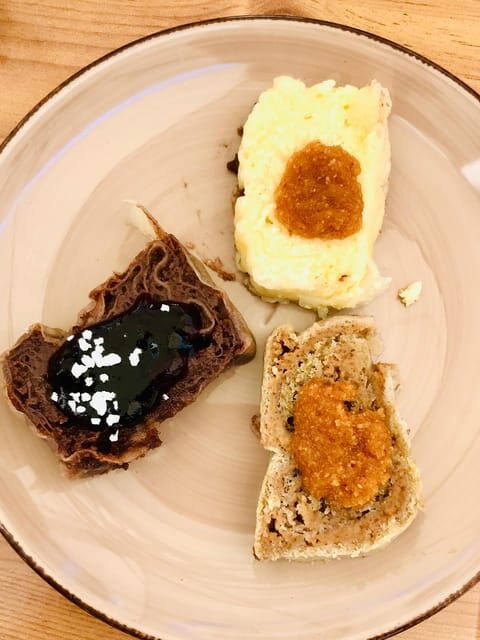
- What You’ll Actually Taste: Cheese, Meats, Soup, Seafood, and Walnut Pastry
- Flexibility That Feels Real: Alternatives and Quick Fixes
- Learning the City Through Food: Ljubljana Context Without the Lecture Tone
- Wine Bars and Beyond: Where to Go Next After the Tastings
- Price and Value: Is $104 Worth It?
- Who This Tour Suits Best (And Who Might Want a Different Plan)
- Practical Tips Before You Go
- Should You Book This Food and Wine Tour in Ljubljana?
- FAQ
- Where do we meet for the tour?
- How long is the food and wine tour?
- How many people are in the group?
- What language is the tour guide speaking?
- What’s included in the tasting experience?
- Is the tour wheelchair accessible?
Key Highlights You’ll Actually Feel
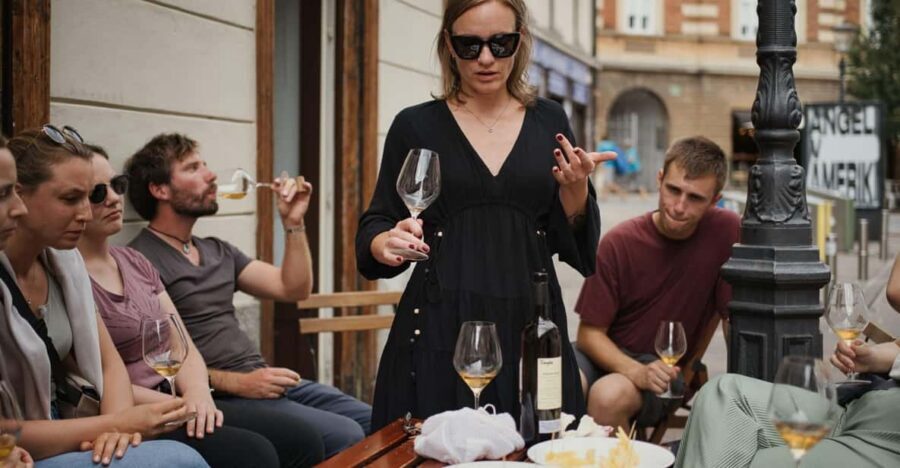
- Small-group tasting (max 10) means more questions, quicker adjustments, and less waiting around
- ASI Sommelier + WSET 3 style pairing explanations keep it clear for beginners and useful for wine nerds
- Market-first start at Vodnikov Trg sets the tone with local produce and specialties
- 4+ tasting spots, each paired with wine, makes the 3 hours feel full and varied
- Route includes multiple Slovenian regions so your palate gets a real tour of the country
Why This Ljubljana Food-and-Wine Tour Works in 3 Hours
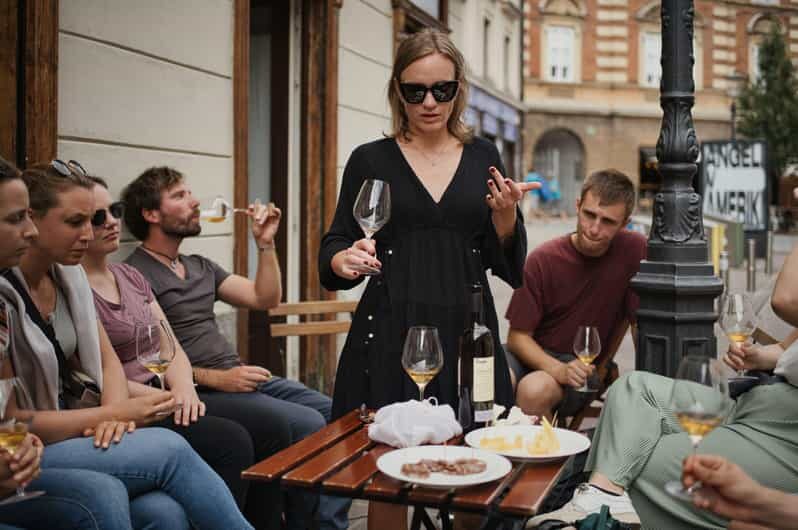
This is the kind of tour that makes sense even if you only have a few hours in Ljubljana. You get structure: multiple food stops, wine pairings at each one, and a guide who keeps the story tied to what you’re tasting, not what you’re theorizing.
The bigger value is the angle. This isn’t just a wine tasting with snacks. It’s food and wine as a way to understand Slovenia’s culture and day-to-day habits, with a sommelier guiding the pairing choices. And because the guide is Ljubljana-born and raises the context from local life, the whole thing feels like a guided night out, not a museum lesson.
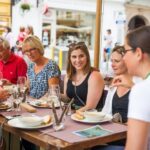
You also benefit from the small group size (limited to 10). That matters because wine questions can get specific fast. People ask about styles, grapes, producers, and why one pairing works better than another. In a bigger group, those answers get watered down. Here, you’re more likely to get direct, useful explanations.
You can also read our reviews of more food & drink experiences in Ljubljana


Meeting at Vodnikov Trg: Where the Tour Starts Tasting Slovenia
You’ll meet at Vodnikov Trg square, right at the statue of Valentin Vodnik. That’s not random. It’s close to the central market area, which is where local produce and specialties show up first, before they get simplified for tourists.
This matters because the market is a baseline. Once you’ve walked into that mindset, you can taste more accurately. You start noticing how ingredients drive Slovenian dishes: local meats, dairy, seasonal produce, and regional specialties that don’t feel like they were invented for a brochure.
And you get architecture and market atmosphere as part of the setting. The tour uses the Farmers Market area as the launchpad for everything that comes next, so your first taste isn’t just food. It’s context.
Ana’s Sommelier-Led Pairing Style: Clear for Beginners, Not Dumbed Down
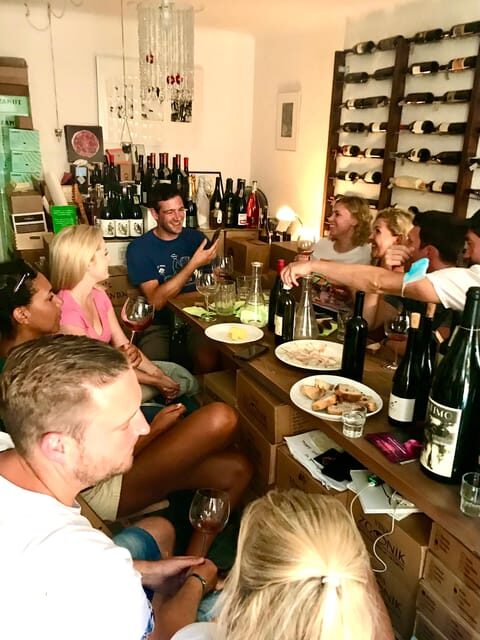
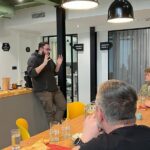
The guide is Ana Povše, and the tour is led with professional wine credentials: certified ASI Sommelier plus WSET 3. Translation: you’ll get pairing guidance that’s structured enough to help you learn, but not so technical that it stops being fun.
The tour promises an intro to food-and-wine pairing, and the way it’s described is exactly what you want on a short timeline. You’ll learn an approach to tasting and matching flavors, not just memorize grape names. The guide also spends special attention on Slovenian wine varieties, terroir, and winemaking traditions.
That’s a real advantage if you’re new to wine. Beginners often get stuck doing one of two things: sipping blindly or pretending they understand. This format pushes you toward simple logic—how acidity, sweetness, texture, and intensity interact with food—so you can follow along without needing to be a sommelier yourself.
If you’re a wine person, you’ll likely appreciate the focus on local varieties and the story behind them. The guide’s training background also means you can ask “why” and get an actual answer, not a shrug.
How the Route Feels: 4+ Stops, Each Teaching a Different Taste Logic
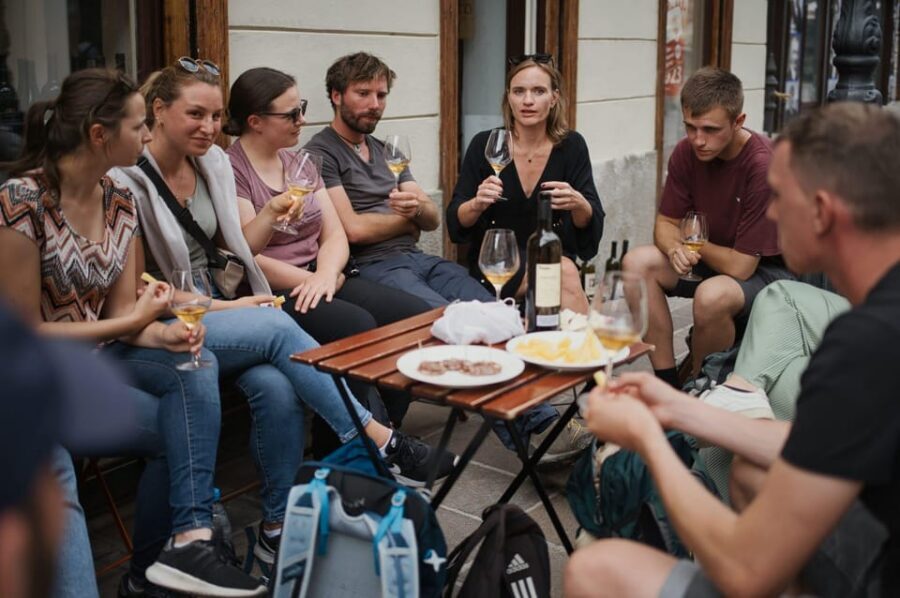
You’ll visit 4 or more different spots. At each stop, you taste local specialties and they’re paired with wine. That’s the core rhythm of the tour.
Here’s how that helps you as a visitor: one tasting alone can be fun, but it doesn’t teach you much. By repeating the pattern—food first, wine paired, explanation on the match—you start seeing themes. You learn what kinds of Slovenian flavors ask for what kinds of wine characteristics.
What’s especially useful is the mix of cuisines and ingredients mentioned in the experience description:
- locally produced cheese
- meat and traditional dishes
- a traditional soup
- seafood, with the reminder that Slovenia has 43 kilometers of coast
- sweets, including a walnut-filled pastry with protected geographical status
- and regional tastings across Slovenia’s different flavor traditions
Because the tour travels through multiple regional flavors, you also learn how Slovenian food isn’t one-note. Slovenia’s food identity shifts with landscape, customs, and even dialects. You’ll get an explanation of those wine and food regions as part of the tasting experience.
The Farmers Market Moment: Your Palate Gets a Starting Point
The tour meeting point isn’t the only market-related part. The Farmers Market is described as the place for local produce and specialties, and that’s exactly how it functions in real life too: you see and smell what locals are buying.
Starting there does two things:
- It grounds you in local ingredients and seasonal logic.
- It makes the later restaurant and specialty stops feel connected, instead of random.
If you like to understand a destination through everyday life, this approach is strong. Food is one of the fastest ways to “read” a culture, because the choices people make for dinner show you what they value—comfort, tradition, and what’s available.
A few more Ljubljana tours and experiences worth a look
Slovene Wine ABC: Regions, Terroir, and Local Varieties in Plain Language
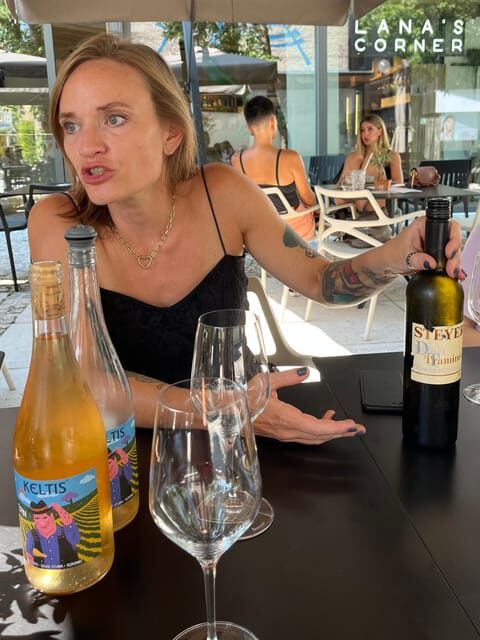
A big promise of this tour is an ABC on Slovenian wine: the regions, the logic behind pairing, and how winemaking traditions shape what you taste. On a 3-hour tour, the best guides don’t try to teach everything. They teach enough for you to keep learning after the tour.
Expect a guided explanation of how Slovenian wine regions differ in flavor direction and why. You’ll also hear about local varieties and the concept of terroir—where grapes grow and how that influences the wine style.
And yes, you should be comfortable being a beginner here. The tour explicitly welcomes both wine professionals and people new to wine. The guide can adjust the level so you don’t feel lost, and you don’t feel bored if you already know your way around a tasting glass.
What You’ll Actually Taste: Cheese, Meats, Soup, Seafood, and Walnut Pastry
This is a food-first tour, even if it’s wine-led.
You should expect multiple Slovenian specialties across sweet and savory categories. The experience description points to a range of things that cover a lot of tasting ground:
- cheese paired with wine (great for learning how texture and fat interact with acidity)
- delicious locally produced meat
- a traditional soup
- seafood, tied to Slovenia’s coastline
- and sweets, including a traditional walnut pastry with protected geographical status
One reason this range is valuable: it helps you learn pairing across different flavor structures. Soup teaches you how warmth and saltiness meet wine. Seafood brings a different challenge—often more delicate flavors that need wines that don’t overpower. Meat gives you a chance to test how tannins or body work with richer food.
If seafood isn’t your thing, that’s not a dealbreaker. In one case, the guide found a truffle alternative when seafood wasn’t a fit. That’s the kind of flexibility that keeps a tour from turning into a “take it or leave it” experience.
Flexibility That Feels Real: Alternatives and Quick Fixes
Food tours can be tricky when someone is vegetarian or doesn’t eat certain items. Here, the experience is set up to accommodate, and the guide’s responsiveness comes through in the feedback style you can expect.
You may skip one spot’s food during the route if your preferences require it, and the guide has shown an ability to find an alternative at the stop level. The truffle substitution for seafood is a great example of the practical side of the tour: the pairing still happens, and the experience doesn’t fall apart.
If you have dietary needs, you should message the operator in advance so the guide can plan. Even then, it’s smart to expect that a short 3-hour tasting schedule may require quick adjustments once you’re on the ground.
Learning the City Through Food: Ljubljana Context Without the Lecture Tone
This tour isn’t only about food and wine. It also includes a local’s perspective on Ljubljana and Slovenia—history and also recent changes. As you move between stops, you get explanations about cuisine culture and customs that are old but still alive.
That approach matters because it turns the tastings into a narrative. Instead of eating in isolation, you’re learning why certain dishes show up together, how Slovenian identity carries through food, and what local customs surround everyday eating.
You also get the chance to meet interesting locals along the way, which helps the experience feel less staged. Even if you’re short on time, the tour tries to create the sense that Ljubljana isn’t just monuments. It’s people, habits, and markets.
Wine Bars and Beyond: Where to Go Next After the Tastings
One of the best parts of good food tours is what they do for your after-plan. This experience doesn’t just hand you a ticket and disappear.
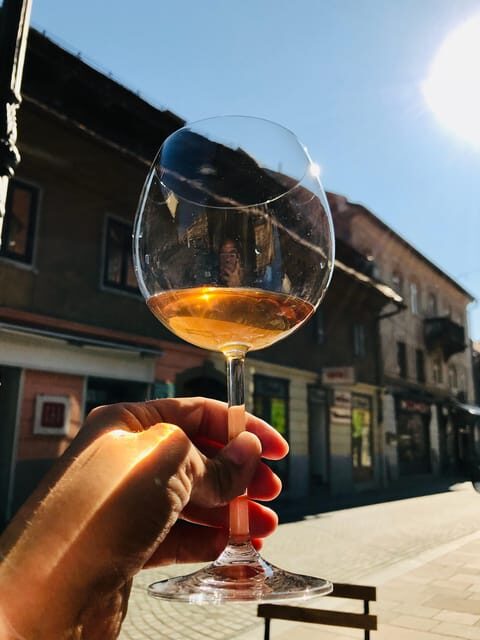
The guide provides recommendations for follow-up places like wine bars, cocktail bars, or a restaurant to eat. The feedback also mentions that if you have extra time at the end, you might have the option to continue with an additional tasting such as orange-colored wine at a nearby point outside the tour.
That’s a smart travel move: you learn what you like during the tour, then you can pick a place that matches your taste rather than randomly guessing.
Price and Value: Is $104 Worth It?
At $104 per person for 3 hours, you’re paying for three things:
- Multiple guided tastings across 4+ local spots
- Wine pairing expertise with professional credentials
- Local guidance that includes culture and regional explanations, not just pours
Wine tastings elsewhere often charge for the drinks alone. Food portions can add up too. Here, the price is tied to pairing and education across different bites, which is what makes it feel like value rather than just “paying for wine.”
The key question for you: do you want to learn how Slovenian wine and food connect, or do you just want to eat and drink casually? If you’re in the learning + tasting mood, the cost feels fair because it includes guided interpretation at each stop.
Who This Tour Suits Best (And Who Might Want a Different Plan)
This experience is a strong match if you:
- love food and wine and want both in the same outing
- want local spots only, not tourist traps
- enjoy learning through tastings rather than sitting in a classroom
- are either a total wine beginner or someone who knows enough to ask smart questions
- want a small-group vibe with room for conversation (max 10)
It might be less ideal if you:
- want a long, restaurant-style meal with time to linger
- dislike structured tasting schedules
- are looking for a single-theme tour (like only wine, or only a historical walk)
The short duration is the tradeoff. You get a lot of stops, but you don’t get an all-night crawl.
Practical Tips Before You Go
A few small things make the experience smoother:
- Eat a light breakfast or snack if you can. The tour includes multiple tasting spots, plus wine.
- If you have food preferences (vegetarian, no seafood, allergies), message the guide ahead of time.
- Bring a sense of curiosity. Slovenian wine isn’t as widely familiar as some European classics, so the tour works best when you let the guide lead.
- Pace yourself with the wine. The best part is the explanations, and those land better when you’re clear-headed.
Also, because the meeting point is central at Vodnikov Trg, you’ll be starting in an area designed for walking and local activity.
Should You Book This Food and Wine Tour in Ljubljana?
I’d book it if your goal is to taste Ljubljana like a local and learn Slovenian wine in a way you can use later in the city. The small group size, the sommelier-led pairing approach, and the market-first start all push this beyond a generic wine tour.
If you want a quick, high-quality introduction to Slovenian flavors across regions, with real guidance on what you’re eating and drinking, this is a good value at $104 for 3 hours. Just be honest with yourself about the format: it’s tasting-heavy, not sit-down heavy.
FAQ
Where do we meet for the tour?
You meet at Vodnikov Trg square, right at the statue of Valentin Vodnik, in the central market area.
How long is the food and wine tour?
The tour runs for 3 hours.
How many people are in the group?
It’s a small group, limited to 10 participants.
What language is the tour guide speaking?
The tour is guided in English.
What’s included in the tasting experience?
You’ll visit 4 or more tasting spots, with local specialties paired with wine. You’ll also get explanations about Slovenian food and wine regions and guidance on food-and-wine pairing approach.
Is the tour wheelchair accessible?
Yes, the tour is wheelchair accessible.