REVIEW · KOPER
From Koper: Half-Day Villages and Traditions Tour
Book on GetYourGuide →Operated by KoperTrips · Bookable on GetYourGuide
Hilltop frescoes beat a beach day. This half-day trip from Koper strings together Socerb Castle views and countryside villages with just enough food and legend to keep it fun. I like how the route mixes big landmarks with small details, like cave stories and layered village life, plus the tastings that help you understand what you’re seeing.
You’ll spend real time at the Church of the Holy Trinity in Hrastovlje, including its famous Dance of Death fresco and Glagolitic inscriptions. The only catch is physical: you’ll be walking on uneven ground at hilltop stops, so comfortable shoes matter, especially if the weather turns wet.
In This Review
- Key Highlights You’ll Care About
- From Koper Countryside to Socerb Castle Views
- Hrastovlje’s UNESCO Church: Frescoes, Glagolitic Inscriptions, and the Dance of Death
- The Drive to Marezige and the First Wine Fountain Connection
- Olive Oil Farm Tastings: Food, Wine, and a Rural Break
- Group Size, Timing, and How the 5 Hours Actually Works
- Price and Value: What $102 Buys You (and Why It’s Not Just Sightseeing)
- What to Bring and How to Prepare for Real Hilltop Walking
- Who This Tour Fits Best (and Who Should Skip It)
- Should You Book This Half-Day Villages and Traditions Tour?
- FAQ
- How long is the From Koper Half-Day Villages and Traditions Tour?
- Where does pickup happen?
- What are the main stops during the tour?
- Is there an English guide?
- What’s included for food and drink?
- What should I bring?
Key Highlights You’ll Care About
- Socerb Castle overlooking the Gulf of Trieste: medieval importance plus sweeping views
- Hrastovlje’s UNESCO Church of the Holy Trinity: frescoes and Glagolitic inscriptions
- The Dance of Death fresco: a standout for anyone who likes haunting art history
- Legends, including a cave and underground shrine: stories that connect places to people
- Marezige’s wine fountain connection: a quick stop that adds local flavor
- Olive oil farm tasting: food and drink included, not just sightseeing
From Koper Countryside to Socerb Castle Views
Starting in Koper (or the cruise passenger terminal), this is a straightforward 5-hour loop into Central Slovenia’s countryside—country roads, hilltop stops, and a pace that feels like you’ve escaped city life without burning a whole day. You’ll travel with a guide and driver, so you can focus on the scenery and the explanations rather than navigation.
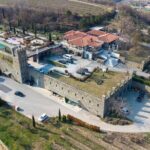
The first major stop is Socerb Castle, where the setting does half the work for you. You get that high, open feeling looking out across the Gulf of Trieste area, and it makes the castle make more sense than a photo ever will. In the Middle Ages, the site mattered because it helped people watch the surrounding land and coast. Your guide should frame it in practical terms—why this spot, why this height—so you’re not just collecting dates.
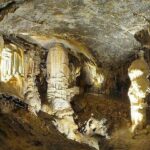
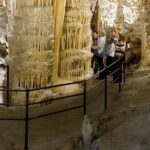
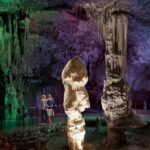
Even better, Socerb isn’t only about walls. You’ll also hear local legend tied to a cave and an underground shrine. That kind of storytelling helps you connect the geography to belief systems that shaped how communities lived. If you enjoy locations with a little mystery in their background, this start is a strong one.
Practical tip: wear shoes with grip. Castle areas and church steps aren’t usually made for slick soles, and you’ll want to move confidently for photos.
You can also read our reviews of more tours and experiences in Koper.



Hrastovlje’s UNESCO Church: Frescoes, Glagolitic Inscriptions, and the Dance of Death
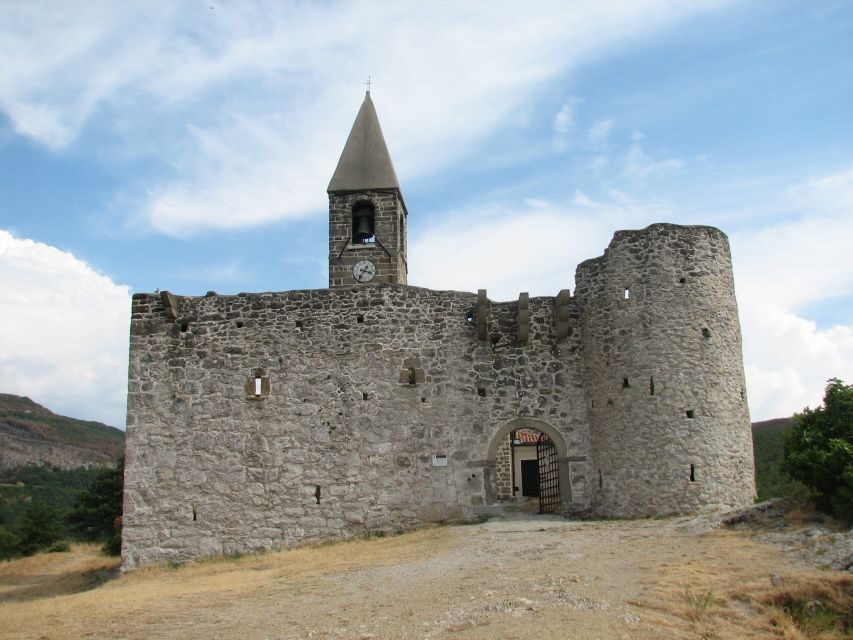
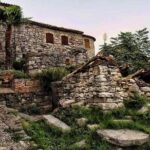
After Socerb, you drive to Hrastovlje, a Mediterranean-feeling village known best for the Church of the Holy Trinity—and yes, it’s a UNESCO World Heritage site. This is the part of the tour that most people end up remembering, because it’s art history you can stand in front of, not just read about.
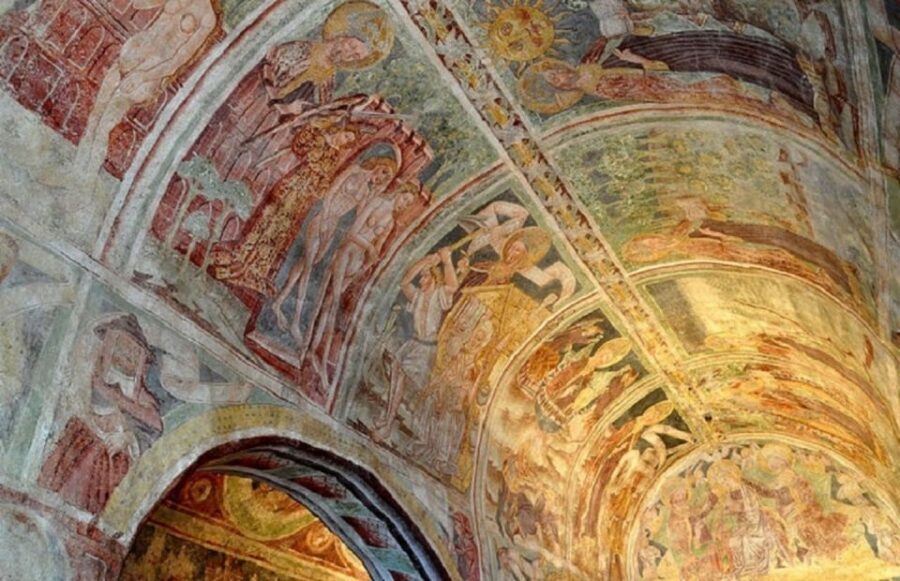
Plan on a careful look at the church’s intricate frescoes. These include Bible stories, but the real twist is that you’ll also see Glagolitic inscriptions, tying the place to older writing traditions. That combination—religious imagery plus the specific character of local inscriptions—makes the church feel like a cultural crossroads, not a generic historic building.
Then there’s the fresco everyone points to: the Dance of Death. Even if you don’t know the story behind it, the visual message hits fast. Your guide should explain what it represents, and why this kind of imagery mattered to communities in uncertain times. It’s also a great “stop and look slowly” moment, because it’s easy to rush a church visit and miss what makes this one special.
The tour also connects the church to people and time. You’ll hear how far its story reaches—extending back to the 13th century—and you may discuss the role of Janez of Kastav in painting the church. That credit matters. Knowing that named individuals shaped the work helps you see the frescoes as craftsmanship, not just anonymous decoration.
One more reason Hrastovlje works on a half-day tour: it’s concentrated. You’re not bouncing through ten towns. You’re getting a deep look at one truly distinctive place.
The Drive to Marezige and the First Wine Fountain Connection
From Hrastovlje, you head onward toward Marezige, another village stop that adds texture to the day. This isn’t usually the longest or biggest scene on the itinerary, but it has a clever talking point: it’s where the first wine fountain of Slovenia is located.
For me, stops like this are valuable because they shift the tour from “monuments” to “everyday heritage.” A wine fountain is practical and cultural at the same time. It also signals how deeply wine is woven into local identity here along the Adriatic hinterland.
What to expect at this moment of the tour is a quick look and a short explanation—just enough to give you a story you can carry later when you’re tasting wine and trying to name what you like. If you’re the type who enjoys small details with a reason, Marezige is worth your attention even if you only spend a little time there.
If you’re sensitive to timing, note that village viewpoints and quick stops can feel fast if the group is chatting. Bring your best photo eyes, but also leave space to listen.
Olive Oil Farm Tastings: Food, Wine, and a Rural Break
After the history and art stops, the tour leans into taste. You’ll visit a renowned olive oil farm, and this is where included meals stop feeling like an afterthought.
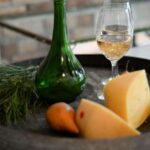
The tastings are part of what makes the $102 price feel reasonable. You’re not only paying for transport between sights; you’re paying for guided interpretation plus real, hands-on sampling of local products: olive oil, plus wine and food tastings. That combination matters because it links the landscape and agriculture to your senses. You get to understand the region with more than your eyes.
Olive oil tastings can sometimes be stiff or overly formal, but on this kind of countryside visit, you’re usually in good hands. Your guide should help you notice the difference between oils, what each sample pairs with, and how local food culture ties back to the villages you just visited.
This is also a useful pacing reset. After churches and castle viewpoints, it’s nice to sit, taste, and let your brain digest the day. Even if your schedule is tight, this stop is what turns the tour from a checklist into something you’ll actually remember when you buy products later.
Practical advice: pace yourself. Wine and tastings plus walking at hilltop stops can sneak up on you. If you’re sensitive to alcohol, you can still enjoy the olive oil and food side.
Group Size, Timing, and How the 5 Hours Actually Works
This is a 5-hour experience with pickup in Koper or the cruise passenger terminal, so it’s designed to feel like a half-day without feeling cramped. Realistically, you’ll switch gears several times—drive, castle, village walk/church time, a couple of stops, then tasting.
The pace is best for travelers who like structure but still want story. Your guide isn’t there just to escort you from A to B; they’re giving context for each site so you can make sense of what you’re seeing. That’s why guide quality can matter a lot. In the kinds of groups this tour attracts, you’ll often hear praise for guides like Dean for personality and storytelling, and Grega for lots of information and strong language skills.
If you prefer slow travel with long unbroken time in one place, you might find the schedule brisk. But if you’re practical—wanting a lot of meaning in a short window—this itinerary fits your style.
Weather is another real factor. The countryside around the Adriatic can bring sudden rain, and you should expect to adapt. Keep your jacket handy, and remember that a church stop still works even when the weather isn’t cooperating.
Price and Value: What $102 Buys You (and Why It’s Not Just Sightseeing)
At $102 per person for a 5-hour tour, the key value question is simple: do you get more than transportation? Here, you do.
You’re paying for:
- pickup and drop-off (Koper lodging or the cruise terminal)
- a guide and driver
- entrance fee for Hrastovlje
- included food, wine, and olive oil tastings
- insurance
That package matters because it adds up. A visit to a UNESCO site isn’t always cheap once entrance and guide time are included. Then you add tastings, which are the part many tours promise but don’t always deliver in a satisfying way. Here, the tasting experience is built into the day rather than tacked on.
So for me, $102 makes sense if you want a guided countryside day with tastings. If you’re the kind of traveler who only wants to walk and snap photos, without listening to stories or tasting local products, you might feel less value.
If you like learning, tasting, and getting a feel for Slovenian Istria beyond the city, the price becomes easier to justify.
What to Bring and How to Prepare for Real Hilltop Walking
This tour isn’t a hike, but it is countryside walking. Your best prep is simple.
Bring:
- comfortable shoes with grip
That’s the big one. Even short stops can involve uneven ground, stone steps, and a little standing for views. If you tend to wear stylish but slippery footwear, switch to something practical.
Also consider a light layer. The day moves from open castle viewpoints to shaded church interiors to a tasting setting, and conditions can shift with wind off the coast.
Who This Tour Fits Best (and Who Should Skip It)
This experience fits best if you want:
- guided art history and cultural storytelling in Hrastovlje
- a castle viewpoint that actually explains why the place mattered
- a food-forward stop with olive oil, wine, and tastings
- an easy half-day from Koper that doesn’t require planning a route
It may be less ideal if:
- you hate walking on uneven surfaces
- you want lots of free time at one location rather than a structured route
- you don’t enjoy tasting regional food and drink
If you’re traveling with a friend who loves photos but also cares about context, this tour is a good compromise. You’ll get the views and the stories in the same day.
Should You Book This Half-Day Villages and Traditions Tour?
Yes, I’d book it if your goal is a meaningful countryside taste of Slovenia from Koper. The combination of Socerb Castle for viewpoint and story, Hrastovlje’s UNESCO church for frescoes and Glagolitic inscriptions (plus the unforgettable Dance of Death), and an included olive oil farm tasting is a strong mix for the time.
I’d hesitate only if you’re extremely sensitive to steps or wet weather, or if you’re not interested in tasting anything beyond water. Otherwise, this is the kind of short tour that gives you enough context to recognize what you’re seeing later when you explore on your own.
FAQ
How long is the From Koper Half-Day Villages and Traditions Tour?
It lasts 5 hours.
Where does pickup happen?
Pickup is included from your accommodation in Koper or from the Cruise Passenger Terminal.
What are the main stops during the tour?
You’ll visit Socerb Castle, the village of Hrastovlje (for the Church of the Holy Trinity), and the village of Marezige, with a stop at a renowned olive oil farm for tastings.
Is there an English guide?
Yes. The live tour guide speaks English.
What’s included for food and drink?
The tour includes food, wine, and olive oil tastings.
What should I bring?
Bring comfortable shoes, since you’ll be walking at village and church sites.