REVIEW · KOPER
Sip & Step: A Flavorful Walk Through Koper’s History
Book on GetYourGuide →Operated by KoperTrips · Bookable on GetYourGuide
Koper’s old town has a story you can taste. This 3-hour walk strings together Venetian-era streets, Roman-era bones, and a port-city attitude, with stops that trade sightseeing for Istrian flavors.
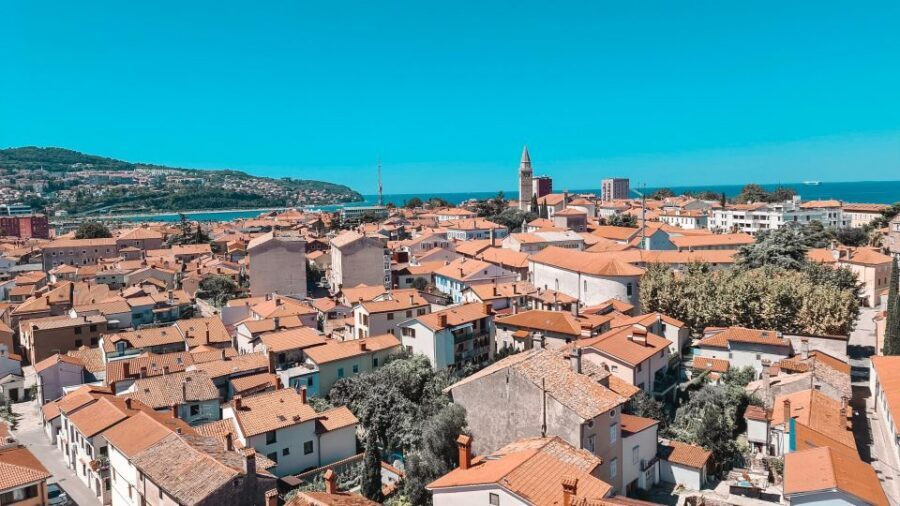
I especially like how the route feels built around real places, not just checkmarks. You get standout stops like Muda Gate, Prešeren Square, the De Ponte Fountain area, and Carpaccio Square, with an English guide who helps you connect the dots between old walls, Venetian influence, and the city’s maritime life.
One thing to consider: while the tour is listed as 3 hours, some departures run closer to 2, and the exact food tasting mix can vary. If you’re tight on time (like a cruise stop), I’d plan a little buffer.
In This Review
- Key things you’ll notice on this Sip & Step tour
- Why Koper’s old town feels Venetian on the Istrian coast
- Meeting at Koper’s cruise terminal and managing a walk that can run shorter
- Entering the walled story through Muda Gate
- Cobbler Street to Prešeren Square, plus the De Ponte Fountain moment
- Tito Square and the Cathedral of St. Mary of the Assumption
- Down Kidričeva ulica to the marina and Carpaccio Square
- Sip and savor: what you can expect from the tastings
- Price and value: is $55 a fair deal for 2–3 hours?
- Who this tour fits best (and who should choose differently)
- Should you book Sip & Step in Koper?
- FAQ
- How long is the Sip & Step tour in Koper?
- What does the tour cost?
- Where do I meet the guide?
- Is a live guide included, and is the tour in English?
- What’s included in the price?
- Is lunch included?
- Can I cancel for a refund?
- Is the tour wheelchair accessible?
- Is there a pay-later option?
Key things you’ll notice on this Sip & Step tour
- Muda Gate to Prešeren Square: a clean start that frames Koper’s walled-town story fast
- De Ponte Fountain + cobbled back streets: small moments that make the old town feel navigable
- Cathedral of St. Mary of the Assumption + Tito Square: religious and civic power in one walk
- Marina views on Kidričeva ulica: how the port shaped the city’s identity
- Carpaccio Square: the Venetian connection lands with a memorable endpoint
- Taste stops that may include wine, olive oil, and liqueurs like limoncello: expect local flavor, not necessarily a full lunch-style spread
Why Koper’s old town feels Venetian on the Istrian coast
Koper sits on the northern Istrian coast, but the feeling in the old town is strongly Venetian. The streets and preserved architecture reflect the influence of the Venetian Republic, layered over earlier Roman-era foundations, so you’re walking through several time periods without needing a museum ticket.
What makes this tour work is that the sightseeing isn’t separate from the food. Koper’s identity is practical: it’s a coastal town tied to its port and trade, and the tastings follow that logic—wine, olive oil, and liqueurs show up because they fit the region’s long relationship with merchants and seafaring.
If you like travel that’s part history and part “what do locals actually eat and drink,” you’ll feel right at home here. And since the walk is focused on the old town rather than long detours, you spend more time experiencing Koper and less time in transit.
You can also read our reviews of more tours and experiences in Koper.



Meeting at Koper’s cruise terminal and managing a walk that can run shorter
Your meeting point is the cruise passenger terminal in Koper, which is a big deal if you’re arriving by ship and want your shore time to be predictable. You’ll have a live English guide, and the tour is designed as a guided stroll, not a strenuous hike.
That said, timing is worth keeping in mind. One schedule ran later than expected while waiting for others, and another departure reportedly felt closer to 2 hours than the listed 3. So I’d mentally budget for a bit less sightseeing time than you might think, especially if you have a firm cruise re-boarding window.
What to do with that info: wear comfortable shoes and keep your phone charged. Even on a short route, old-town streets can be uneven, and you’ll want to pause to reorient yourself quickly—especially around squares like Prešeren Square.
Entering the walled story through Muda Gate
The walk starts where old Koper begins to feel real: with the historic Muda Gate. This isn’t just a dramatic entrance point—it’s a framing device. You’re essentially stepping into the former walled town, where the city’s architecture and street layout reflect centuries of defense, trade, and authority.
From there, the guide typically nudges you along the smaller street network, including what’s described as Cobbler Street. Those narrow lanes matter because they show how daily life once worked: people moved goods and people through compact routes, and the town center evolved around them.
If you’re the type who enjoys “why is this street shaped this way,” you’ll appreciate how the route links the physical layout to the historical story. If you’re more into big viewpoints and photo backdrops, you may find the magic more in the textures—cobbles, doorways, and square edges—than in dramatic scenery.
Cobbler Street to Prešeren Square, plus the De Ponte Fountain moment
Next comes the transition from narrow lanes to open space: Prešeren Square. Squares are where Venetian influence often becomes easiest to spot—open room, civic presence, and a sense of a planned public life.
The tour also includes the area around the De Ponte Fountain, which becomes a natural pause point. Fountains in this part of the world are rarely just decoration; they’re signals of city planning and daily routines in a place where water management mattered.
This segment is one of the best for “getting your bearings.” You start in the compact walled area, then you reach a recognizable open hub where you can orient yourself—so later, when the route starts heading toward the waterfront, it feels like a logical progression instead of a random wandering session.
Tito Square and the Cathedral of St. Mary of the Assumption
As you move through the old town, two anchor stops help explain why Koper looked (and still looks) the way it does: Tito Square and the Cathedral of St. Mary of the Assumption.
You’ll typically get context that connects civic and spiritual life—how religion and government coexisted in the town center, especially under longer periods of outside influence. A cathedral stop like this also tends to shift your perspective from streets-as-streets to streets-as-power structures.
One practical takeaway: if you want photos, this is where you should plan for them. Even if you only get short pauses, the cathedral area tends to give you better photo angles than the narrow lanes.

Down Kidričeva ulica to the marina and Carpaccio Square
Here’s where the tour starts to feel different—in a good way. When the route heads down Kidričeva ulica toward the marina area, you’re moving from the walled-town mindset into the port-city mindset.
The guide frames this as part of Koper’s evolution: once an isolated island surrounded by Adriatic waters, it developed into a coastal hub tied to maritime activity. That shift matters because it explains why the old town doesn’t feel purely “old”—it feels like it was built for movement, trade, and arrivals.
Then the walk culminates around Carpaccio Square, where the great Venetian master reportedly spent his final days. That endpoint gives the whole route a cultural punchline: the Venetian connection is not abstract. It has a name, a place, and an ending point you can remember.
If you’re hoping for lots of big waterfront views, you might get partial snapshots rather than a long scenic promenade. Still, the pacing makes sense: you’re not left staring at buildings you don’t understand—you’re hearing why the city changed as it grew.
Sip and savor: what you can expect from the tastings
The tastings are the “Sip & Step” part for a reason, and this is where the experience can hit hardest.
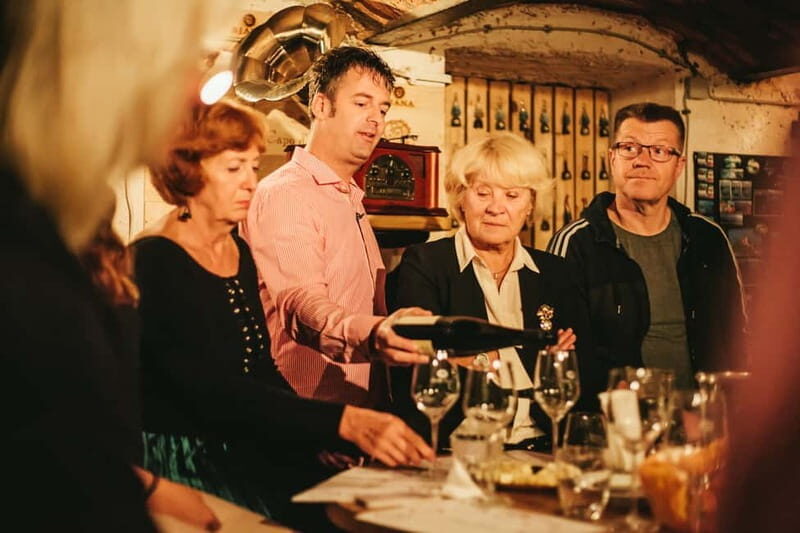
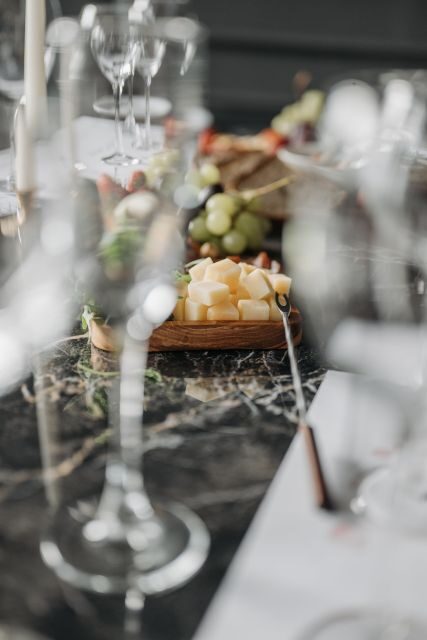
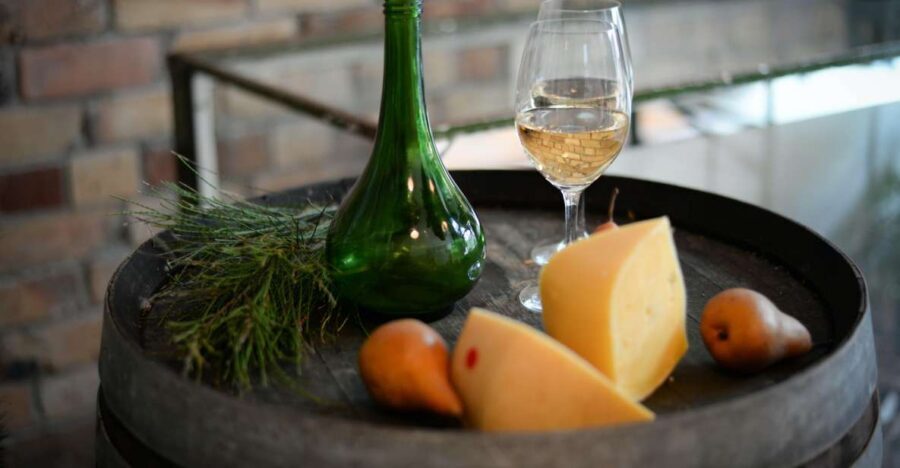
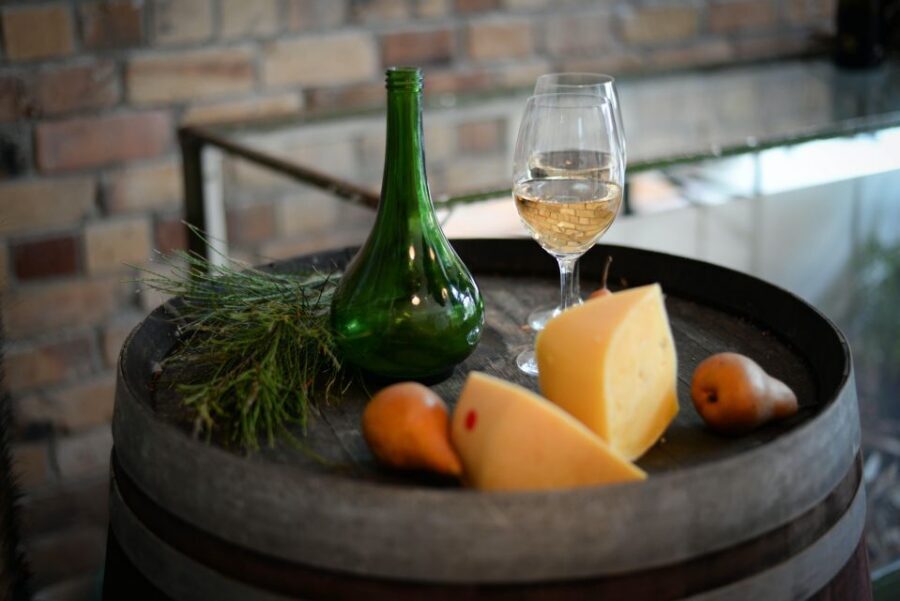
Included in the tour is a tasting of local delicacies, with a likely mix that can feature wine, olive oil, and liqueurs, plus items like salt, air-dried ham, and artisanal cheeses. The idea is to sample the flavors that match the region’s food culture, not just drink something sweet and move on.
There’s also a stop that, on some departures, includes a liquor merchant-style tasting of limoncello. And here’s the honest part: the tasting variety can differ. One departure reported wine and oil without cheese or meat, while another included more of a broader spread.
So how should you plan? If you love guided tastings and don’t need a full meal, you’ll likely be satisfied. If you’re coming hungry and expecting lunch-level food, don’t. The tour does not include lunch, and even with tastings, you may want to eat afterward.
My practical advice: take small bites and sip slowly. These tastings are meant to connect with what you’re seeing around you—old-town streets, port history, and Venetian influence. If you speed through, you’ll miss the point.
Price and value: is $55 a fair deal for 2–3 hours?
At $55 per person, the price sits in the “mid-range, but worth it if you care about both guide + tastings” category.
Here’s what you’re paying for, beyond the walking:
- a live English guide who ties streets and landmarks into one story (not just random facts)
- an included tasting of local products
- entry points that map cleanly onto the old-town layout, from gate to squares to waterfront
If you were to pay separately for a guide and one or two structured tastings, you’d usually spend more. That’s why the tour can feel like a bargain if you’re the type who likes context.
The downside is the time variability. When a departure runs closer to 2 hours, it can feel tighter—less time to linger at each square, and less buffer for photos. The tasting mix can also be narrower on some schedules, so if you have strong cravings for cheese-and-ham variety, keep expectations flexible.
Still, when the guide pacing is solid, the whole experience works. It’s not trying to be a long, heavy history lecture, and it’s not pretending tastings are a full meal.
Who this tour fits best (and who should choose differently)
This is a great fit if you:
- enjoy walking old towns with a guide who helps you connect architecture to story
- want food and drink samples from the Istrian region, not just a souvenir stop
- like Venetian-era details and want a route that hits the main cultural anchors
It may be less ideal if you want a slow, museum-style day or if you need a long, guaranteed time slot to wander on your own. Also, if you’re very sensitive to schedule changes, keep in mind that some departures have combined groups and altered the flow, which can reduce time in certain areas.
If you’re traveling with a cruise itinerary and want a structured shore activity that stays within Koper’s core, this tour’s meeting point makes it practical. But give yourself a cushion for the possibility of a later start.
Should you book Sip & Step in Koper?
I’d book this tour if you want the fastest way to understand Koper’s character: Venetian-influenced streets, old-town squares, and a port-town shift that shows up again and again in the landmarks. The best parts are the combination of short, well-chosen stops and included tasting moments that actually reflect local products.
Before you go, do one thing to protect your time: plan for a schedule that may land nearer 2 hours in practice than the full 3 hours on paper, especially if you’re on a cruise. Also, if you’re hoping for a very specific tasting lineup, keep expectations flexible and focus on the included tastings rather than assuming a full lunch spread.
If that sounds like your style—walk, learn, sip, and move on—then this is a smart, enjoyable way to spend a half-day in Koper.
FAQ
How long is the Sip & Step tour in Koper?
The tour duration is listed as 3 hours.
What does the tour cost?
The price is listed as $55 per person.
Where do I meet the guide?
Pickup is arranged at the cruise passenger terminal in Koper.
Is a live guide included, and is the tour in English?
Yes. The tour includes a live guide and the language is English.
What’s included in the price?
The price includes a tasting of local delicacies.
Is lunch included?
No, lunch is not included.
Can I cancel for a refund?
Yes. Free cancellation is available up to 24 hours in advance for a full refund.
Is the tour wheelchair accessible?
Yes, the tour is wheelchair accessible.
Is there a pay-later option?
Yes. You can reserve now and pay later.