REVIEW · KOPER
Private Mediterranean Fish Cooking Workshop with Irena
Book on Viator →Operated by An Unforgettable Day at the Fonda Fish Garden · Bookable on Viator
Seafood under pine trees beats most museum days. In Koper’s coastal zone, I love how this class digs into freshness checks and teaches a real seabass fillet you can repeat later, but it’s weather-dependent since the final feast is outdoors.
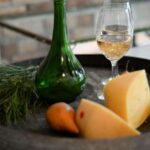
You’ll also like the truly hands-on flow: you start with a glass of local wine or chilled herb water, then cook your own Mediterranean dishes with all ingredients and cookware provided. It’s a private format, so you can shape the session around what you eat and what you want to get better at.
It’s priced at $199.55 per person for about 4 hours, and the value comes from more than a meal: you leave with recipes, technique, and the confidence to handle fish without second-guessing everything. Just remember, the sample menu includes raw fish preparations, so you should be comfortable learning those safety steps.
In This Review
- Key highlights you’ll feel right away
- Fonda Fish Garden and Irena’s fish-first way of teaching
- The fish skills that translate to your kitchen
- What you’ll cook: Mediterranean plates, not just one dish
- The Mediterranean stops that connect food to place
- Piran
- Secovlje Salina Nature Park
- Thalasso Spa Lepa Vida
- Piran Town Walls
- Aquarium Piran
- Raw fish safety: how the class removes fear
- Pricing and value: what $199.55 really covers
- Who this is best for (and who should think twice)
- Should you book the private fish workshop with Irena?
- FAQ
- How long is the cooking workshop?
- Where do you meet, and where does it end?
- Is this a private experience?
- What language is the workshop offered in?
- What’s included in the price?
- Are alcoholic drinks included?
- What kinds of dishes will you prepare?
- What happens if the weather is bad?
Key highlights you’ll feel right away
- Private instruction with Irena at Fonda Fish Garden, not a crowded demo
- Freshness, cleaning, and filleting skills focused on seabass
- Raw fish handling taught safely, including sashimi-style prep
- A full Mediterranean lineup, from fish soup to seabass ala Fonda
- Salt-and-sea context during the day, with Piran and Secovlje Salina Nature Park stops
- Final feast under pine trees with dessert to close the meal
Fonda Fish Garden and Irena’s fish-first way of teaching
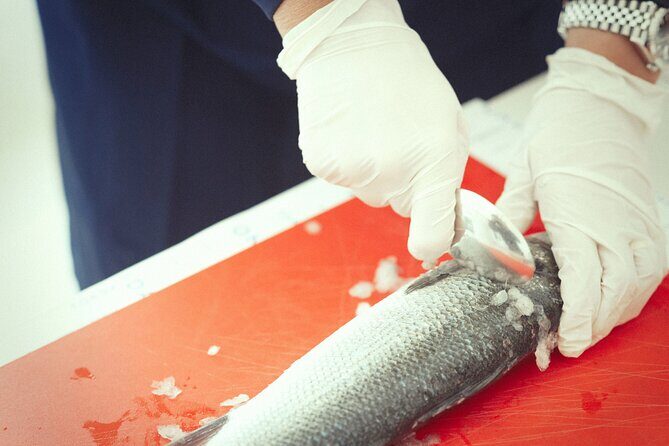
This experience centers on Fonda Fish Garden in the Portorož–Piran stretch of Slovenia’s Adriatic coast. The setting matters. You get out of the classroom feeling and into a working, sea-focused atmosphere where the day is about food you can understand, not just food you consume.
Irena runs the workshop. She isn’t only a passionate cook; she’s also a molecular biologist, which fits the theme here: science, safety, and practical technique. That combo shows up in the way she explains what’s happening and why, especially around freshness and safe preparation for raw dishes.
What I like most is the emphasis on sustainable seafood choices. The whole approach feels like it’s aiming to change how you think about the ocean. It’s not preachy. It’s practical: learn to respect the produce you’re using and handle it in a way that keeps quality high.
You can also read our reviews of more private tours in Koper
The fish skills that translate to your kitchen
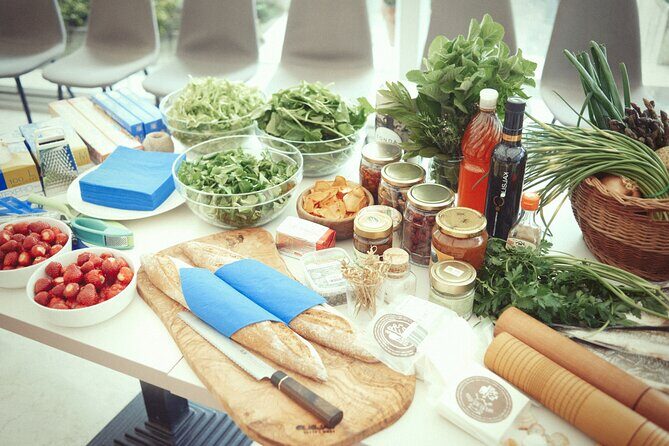
This class isn’t about memorizing recipes and calling it cooking. You’re taught the “how,” especially with fish that can intimidate people who don’t cook seafood often.
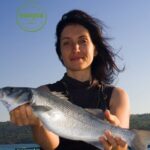
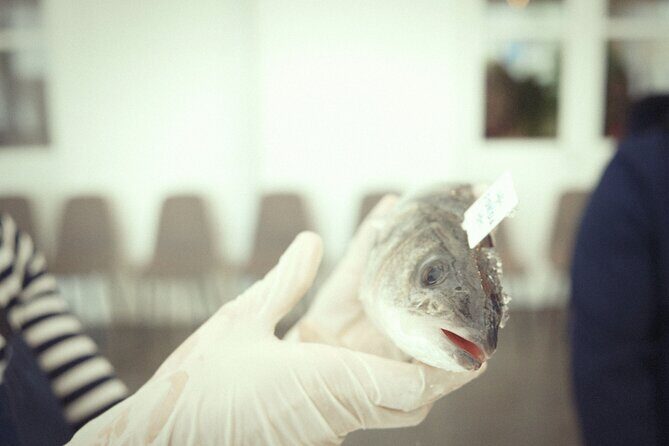
You’ll cover the tricky part first: how to tell if a fish is fresh. That one skill is worth its weight in gold because so many fish dinners fall apart before the pan even heats up. You’ll also learn fish cleaning and filleting, with seabass as the key example.
The workshop also focuses on storage and handling. You’ll learn how best to freeze and store fish so it stays usable later, and you’ll get other essentials that make fish cooking less stressful. If you’ve ever bought fish and felt nervous about wasting it, this is the section that helps you stop living on guesswork.
And then there’s raw seafood. The format includes instruction on how to safely prepare raw fish dishes. You’re not just being told to try something. You’re being guided through the handling mindset that makes raw preparations more manageable.
What you’ll cook: Mediterranean plates, not just one dish
Your cooking time builds a meal with multiple parts, and the sample menu is built for learning. You start with a fish soup, which is a great warm-up because it teaches flavor building without relying on perfect knife work.
Then you move into raw preparations, with options like:
- Sashimi, carpaccio, and fish tartar
- Smoked seabass as an appetizer
From there, you shift into cooked seafood. Mussels may be included when they’re in season, or you’ll make a seafood pasta depending on what’s available. Either way, you’ll get practice with seafood beyond just seabass.
The main dish is seabass ala Fonda, and it’s paired with a seasonal dessert at the end. This matters for value: you’re not leaving after one small tasting. You’re actually working through a full Mediterranean meal arc, from starter to main to sweet finish.
One practical note: bottled water isn’t included in plastic. Instead, you get high-quality fresh water by glass (with or without herbs), and it’s unlimited. That’s a small detail, but it fits the sustainability-minded vibe of the day.
The Mediterranean stops that connect food to place
The day is shaped around the coast, salt landscapes, and sea-centered sights. These stops aren’t random sightseeing add-ons. They help you understand why the food tastes the way it does and why this region’s seafood culture is so tied to the sea.
Here’s how the sequence works in a way you’ll likely feel during the day:
Piran
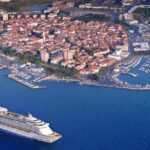
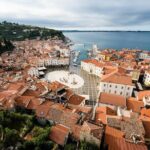
Piran is the coastal base vibe you’ll recognize immediately: old-town energy and sea air. When food is the focus, towns like this add a sense of arrival. You’re not just consuming the coast; you’re walking in it.
You can also read our reviews of more cooking classes in Koper
Secovlje Salina Nature Park
This is the salt landscape stop, and it’s a strong match for a fish-focused day. Salt works like an environmental “switch” for coastal life, and you’ll get a nature-based perspective on how sea resources shape ecosystems. Even if you’re not a science person, the visual of salt pans and coastal water channels makes the connection feel obvious.
Thalasso Spa Lepa Vida
Thalasso spa points straight back to the sea’s role in wellness and local tradition. It’s a reminder that in this region, the ocean isn’t only for fishing or cooking. It’s part of daily life.
Piran Town Walls
The town walls give you a different way to read Piran. Higher views help you place the coastline, water, and town layout in your head. For me, this kind of viewpoint makes a food day easier to remember because it turns everything into a map.
Aquarium Piran
An aquarium stop also fits the theme. It’s a straightforward way to see species and learn the basics of what you’re cooking and why it matters. Even if you skip details on the signage, it supports the workshop’s fish-first teaching.
Raw fish safety: how the class removes fear
If raw fish makes you nervous, you’re not alone. Raw seafood is one of those topics where people either think it’s too risky or they copy-paste a recipe without understanding handling.
Here, the workshop is built around safe raw fish preparation. You learn how to handle raw fish with care and how to approach it with the right checks—starting with freshness and storage. This is where Irena’s science background adds a tone shift. The class feels less like a dare and more like a method.
What you’ll likely walk away with is a better sense of control. Not everyone wants to eat sashimi every week after this, but the bigger win is confidence. You’ll know what questions to ask before you buy fish, and what to do once you get it home.
Pricing and value: what $199.55 really covers
At $199.55 per person for roughly 4 hours, this isn’t a cheap “watch and eat” experience. It’s closer to paying for a private lesson that results in a full meal and real technique.
Here’s what’s included:
- All ingredients, utensils, and recipes
- A welcome drink (local wine or chilled herb water)
- Chilled water with or without herbs by glass, unlimited
- Lunch or dinner depending on when you start
- The cooking class with Irena, in English
- A private setup for only your group
What’s not included:
- Alcoholic beverages beyond the welcome wine (white wine is available to buy)
- Optional Mediterranean caviar/bottarga tasting on request for 10 EUR per person
- Additional snacks beyond what’s part of the meal
When you think about value this way, the price starts to make sense. You’re not only paying for food. You’re paying for someone guiding you through freshness, cleaning, filleting, and raw fish handling, plus giving you the recipes and the cookware you need to make it again.
If you’re coming as a couple or small group, the private format is where you get your money’s worth. It means more attention, fewer awkward pauses, and more chances to ask questions while your hands are already working.
Who this is best for (and who should think twice)
This workshop is a good fit if you:
- Want to learn fish technique you can repeat at home
- Like structured cooking with a teacher who explains the why
- Are curious about Mediterranean seafood beyond one simple dish
- Prefer small-group or private instruction over a public cooking show
It may not be the best fit if you strongly dislike fish, or if you only want cooked dishes and don’t want raw preparation steps. The menu includes sashimi, carpaccio, and fish tartar, so it’s worth aligning expectations up front.
Also, because the experience requires good weather, plan for the day to be affected by conditions. If outdoor dining is part of the plan and weather turns, you’ll want flexibility in your schedule.
Should you book the private fish workshop with Irena?
I think you should book it if you want a practical, confidence-building seafood lesson in a real coastal setting. The combination of hands-on seabass technique, safe raw fish instruction, and a full Mediterranean meal makes this more than a one-time meal ticket. It’s also one of those experiences where the quality feels intentional, not accidental.
Book it sooner rather than later if you care about having Irena guide your specific questions. The workshop is private, it’s offered in English, and you’ll get recipes you can actually use later.
If you’re someone who’s always eaten fish but never cooked it, this is the kind of day that flips the switch. You’ll leave knowing what to look for, how to prepare it, and how to plate it without fear.
FAQ
How long is the cooking workshop?
The workshop runs for about 4 hours.
Where do you meet, and where does it end?
You start at Seča 142, 6320 Portorož, Slovenia. The activity ends back at the meeting point.
Is this a private experience?
Yes. It’s a private tour/activity, and only your group participates.
What language is the workshop offered in?
The workshop is offered in English.
What’s included in the price?
The price includes the cooking class, lunch/dinner (depending on when you start), chilled water (with or without herbs), and all ingredients, utensils, and recipes.
Are alcoholic drinks included?
You get a glass of local wine as part of the welcome drink, but alcoholic beverages beyond that are available to buy.
What kinds of dishes will you prepare?
The sample menu includes fish soup, raw fish dishes such as sashimi/carpaccio/tartar, smoked seabass as an appetizer, and seabass ala Fonda. Mussels are included when in season, with pasta as a seasonal alternative.
What happens if the weather is bad?
The experience requires good weather. If it’s cancelled due to poor weather, you’ll be offered a different date or a full refund.